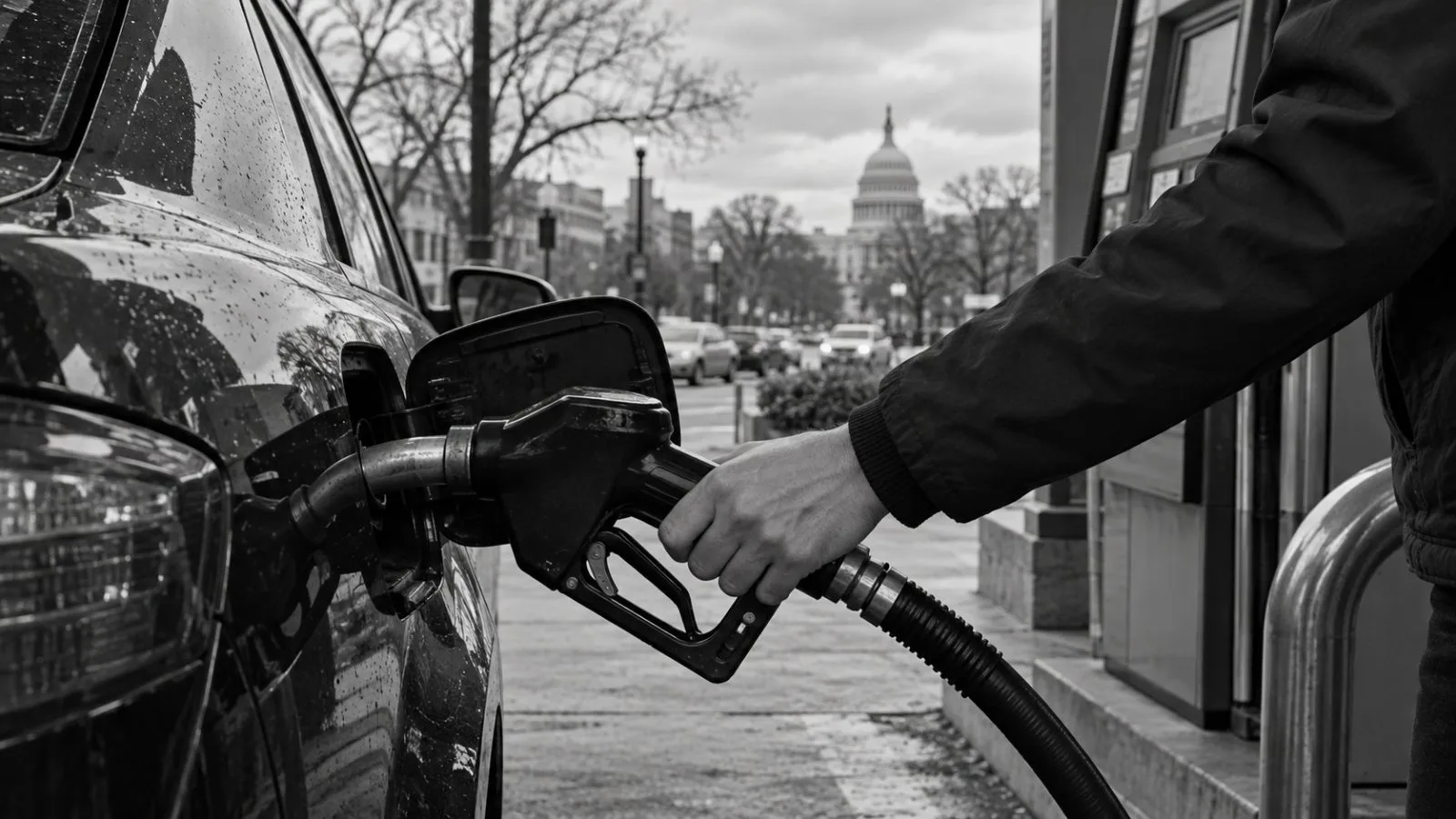
U.S. inflation accelerated in September as gasoline prices climbed, while research from the Federal Reserve Bank of New York points to a separate tariff-related pressure on consumer-goods costs.
The Consumer Price Index (CPI), reported by the Bureau of Labor Statistics (BLS), rose 0.6% from August on a seasonally adjusted basis and 3.7% over 12 months, up from 3.4% in August. Gasoline prices increased 9.1% during the month, and the gasoline index was 34.2% higher than a year earlier. Food at home fell 0.1% for the month and rose 1.8% over the year.
The Bureau of Economic Analysis (BEA) reported that its personal consumption expenditures (PCE) price index advanced 0.5% in September and 3.6% from a year earlier. Excluding food and energy, the index rose 0.3% for the month and 3.1% over 12 months. Neither release calculated tariffs’ contribution to overall inflation; the BLS said gasoline contributed more than half of September’s monthly CPI increase.
In the New York Fed researchers’ model, a one-point rise in the average tariff rate corresponds to an estimated 0.25% increase in consumer-goods prices after 12 months. The researchers found that most tariff costs passed through to U.S. import prices. The researchers said higher costs for imported inputs can feed into retail prices through U.S. producers.
The tariff framework has changed since the Supreme Court ruled Feb. 20 that the International Emergency Economic Powers Act (IEEPA) did not authorize the challenged tariffs. On July 23, the Office of the U.S. Trade Representative (USTR) announced Section 301 duties of 10% or 12.5% on imports from 60 economies, subject to product exemptions. The White House says its tariff policy is intended to protect U.S. workers, address trade imbalances and encourage domestic manufacturing.
In a Friday opinion column, Guardian columnist Steven Greenhouse questioned whether the tariff program aligns with President Donald Trump’s promise to lower prices. At an Aug. 15, 2024, press conference, Trump, then the Republican presidential candidate, said, “When I win, I will immediately bring prices down.”
The next BLS CPI report, covering October, is scheduled for Nov. 10 at 8:30 a.m. ET. The BEA’s October PCE report is scheduled for Nov. 25 at 8:30 a.m. EST.