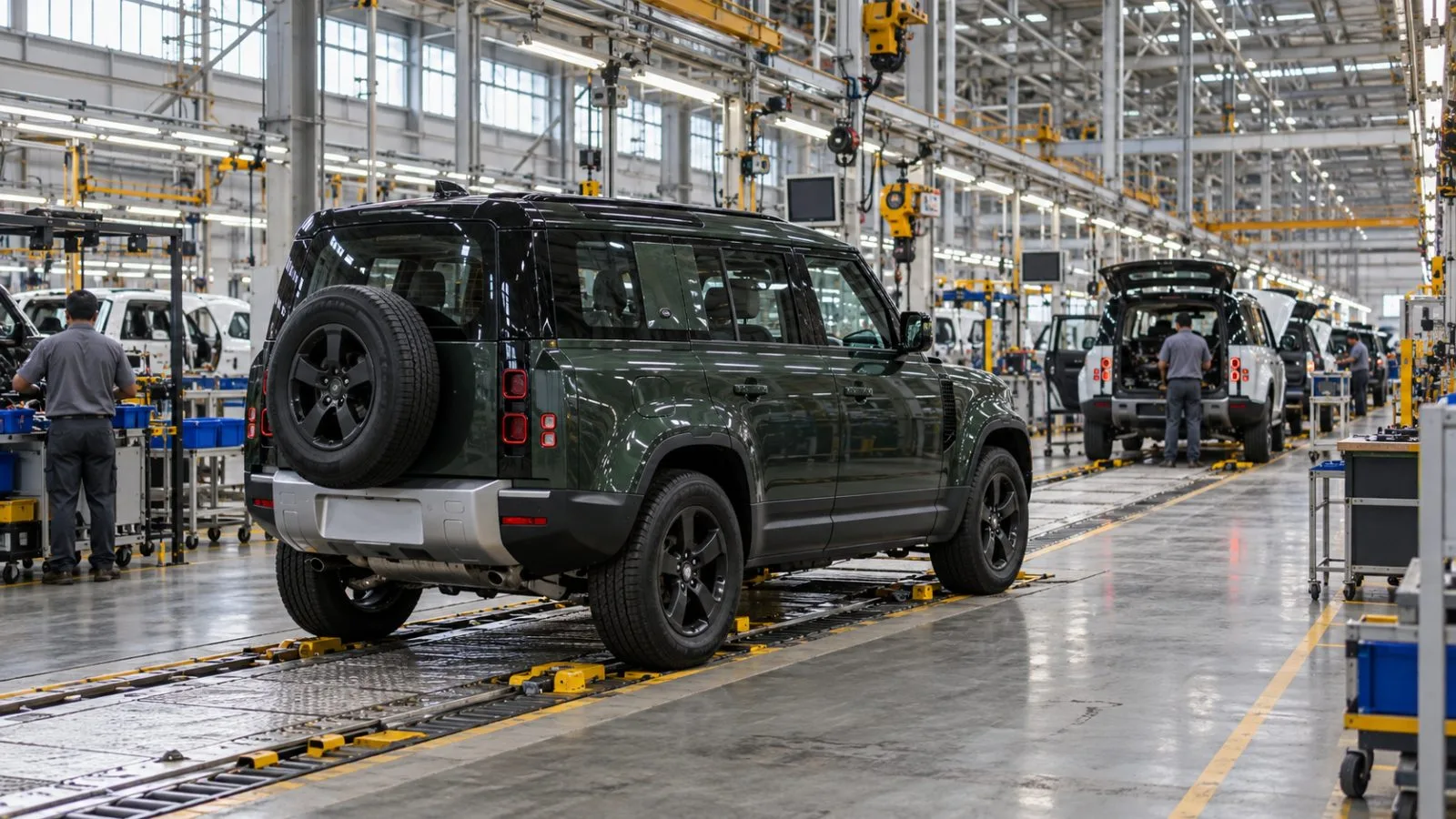
Maruti Suzuki India Limited’s standalone net profit fell 26.9% year over year to ₹24.149 billion in the July-September quarter, as higher operating costs and lower non-operating income offset record vehicle sales. The board approved the results Oct. 27 for the second quarter of fiscal 2026-27.
That date was listed in EconoTimes’ roundup of Indian companies’ Q2 board reviews. Maruti said sales volume increased 26.5% to 696,654 vehicles, its highest quarterly total. Net sales were ₹506.155 billion, compared with ₹401.358 billion a year earlier.
Operating profit, or earnings before interest and taxes, was ₹28.037 billion, down from ₹33.820 billion in the year-ago quarter. Maruti linked the decline to commodity increases associated with the West Asia conflict. It also said mark-to-market losses on invested surplus drove a sharp drop in non-operating income.
Small-car sales grew 35.9%, while SUV sales rose 68.2%, the company reported. Its share of the domestic market increased by 2.2 percentage points to 40.8%. Maruti said demand remained ahead of supply after recent capacity additions.
Executives offered different assessments of rural demand. Mint reported that Partho Banerjee, senior executive officer for marketing and sales, saw a risk of rural-market strain in Rajasthan, Madhya Pradesh and Karnataka after deficient rains. Banerjee also said the company had not seen an effect during the festive season.
In a separate earnings call, Rahul Bharti, Maruti’s chief investor relations officer and senior executive officer for corporate affairs, said the company was not seeing rural demand weaken, according to an Investing.com transcript. The comments differed: Banerjee raised a possible weather-related risk, while Bharti described the demand trend the company was seeing.
At the end of the quarter, Maruti reported about 17 days of network inventory and roughly 200,000 pending bookings.