Mercedes-Benz and Volkswagen are demanding lower costs at German factories, with investment and pay measures in play as weak capacity use and Chinese competition squeeze the country’s auto industry.
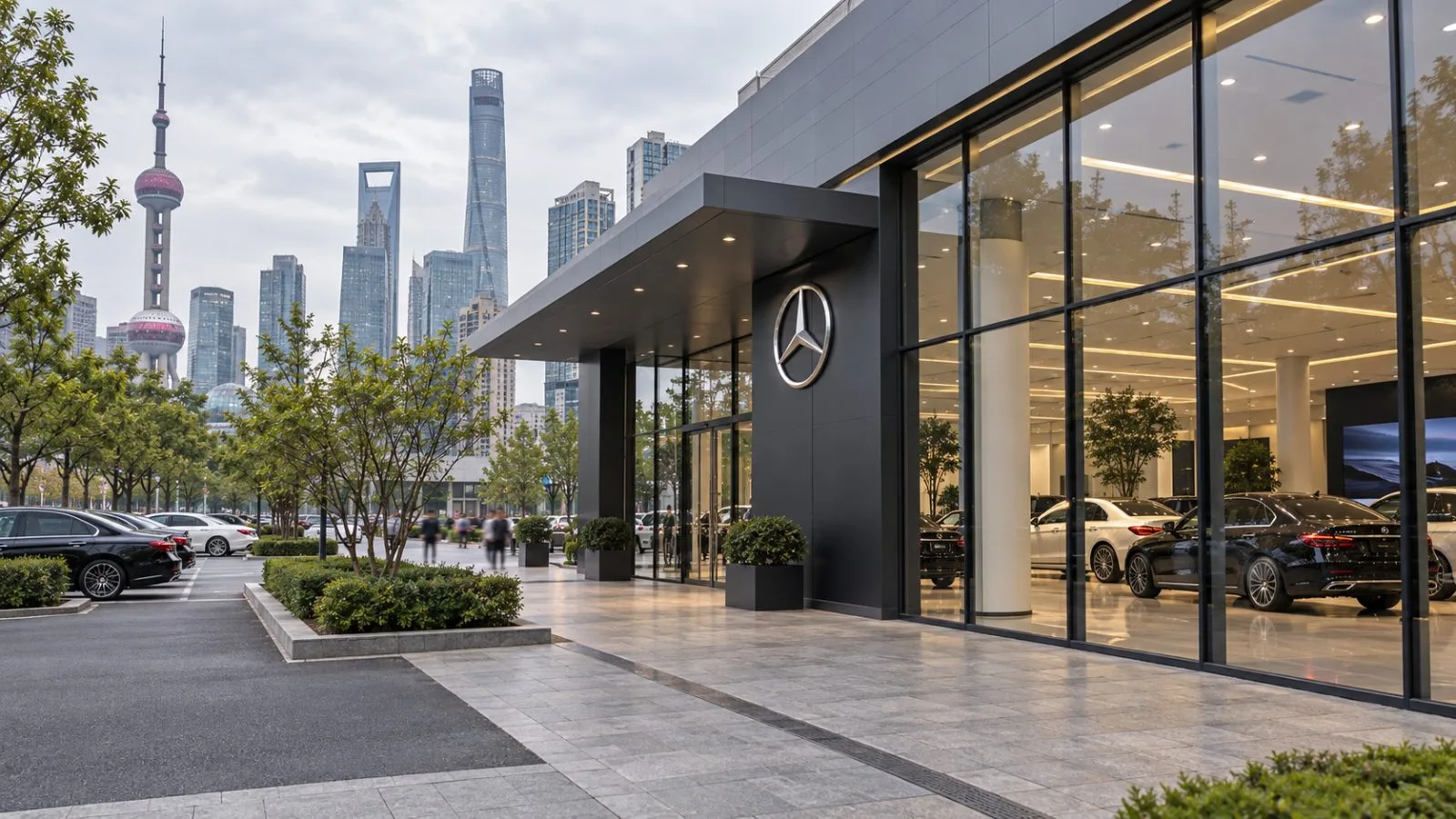
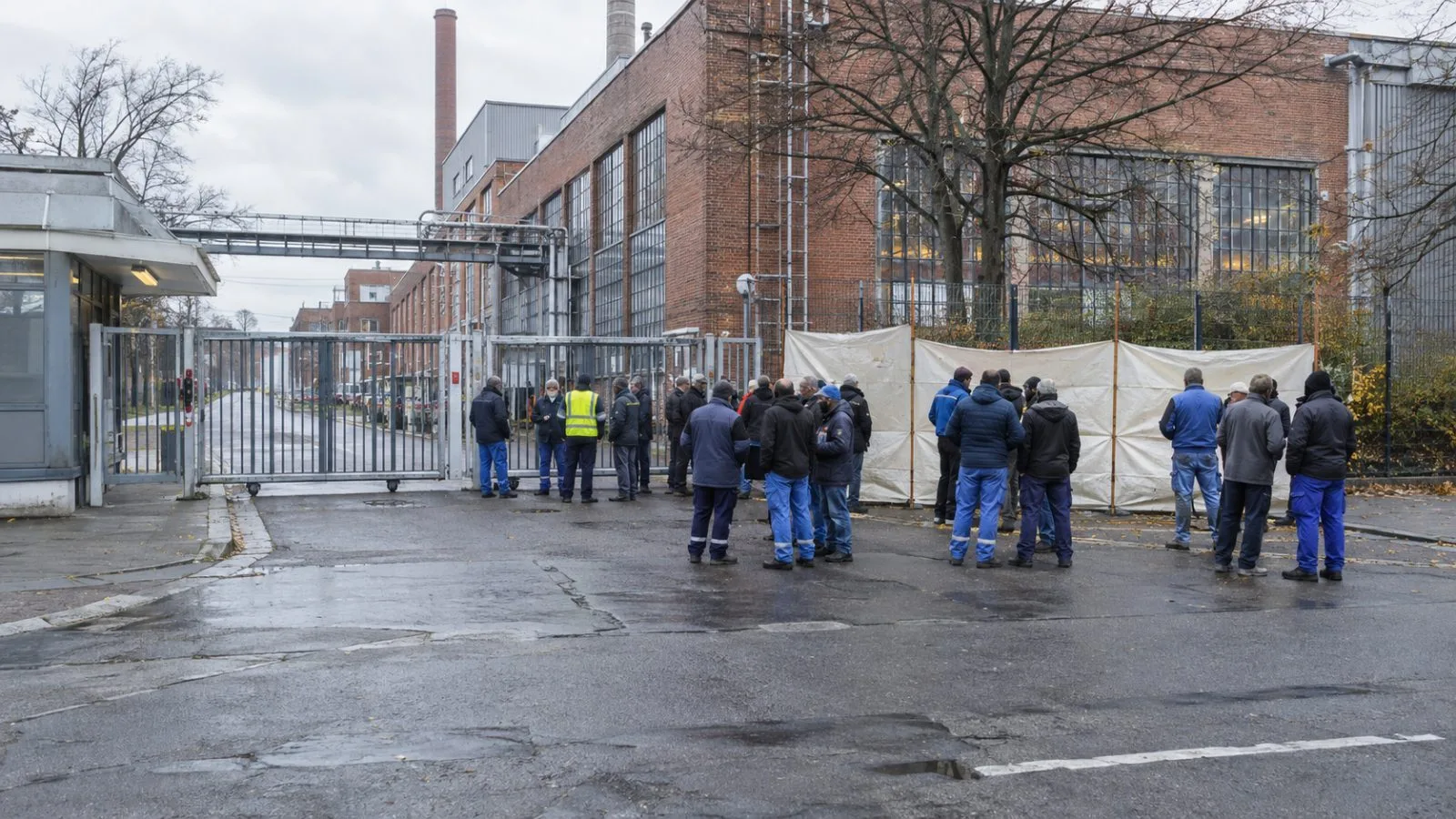
Mercedes production chief Michael Schiebe said in an internal company interview cited by Deutsche Welle that the board had decided to halt “all further investments” at German locations. He said the company was assessing which sites it could afford to keep if costs do not improve, with closures a possible outcome.
Mercedes said the freeze is connected to labor-cost negotiations, including discussion of ending the 35-hour workweek, according to the interview reported by DW. The company has not confirmed the closure of any specific German plant.
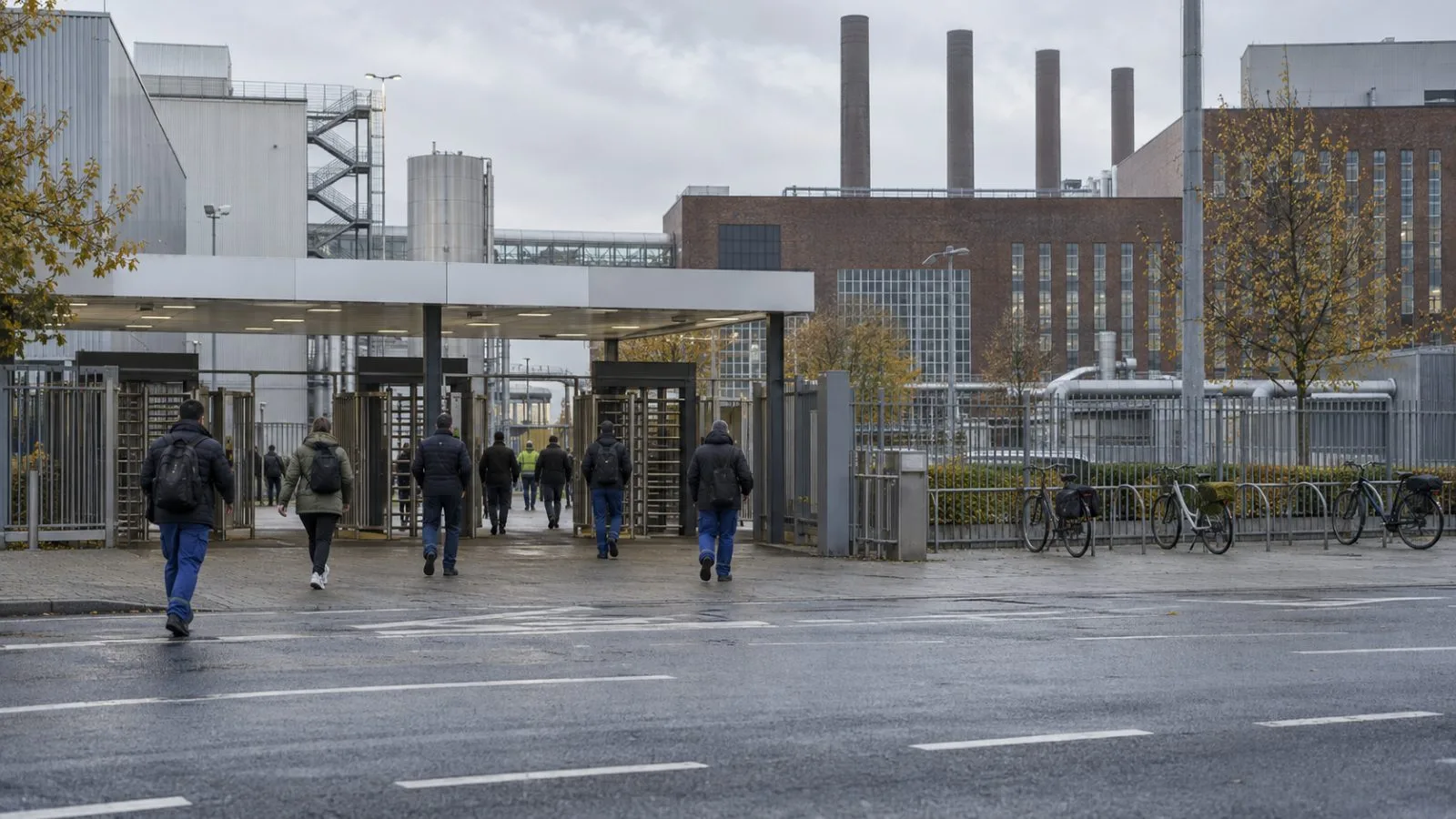
Volkswagen said Nov. 19 that it had submitted proposals to the IG Metall union ahead of talks beginning Nov. 24 in Emden. The package seeks pay freezes in 2027 and 2028, removal of some collectively agreed special payments and greater flexibility in working hours. Volkswagen said its “Future Plan 2030” contains 12 initiatives covering its vehicle lineup and new growth areas.
Roland Berger identified low utilization and higher manufacturing expenses as disadvantages for Germany. German plants operated at about 60% capacity in 2025, compared with the 75%–80% range the consultancy considers necessary for profitable operations. Production costs were €3,500–€5,000 per vehicle in Germany, versus €2,000–€2,500 at a European best-cost location.
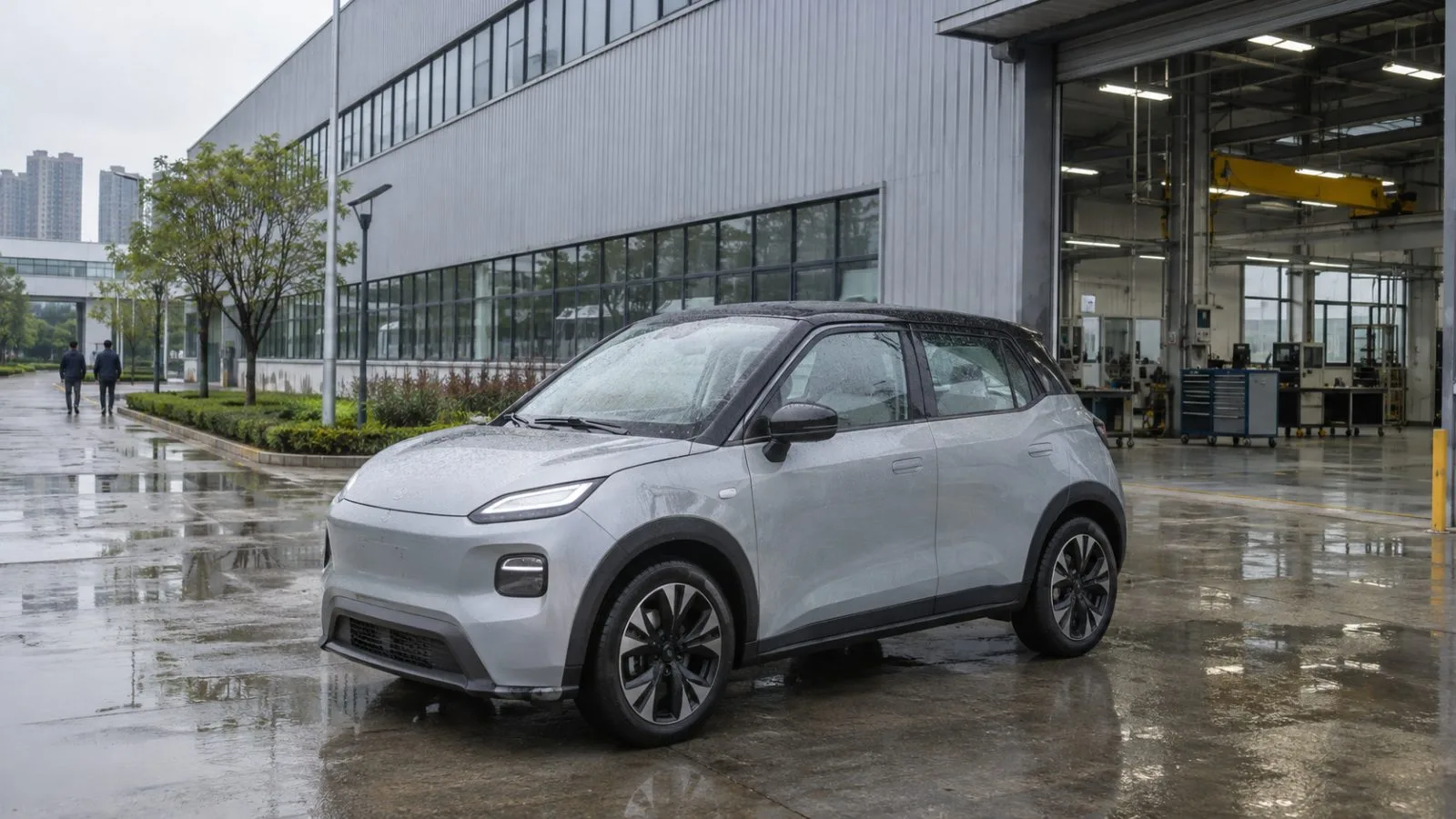
The consultancy estimates German automakers need 48–60 months to develop a vehicle, while Chinese new-energy vehicle makers take 18–24 months. It projects that Germany’s automotive workforce will fall by at least 200,000 jobs by 2030, from about 692,000 in 2025 to roughly 490,000, and that vehicle plants could decline from 20 in 2025 to fewer than 15 by 2030–35.
The German Association of the Automotive Industry (VDA) forecasts domestic passenger-car production of 4.11 million vehicles in 2026, a 1% decline from the previous year. Roland Berger said German automakers’ share of China’s passenger-car market dropped from 21% in 2018 to 14% in 2025, while Chinese brands’ share of European registrations rose from 0.1% to 5.2% and could reach 12.1% by 2030.
“Germany can retain a profitable automotive core – but it will be significantly smaller than today,” Roland Berger senior partner Felix Mogge said.
DW reported that Mercedes’ investment halt could be reversed if management and employee representatives reach a cost agreement. Volkswagen’s bargaining with IG Metall is scheduled to begin Nov. 24. The moves follow Mercedes-Benz’s weaker China sales and reduced 2026 earnings outlook, as EconoTimes reported.