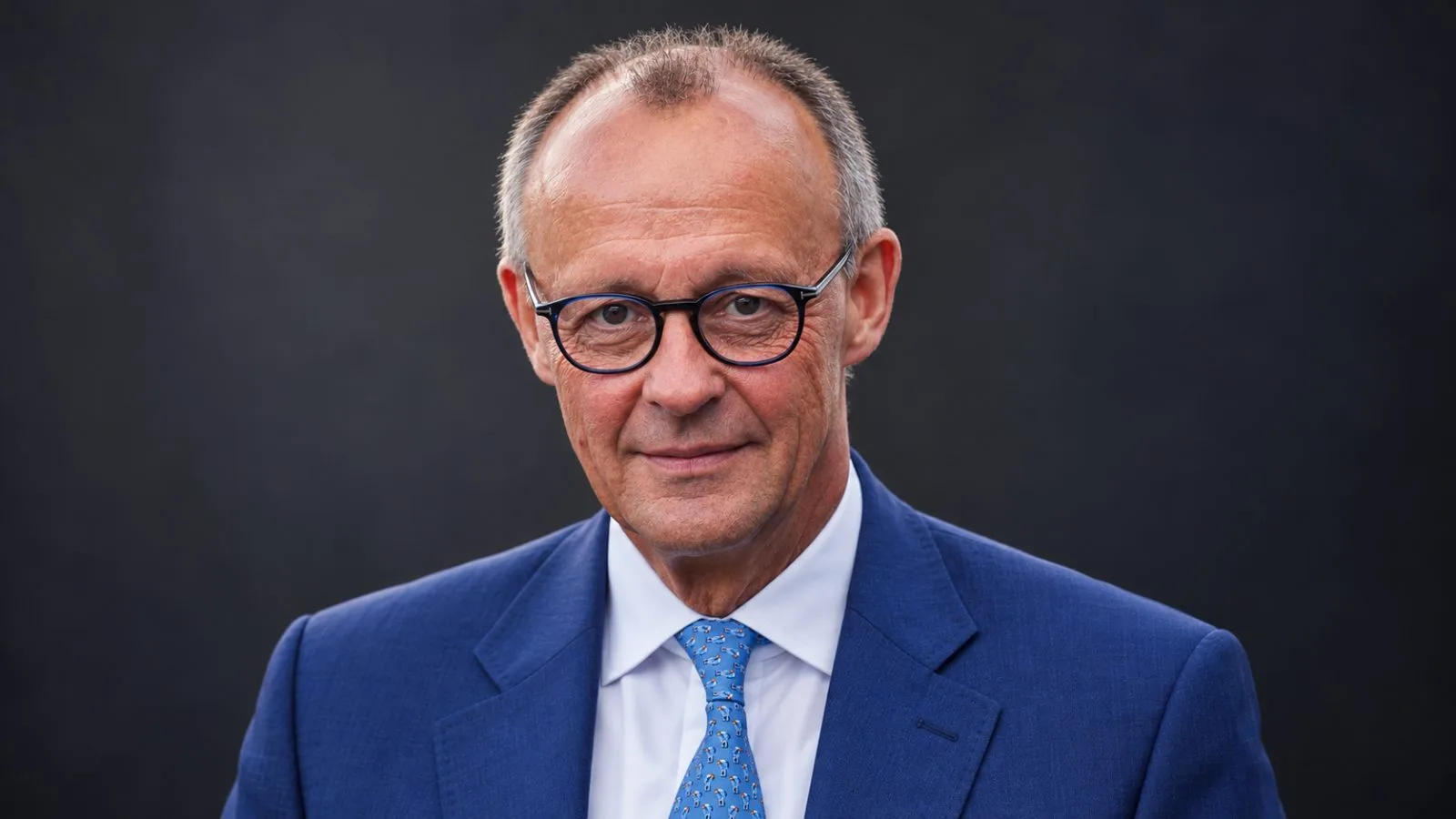
German Chancellor Friedrich Merz voiced hope for Korean unity during a visit to the border on Oct. 30, drawing on Germany’s experience of division. At Camp Bonifas near the Demilitarized Zone, he said people in South Korea had often asked him about Germany’s reunification and that a desire to reunite existed “at least in this part” of the peninsula. He ended by hoping Korea would one day regain national unity.
The figures suggest a more complicated picture than a simple yes or no. In Seoul National University’s 2026 Unification Consciousness Survey, 39.0% of respondents said unification was necessary, while 32.2% said it was not. The largest share, 42.7%, favored gradual unification after conditions matured; 31.5% preferred keeping the current arrangement, a record high in the survey.
The clearest divide appeared in the policy priorities. Asked what the South Korean government should prioritize in its policy toward North Korea, 61.6% chose peaceful coexistence and peace settlement, against 15.3% who chose inter-Korean unification. Among respondents in their 20s and 30s, fewer than three in 10 said unification was necessary, while more than four in 10 said it was not.
That preference does not erase South Korea’s official objective. Article 4 of the Constitution directs the Republic of Korea to seek unification through a policy based on a free and democratic order. The Ministry of Unification’s current plan puts peaceful coexistence first while describing its approach as oriented toward unification, with future generations able to determine its course.
The gap between the two economies is another part of the challenge. The Bank of Korea estimated North Korea’s 2024 nominal gross national income at 44.4 trillion won, compared with 2,593.8 trillion won for South Korea. It put North Korea’s per-capita GNI at 1.72 million won, or 3.4% of South Korea’s. The figures are estimates based on South Korean prices and value-added ratios; they do not calculate a reunification bill.
Merz’s appeal echoed Germany’s own history: the German government dates reunification to Oct. 3, 1990, after a peaceful revolution, democratic decisions and agreements. South Korea’s survey indicates that its public has not settled on one view of eventual unification, but that peaceful coexistence has become the more immediate priority.