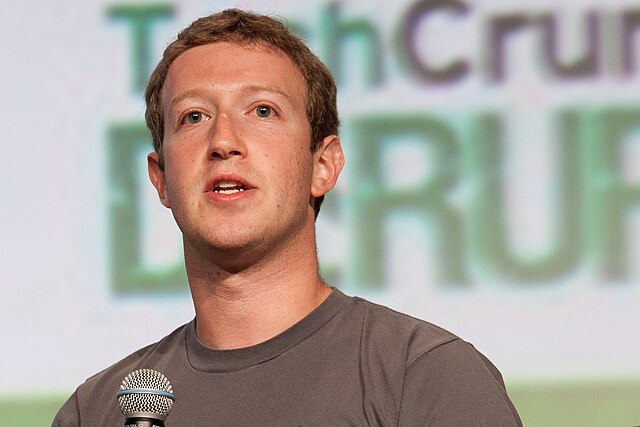
Meta CEO Mark Zuckerberg has argued that artificial intelligence companies should prioritize independent safety evaluations and stronger alignment rather than slowing the pace of AI development.
Zuckerberg said AI developers that fail to build systems aligned with users’ interests could lose ground as trust and safety become increasingly important factors in the competitive AI market.
“There is a lot of debate about slowing progress on capabilities until alignment catches up,” Zuckerberg said. He added that trust and alignment are rapidly becoming critical capabilities that will differentiate AI agents and models.
The Meta CEO pointed to the company’s decision to delay the release of its latest Muse AI model while engineers focused on improving safety and security. Zuckerberg also encouraged AI companies to work with independent evaluators and advisers, describing external reviews as an industry best practice.
He said the AI sector could benefit from a broader and more diverse ecosystem of independent organizations capable of assessing advanced models for safety, security and alignment risks.
Zuckerberg’s comments come as debate intensifies among technology leaders over how quickly companies should develop increasingly powerful artificial intelligence systems.
Anthropic CEO Dario Amodei recently published an essay warning about potential risks associated with rapid AI advances and calling for development to slow. OpenAI CEO Sam Altman, xAI CEO Elon Musk and several other prominent AI executives endorsed Amodei’s message.
Nvidia CEO Jensen Huang, however, has pushed back against proposals that could restrict AI development. Huang has criticized suggestions that AI companies receive antitrust exemptions allowing them to coordinate a slowdown in technological progress.
Zuckerberg’s position more closely resembles Huang’s approach, emphasizing continued AI innovation alongside stronger safety practices rather than broadly limiting development.
Huang has also argued that AI developers should take greater responsibility for the models they create and work to address safety challenges directly.
The debate highlights a growing divide within the technology industry over how to balance rapid AI innovation with safety, security and responsible development as increasingly capable models and AI agents reach businesses and consumers.