


 US Dollar Rises for Fourth Week as Fed Rate Hike Bets Grow
  Oil Prices Trim Gains After Trump Rules Out Iran Strikes Before Midterms
  Oil Prices Rise as Gulf Hurricane and Middle East Supply Risks Mount
  FxWirePro: Daily Commodity Tracker - 21st March, 2022
  Iran Refuses to Halt Uranium Enrichment Amid US Nuclear Demands
  Asian Stocks Mixed as OpenAI Revenue Concerns Hit Chipmakers
  Gold Prices Hit One-Week High as Oil Falls, Fed Rate Outlook Weighed
  Dollar Near 18-Month High as Euro, Yen and Pound Weaken
  US, EU Push for Action Against Asia’s Excess Factory Capacity
  Gold Prices Rise as Dollar Weakens, Treasury Yields Fall
  Best Gold Stocks to Buy Now: AABB, GOLD, GDX


 Add as a preferred source on Google
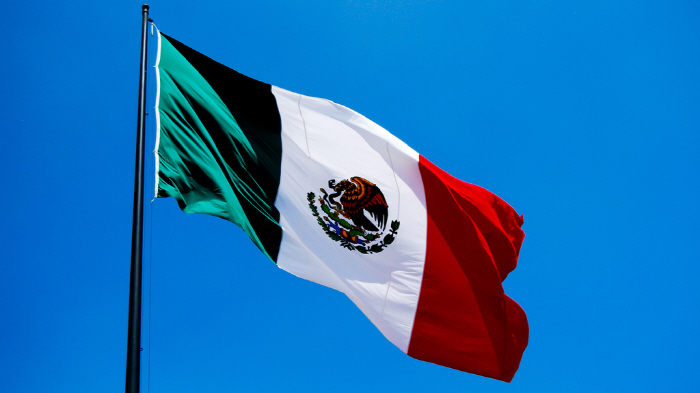
The government proposes reducing the fiscal deficit to 3.0% of GDP from the planned 3.5% in the previous year, and it considers an expenditure cut of MXN221bn (1.2% of GDP) with respect to the 2015 budget, very close to our estimation. The project includes an average price of oil of USD50 per barrel and expects the economy to expand between 2.6% and 3.6% y/y in 2016 (3.1% midpoint).
As expected, the expenditure cut is relatively small but centered on investment. The proposal considers a 20% reduction in oil revenues, partially compensated by a 20% increase in tax revenues (15% higher resources from income tax). However, most of the expenditure adjustment would be done in public investment, as the budget proposal considers a 21% reduction with respect to 2015. This will likely put downward pressure on growth, although recently the effect of public investment on growth has declined.
"Finally, the budget does not consider new taxes and includes some measures to promote investment, particularly for small and medium-sized firms. We do not expect major changes in the Congress. The deadline to finish the discussions on taxes is October 31", notes Barclays.
The federal government deficit is reduced to 2.7% of GDP from 3.1% in 2015. The federal government is planning to reach a deficit of MXN520bn in 2016, less than the deficit of MXN573bn planned for 2015 (3.1% of GDP). The external indebtedness ceiling is maintained in USD6bn. As the public deficit continues to decline, debt ratios is set to stabilize in the coming years as the government plans to reach a deficit of 2.0% of GDP by 2018. However, the government's growth outlook is still very optimistic as it expects to reach at least 3.5% in 2017 and 4.0% thereafter.
The government is proposing to liberalize gasoline prices in 2016, putting downward pressures on inflation in that year. Originally, the government plan was to implement this liberalization of prices in 2017. However, the government is pushing this date forward to next year. Currently, retail gasoline prices are about 20% higher in Mexico than in the US; this means price reductions are possible next year, which could have an important positive effect on inflation.
"The effect on growth should be limited. As the budget came in line with expectations with no relevant changes to the one in previous year, we believe that the effect fiscal changes have on growth will be small. The reduction in public investment might be partially compensated by the new financial vehicles that will be launched this year, in which pension funds could be investing in public projects traded in the equity markets. Also, some fiscal measures should provide a boost to private investment. We maintain our 2016 GDP growth forecast at 2.4% y/y", says Barclays.







