Companies across Australia and New Zealand are increasingly feeling the economic pressure caused by the ongoing Middle East conflict, particularly the U.S.-Israeli war involving Iran. Rising fuel prices, supply chain disruptions, and global uncertainty are driving inflation higher, weakening consumer confidence, and affecting corporate earnings across multiple industries.
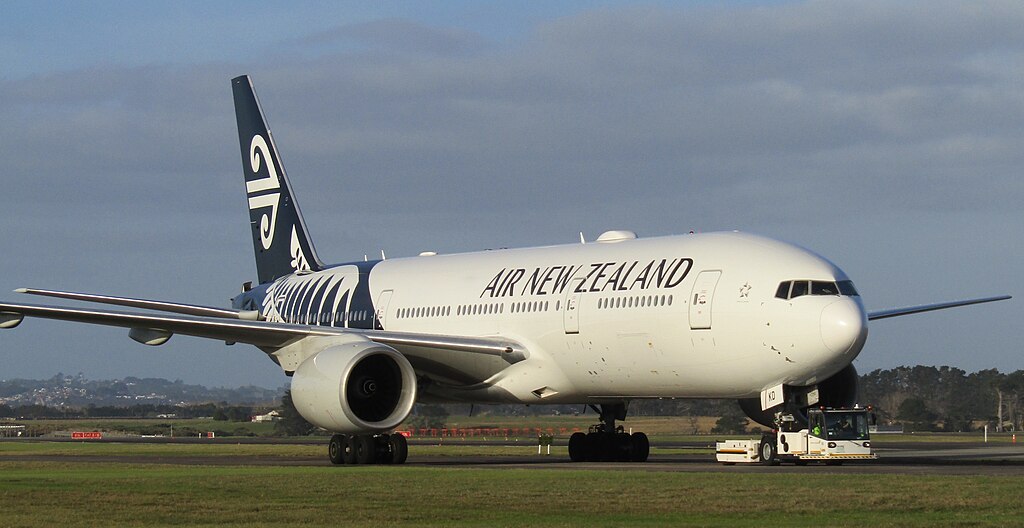
Airlines are among the hardest hit, with Air New Zealand suspending its full-year earnings outlook and raising ticket prices due to volatile jet fuel costs. The airline has also reduced flights, reflecting weaker demand and operational challenges. Similarly, Qantas and Virgin Australia have warned of sharply rising fuel expenses, prompting fare increases and route adjustments to maintain profitability. These aviation disruptions have also impacted infrastructure, with Auckland International Airport reporting a significant drop in Middle East travel demand.
The ripple effects extend beyond aviation. Companies like a2 Milk and Fonterra are experiencing supply chain challenges, increased freight costs, and product availability issues, particularly in key international markets such as China. Fletcher Building and Cleanaway Waste Management have also reported higher operating costs, forcing them to revise earnings forecasts and pass price increases onto customers.
Retail and consumer sectors are under pressure as well. Woolworths highlighted growing cost-of-living concerns among customers and has implemented temporary price freezes on essential goods to ease the burden. Meanwhile, Endeavour Group is facing rising supply chain expenses linked to higher fuel prices, prompting cost-cutting strategies to protect margins.
Financial institutions, including National Australia Bank and Westpac, are preparing for increased credit risks and reduced profitability due to economic volatility. At the same time, industrial firms like Orora and Worley are dealing with operational disruptions and reduced earnings outlooks tied to the conflict.
Overall, the Middle East crisis is creating widespread economic challenges across Australia and New Zealand, influencing everything from fuel costs and inflation to supply chains and corporate performance, while forcing businesses to adapt quickly in an uncertain global environment.