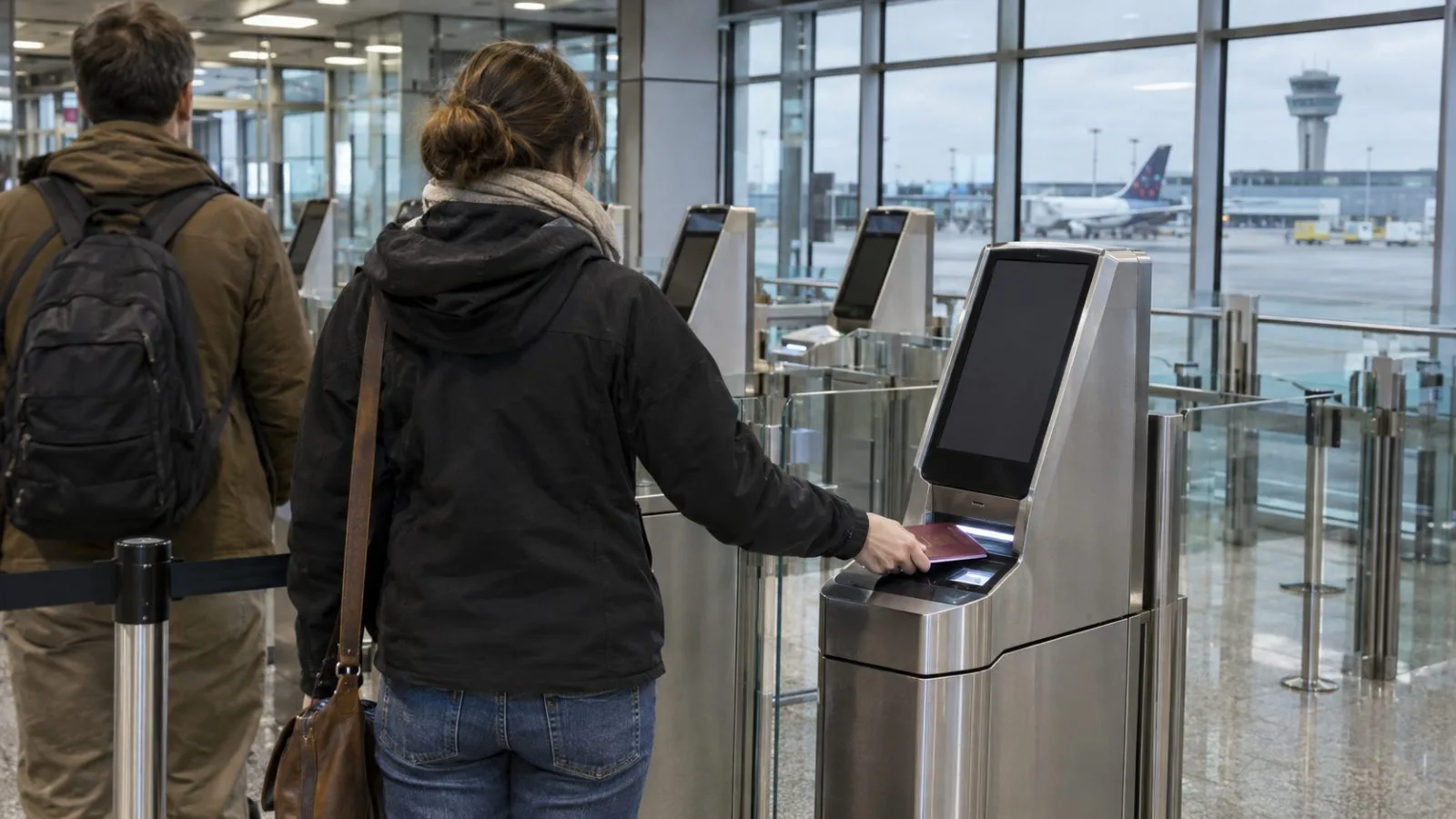
Which? reported that missing exit records in the European Union’s Entry/Exit System (EES) have left some travelers’ Schengen stays appearing longer than their trips, raising the risk of inaccurate official checks. The publication said dozens of readers had contacted it about similar problems, but that is not an estimate of the total number affected.
The Royal Netherlands Marechaussee, the Netherlands’ border police, says inaccurate EES data can distort a traveler’s day count and create problems at automated gates; the European Commission’s calculator can also return an incorrect result. The Council of the European Union says the short-stay allowance is 90 days in any 180-day period across all countries using the system.
Which? reported that novelist Jojo Moyes was stopped at Marseille airport in October after a five-day trip to France. The publication said her record showed no exit after a visit to Portugal in May. Moyes told Which? she had spent 23 days in Europe over the preceding six months. She also told the publication that an officer warned her that returning before the record was corrected could expose her to a €10,000 fine and a two-year ban. Which? did not report that either penalty was imposed. It said Moyes hired an immigration lawyer to help resolve the record.
The European Commission says EES began a gradual introduction across 29 European countries on Oct. 12, 2025, and has been fully operational since Apr. 10, 2026. The system digitally records short-stay border movements and refusals of entry for non-EU nationals, replacing passport stamps.
Which? raised two possible explanations for missing information: checks might have been paused during excessive queues, or EES data might not match older border records. The publication did not establish that queues themselves caused errors or identify what caused the gap in Moyes’ record.
Travelers can review their status with the Commission’s Check How Long You Can Stay tool. EU guidance says they may ask to see their EES data and seek corrections through a data controller or data protection officer in a participating country, preferably one they visited. The Marechaussee advises submitting a request through the country of the traveler’s latest entry or exit, with a passport copy and supporting travel evidence such as a boarding pass or ticket. The EU provides a list of national data-protection contacts, and instructions may vary by country.