A model from Columbia Business School puts the mature annual revenue need for U.S. AI capacity built by 2032 at $3.55 trillion to meet a 10% unlevered return. Stijn Van Nieuwerburgh, the Earle W. Kazis and Benjamin Schore Professor of Real Estate at Columbia Business School, developed the model.
The figure is an annual requirement once facilities, power systems and computing equipment reach mature operations; it is not a prediction of sales in 2032. The investment estimate covers spending from 2025 through 2032, so it measures a different period and scale. Unlevered means the return calculation excludes debt financing.
The central case includes nearly $9 trillion of U.S. investment over those years and 188 gigawatts of additional capacity in operation by 2032. It adjusts announced projects for cancellations and downsizing and leaves later proposals out of the scenario.
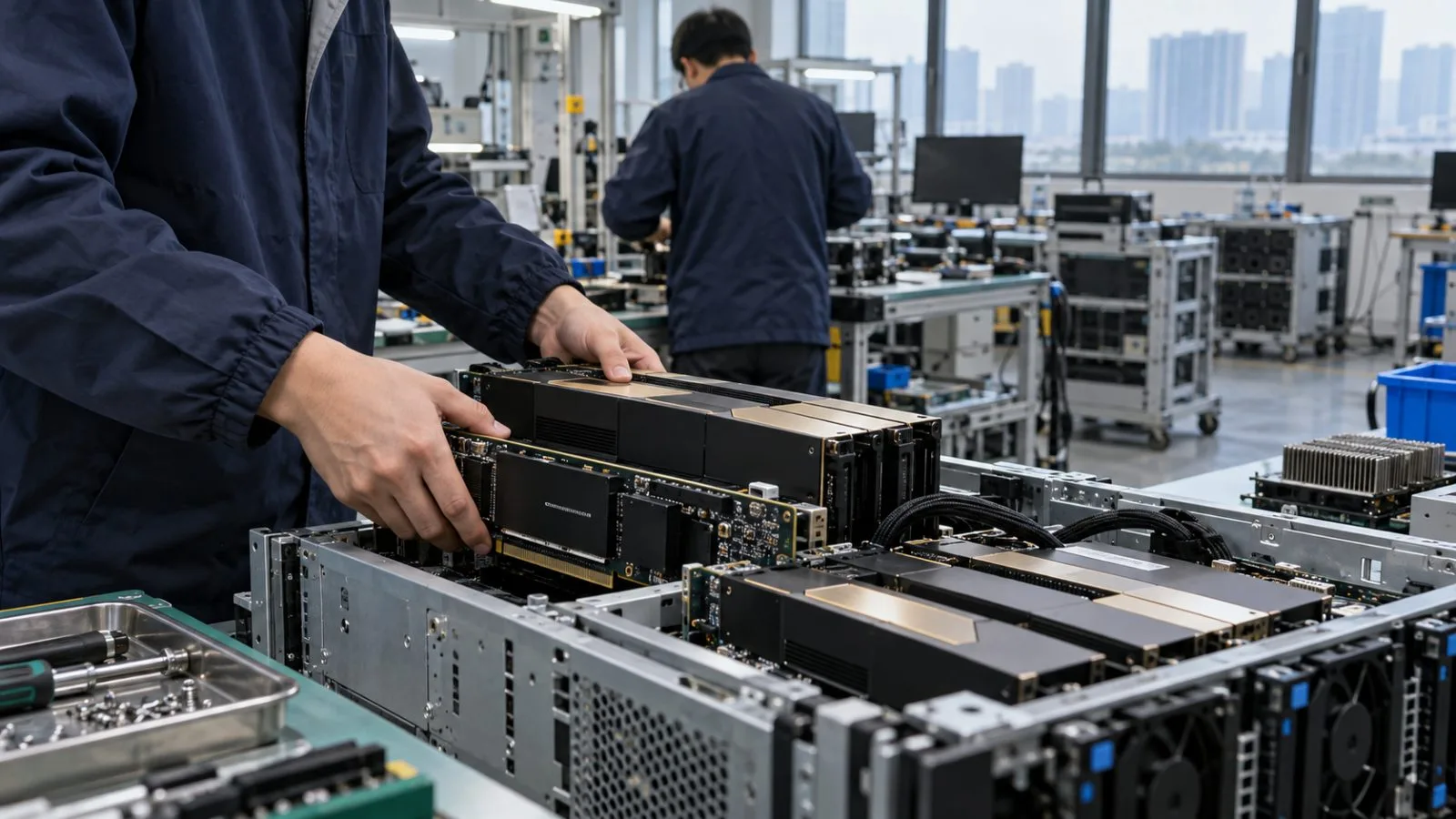
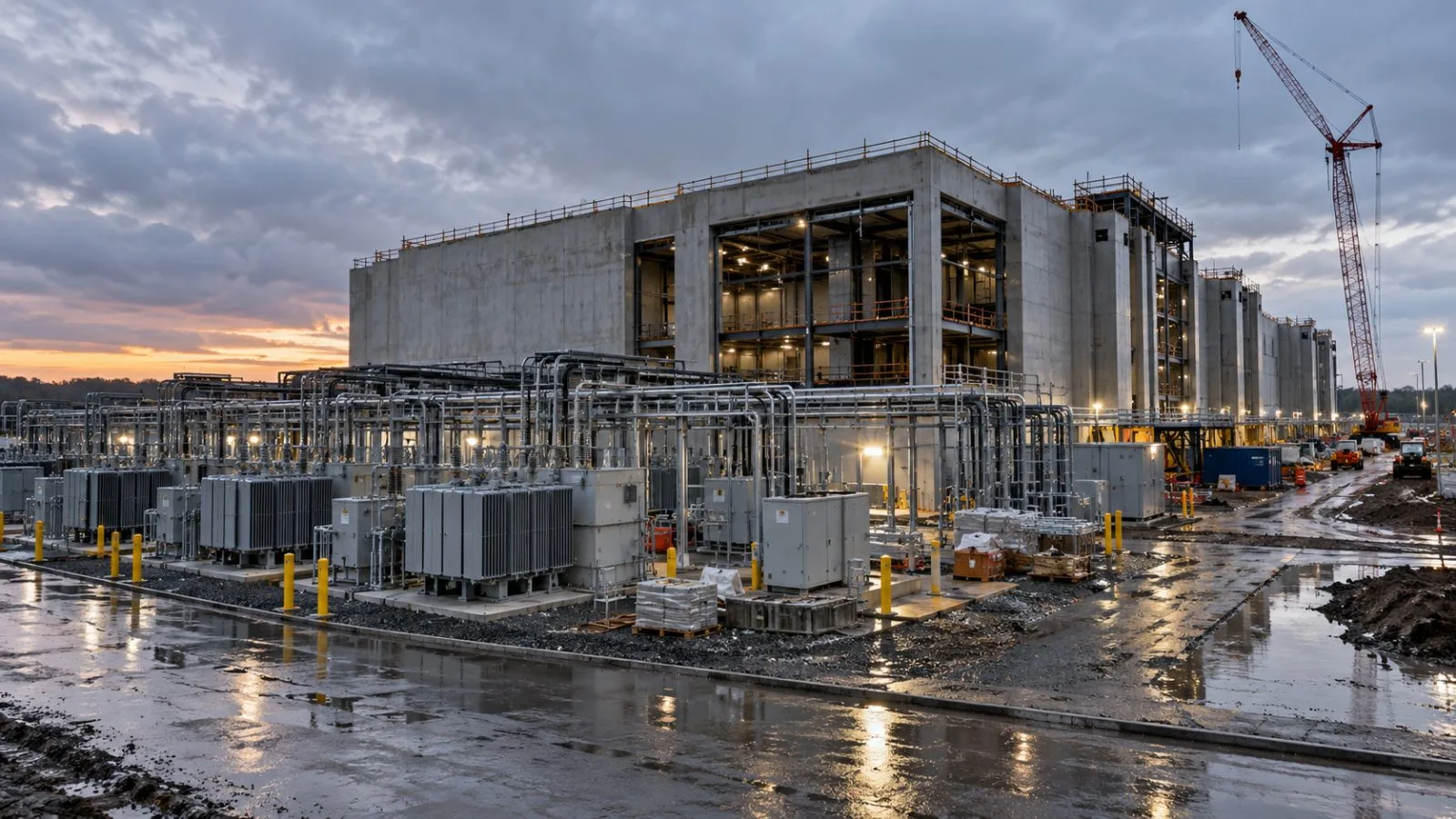
A typical 200-megawatt campus is estimated to cost about $8.2 billion, with computing equipment accounting for about two-thirds. The calculation uses a 50% operating cash-flow margin and assigns IT equipment a six-year useful life. If the margin is one-third, annual revenue needed rises to $5.38 trillion; shortening equipment life to three years raises it to $5.7 trillion.
The assumptions show how cash generation and equipment replacement timing affect the revenue hurdle. Financing can also divide ownership from use: leases, joint ventures and borrowing may leave developers, lenders and investors with exposure to projects used by other companies.
In a September version of Van Nieuwerburgh’s model, investment reached $10.3 trillion and mature annual revenue was set at $3.725 trillion, based on about 183 gigawatts completed by 2032. The updated scenario lowers both estimates while including more capacity in operation. EconoTimes previously covered Van Nieuwerburgh’s earlier roughly $3.7 trillion revenue estimate.
Van Nieuwerburgh wrote: “Today’s shortage can support attractive pricing. It cannot establish what pricing will look like after today’s construction pipeline opens.”