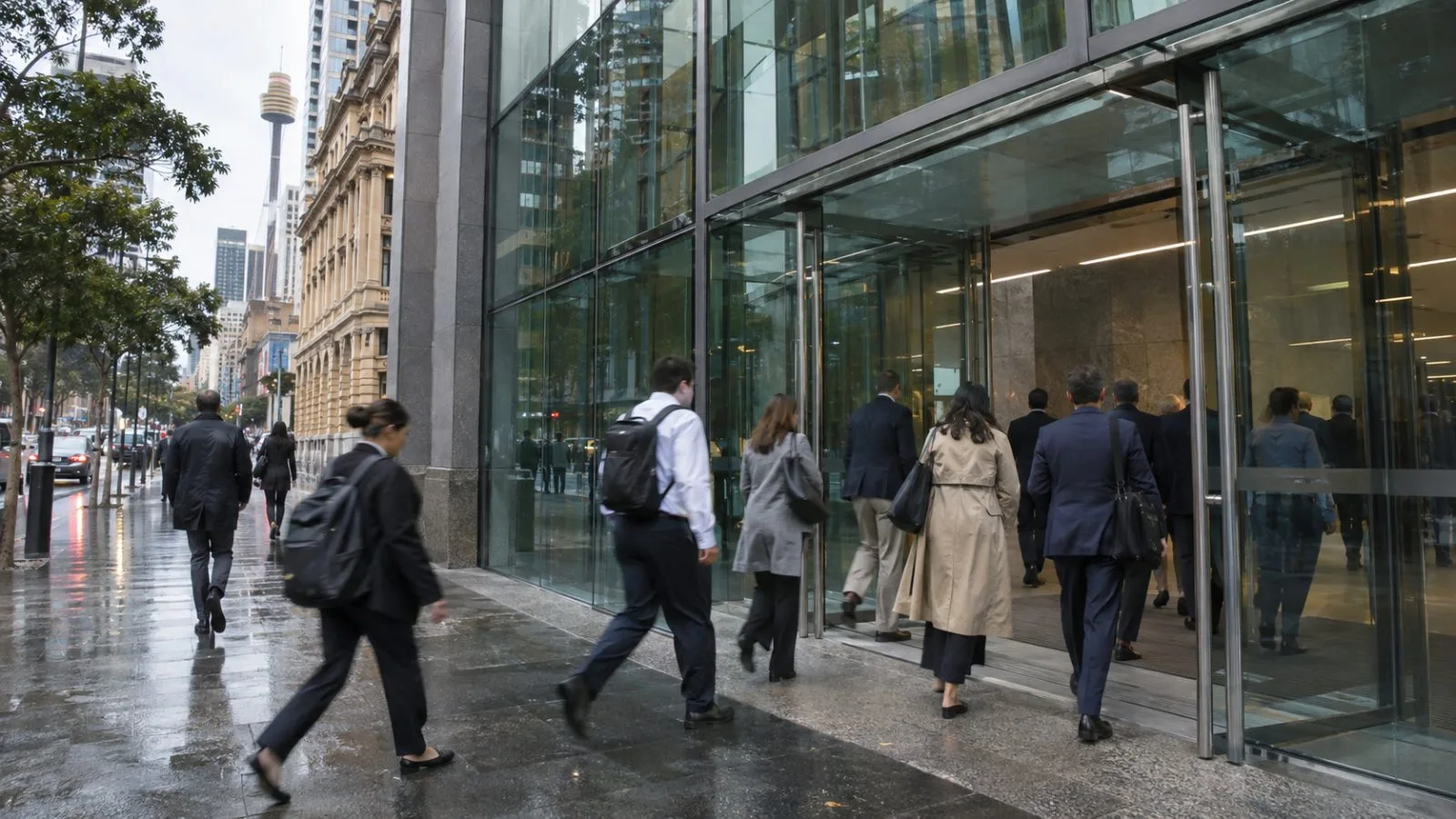
Four Australia-linked employers are changing staffing plans for different reasons, showing how AI is entering corporate decisions while leaving its broader effect on jobs unmeasured.
The cases matter to workers and employers beyond Australia because they show workforce changes unfolding alongside outsourcing, slower growth and AI investment. The announcements describe individual company decisions, not whether AI is increasing or reducing employment across the economy.
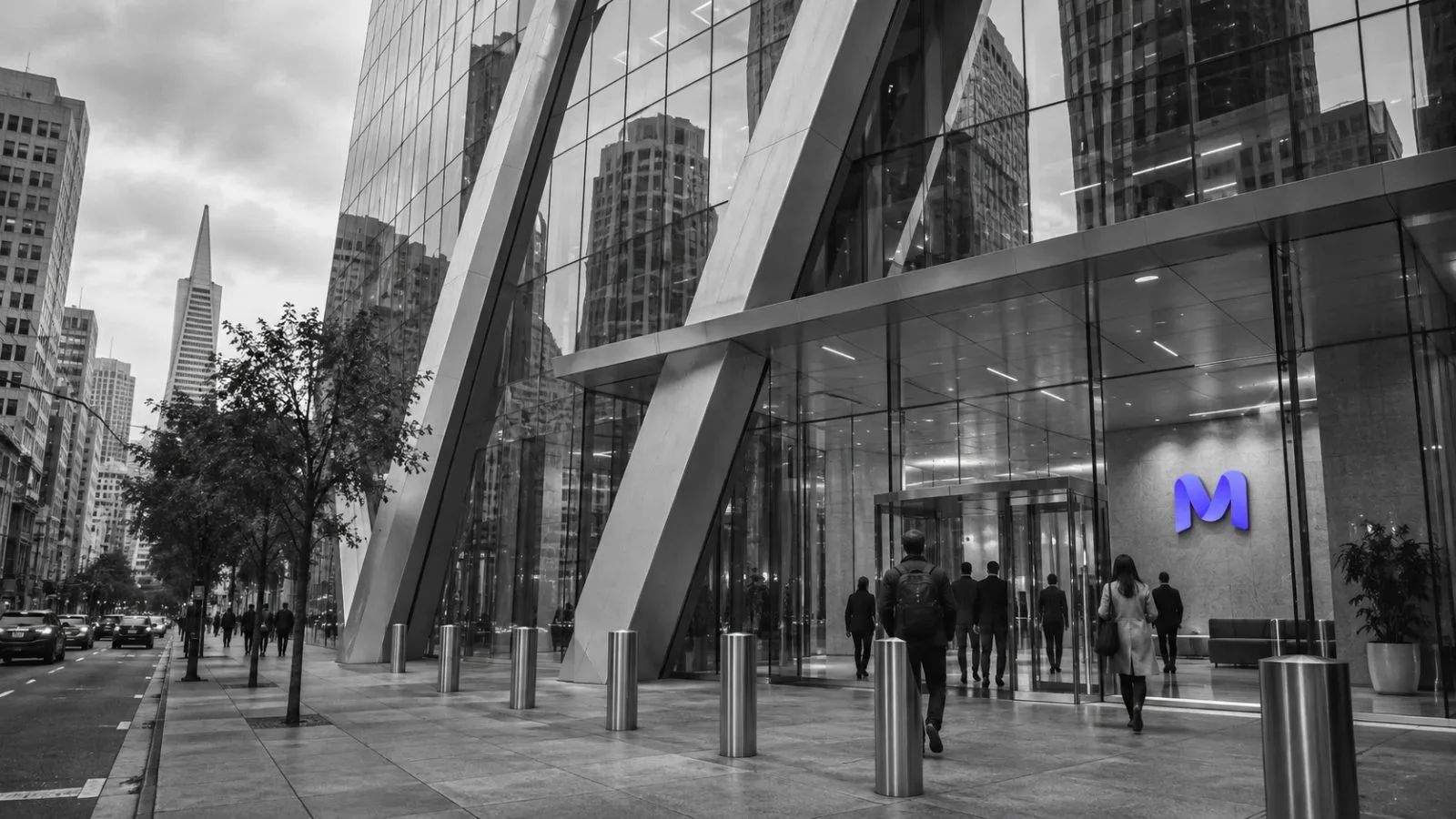
National Australia Bank (NAB) plans to reduce its workforce by up to 2,500 roles by September 2027, including up to 1,500 by the end of 2026. NAB Group CEO Andrew Irvine said the plan addresses duplication, competition and a softening economy, and said AI did not drive the changes.
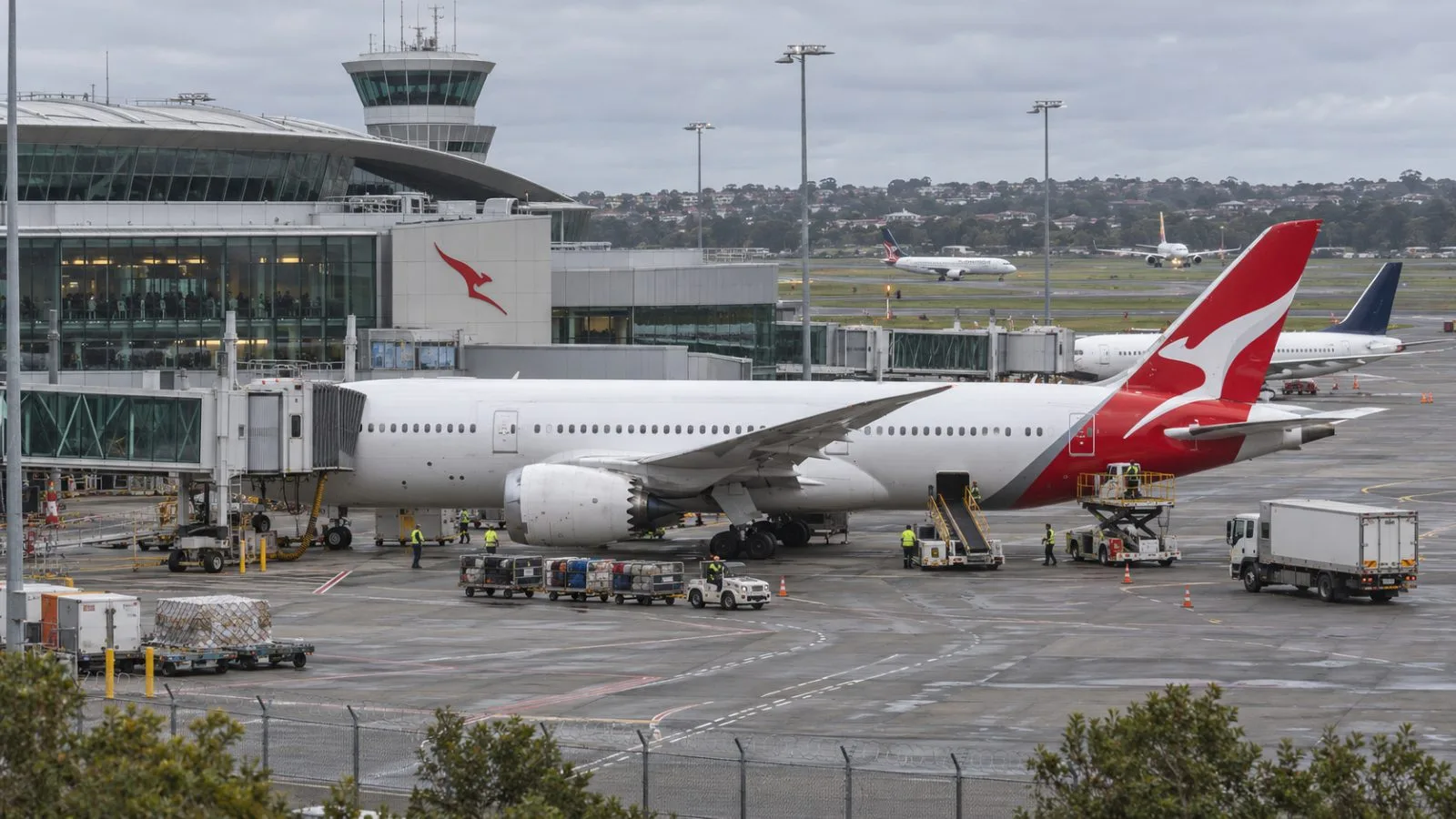
Qantas Group expects its partnership with Accenture to affect around 850 roles over the coming years. The plan covers services from Qantas’ corporate functions, some of which will move to Accenture teams in India and Australia. Qantas expects the first changes by mid-2027 and says it will consult affected employees and unions before individual outcomes are decided. Automation and AI are planned for a later phase; the company has not described the 850 roles as confirmed job losses.
Canva says 1,271 people, or 22% of its workforce, will be affected by a reorganization after a period of slower growth. That figure includes role changes and relocations as well as departures, and the company has not disclosed how many people will leave.
Atlassian announced in March that it would reduce its team by about 10%, or roughly 1,600 employees. CEO Mike Cannon-Brookes said AI is changing the company’s staffing needs. Atlassian said the reductions would help fund AI investment and enterprise sales while strengthening its financial profile.
Workers face potential departures, changed roles or relocation. Qantas says it will seek redeployment and retraining where possible. Canva says departing employees will receive at least six months’ salary; Atlassian’s package starts at 16 weeks, plus one week for each year of service, subject to local consultation.
The Australian Bureau of Statistics reported a seasonally adjusted unemployment rate of 4.7% in September. Seasonally adjusted employment fell by 39,300 from August but rose by 168,300, or 1.2%, from a year earlier. The figures do not identify changes caused by AI. The bureau’s October labor-force data are scheduled for release Thursday, Nov. 19.