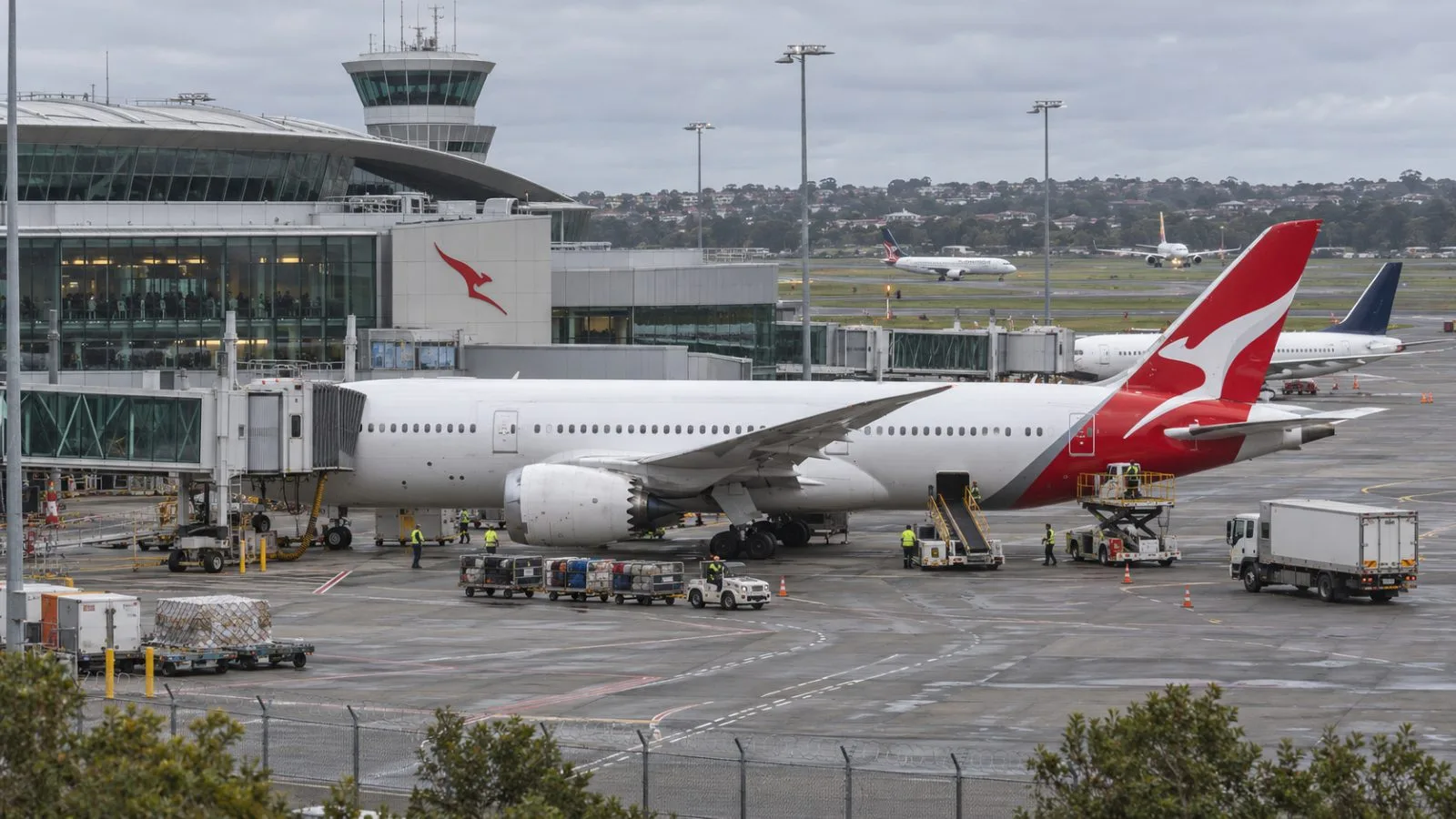
Qantas Group expects its Accenture technology partnership to affect about 850 roles over several years, putting plans to shift some service work and later apply AI under labor scrutiny.
Under the agreement, some corporate services will move to Accenture teams, mainly in India and also in Australia. Initial changes are expected by mid-2027, with automation and AI planned to reshape the work later. Qantas has not said how the affected roles will divide among transferred work, jobs retained in Australia or positions ultimately eliminated.
Qantas cited its software estate of more than 1,000 older applications, many with limited integration, as a reason to modernize. It says it will consult employees and unions before deciding individual outcomes, and will seek internal placements where possible, including new Australian roles, while providing retraining and other support. Qantas Group CEO Vanessa Hudson called the announcement “difficult news for some of our people.”
Reuters reported that Australian Council of Trade Unions Secretary Melissa Donnelly said unions worried AI could be used as a “cover to cut Australian jobs,” a concern often described as “AI washing.” The concern is an allegation; Qantas has described a modernization plan, and individual outcomes remain subject to consultation.
Other Australian companies have announced AI-related workforce changes. WiseTech Global told the Australian Securities Exchange on Feb. 25 that its AI and efficiency program could eliminate about 2,000 positions worldwide during fiscal 2026 and into fiscal 2027, with initial reductions potentially reaching 50% in product and development and customer service teams. Atlassian reported in its fiscal 2026 filing that a restructuring affecting about 10% of its workforce redirected resources toward AI and enterprise sales.
Reserve Bank of Australia (RBA) Assistant Governor (Economic) Sarah Hunter said in a Nov. 9 speech that there was little evidence AI had significantly changed aggregate employment across advanced economies. The RBA said most firms in its business liaison program had not reported headcount effects; tentative signs of weaker job postings and employment in some AI-exposed occupations were modest and could reflect other factors.
The Australian Bureau of Statistics (ABS) reported a seasonally adjusted unemployment rate of 4.7% in September, with 732,000 people unemployed. The ABS is scheduled to publish its next labor-force report Thursday, Nov. 19.