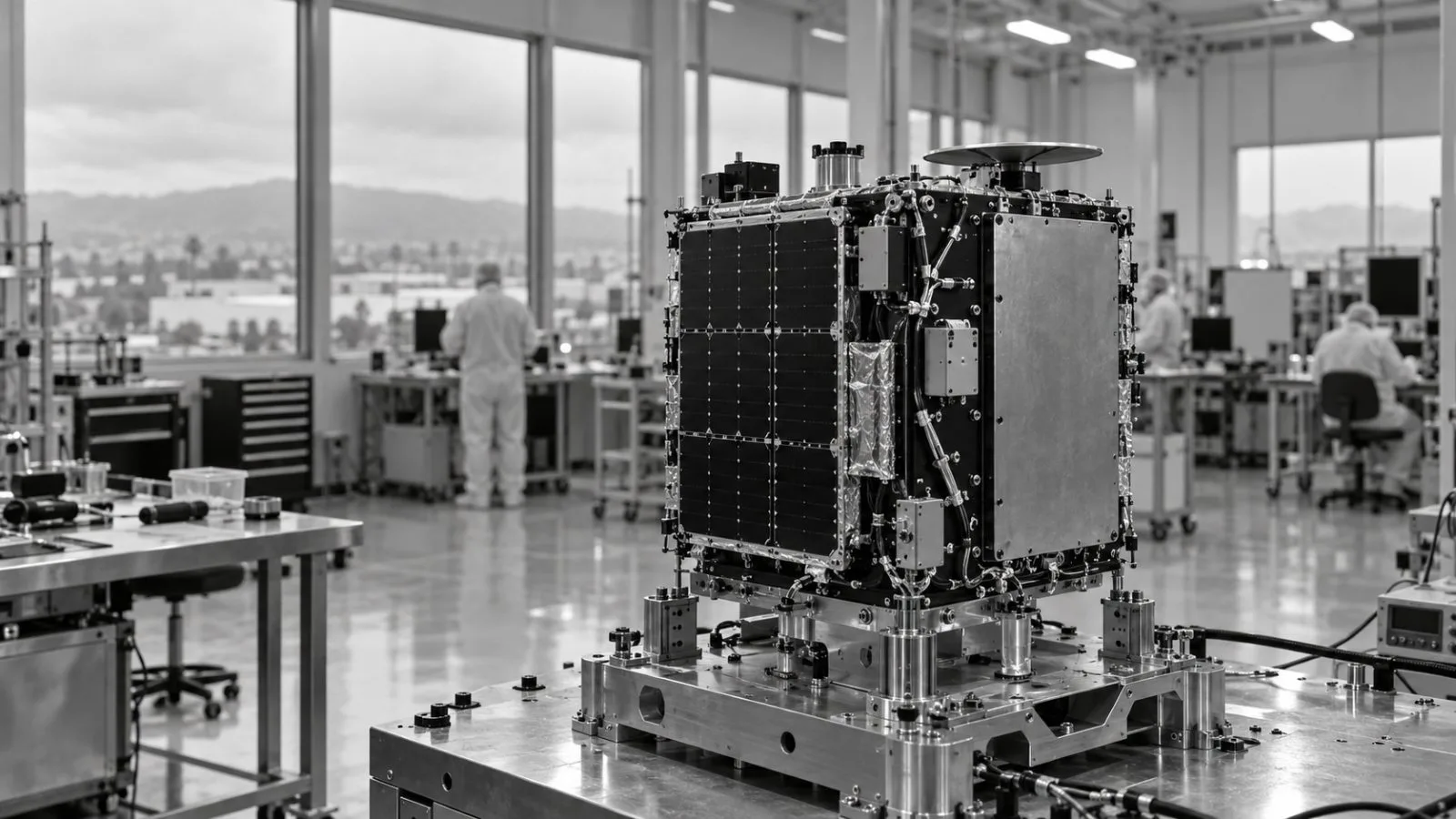
NASA expects Voyager 1 to become the first human-made object one light-day from Earth on Nov. 18, a distance that puts a roughly 48-hour round trip between Earth and the probe.
NASA’s current status estimate places Voyager 1 16.094 billion miles (25.902 billion kilometers) away at 5:16:07 a.m. ET (10:16:07 UTC) Wednesday, Nov. 18. One light-day is the distance light covers in 24 hours. From that separation, a radio message takes about a day to reach the spacecraft, and a reply takes about another day to return.
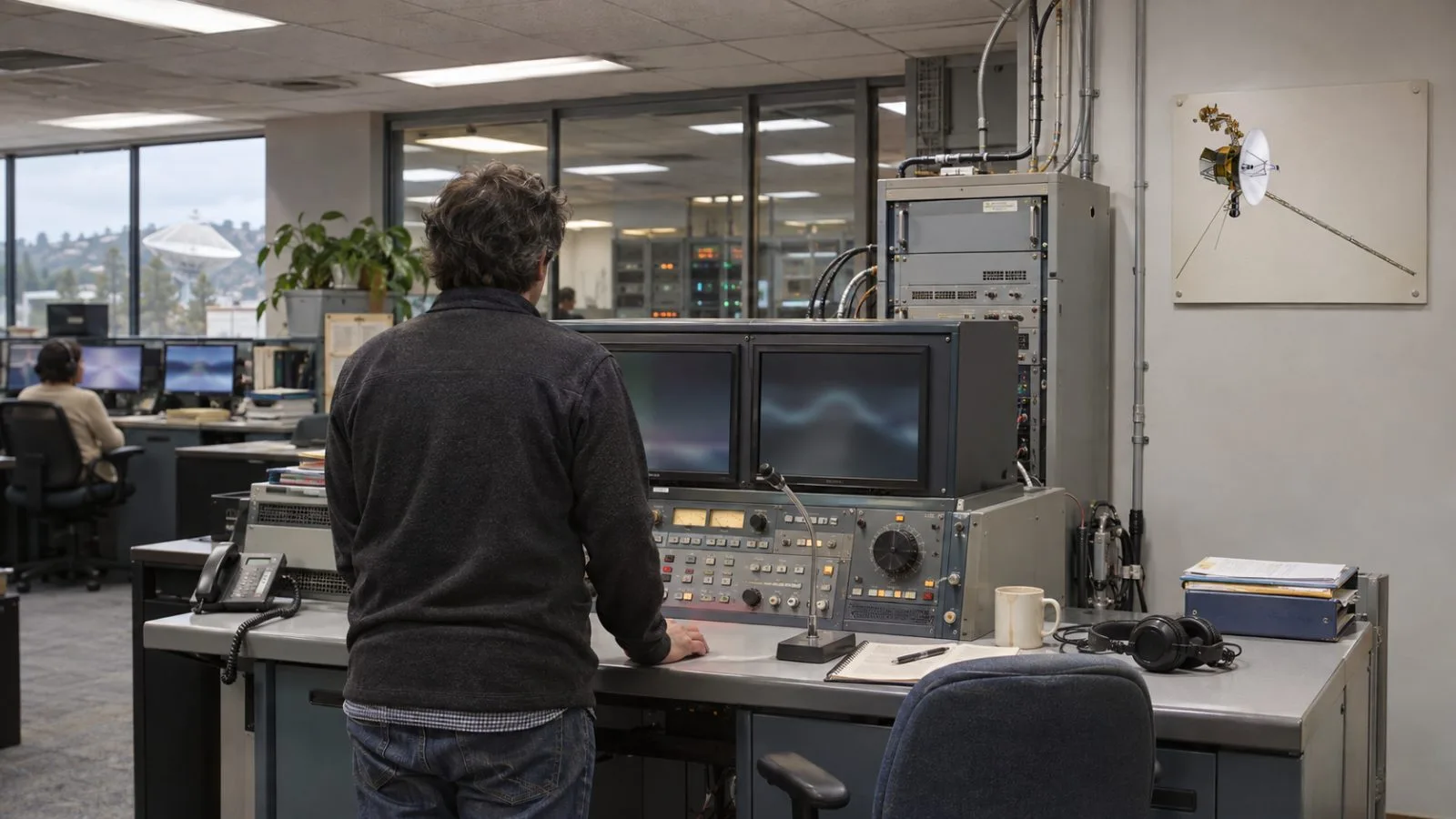
The delay shapes routine communication with the NASA mission. “Wait two days before you finally get a response,” said Suzanne Dodd, Voyager project manager at NASA’s Jet Propulsion Laboratory, describing the wait after sending a message.
The crossing marks distance, not a change in the probe’s operations. NASA says it will not affect Voyager 1’s systems or its environment. Voyager 1 and Voyager 2 are the only spacecraft to have operated beyond the heliosphere, the region around the Sun shaped by solar particles and magnetic fields.
NASA sent Voyager 1 on its way Sept. 5, 1977; it reached interstellar space in 2012. Voyager 2 entered interstellar space in 2018 and is projected to reach the same distance from Earth in November 2035.
The milestone follows a brief communications interruption. NASA said the signal was lost during two scheduled attempts, 24 hours apart, then returned Oct. 20. In an Oct. 29 update, the agency said engineers were still investigating the cause.
NASA’s public participation activity invites people to blink the probe’s VGR identifier in Morse code after sunset Nov. 17. The two-day delay for Voyager 1 radio exchanges was covered previously by EconoTimes. The Jet Propulsion Laboratory has scheduled a discussion about the twin spacecraft’s status and science for noon ET Thursday, Nov. 19.