NASA expects the Neil Gehrels Swift Observatory to re-enter Earth’s atmosphere Nov. 4, with the forecast’s 11-hour uncertainty leaving both timing and possible debris locations unsettled.
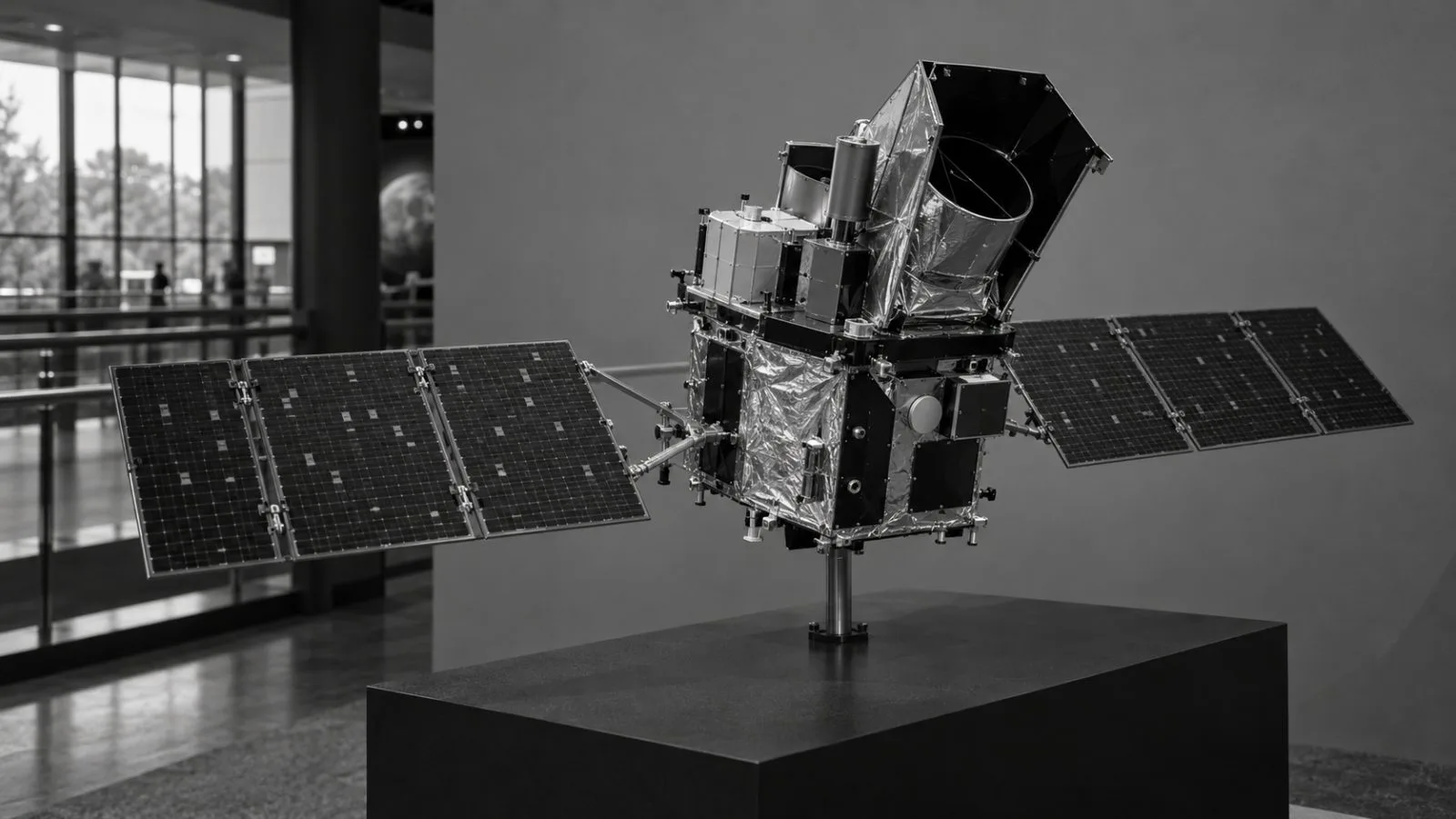
A U.S. Space Force estimate cited in NASA’s Nov. 2 update centers on 3:30 a.m. EST (0830 UTC) Wednesday. NASA estimates the risk of harm to someone on Earth at one in 2,100. Most of the 3,200-pound spacecraft is expected to burn up, though some parts may survive. NASA’s update gives a broad latitude band for possible debris, from 20.6 degrees south to 20.6 degrees north, but no specific ground track. EconoTimes previously covered NASA’s Nov. 4 re-entry estimate.
NASA linked Swift’s accelerated orbital decline to increased solar activity, which intensified atmospheric drag. In September 2025, the agency awarded Katalyst Space Technologies a $30 million contract to try to raise the observatory’s orbit and extend its science work.
That effort ended in August after an attitude-control issue affected LINK, Katalyst’s servicing spacecraft. NASA and Katalyst said LINK would not capture and boost Swift, but would continue testing close approaches and maneuvers near the observatory to demonstrate servicing capabilities.
Swift’s final observation came Oct. 20, when it was 171 miles (275 kilometers) above Earth. Increased drag made steady observations difficult, and the spacecraft entered safe mode; Penn State’s operations team then sent a command ending Swift’s operations.
Swift launched Nov. 20, 2004, with a two-year primary mission. Its three instruments detected gamma-ray bursts and other cosmic events across gamma-ray, X-ray, ultraviolet and visible wavelengths. NASA and the U.S. Space Force said they would keep tracking the spacecraft and updating the re-entry estimate.