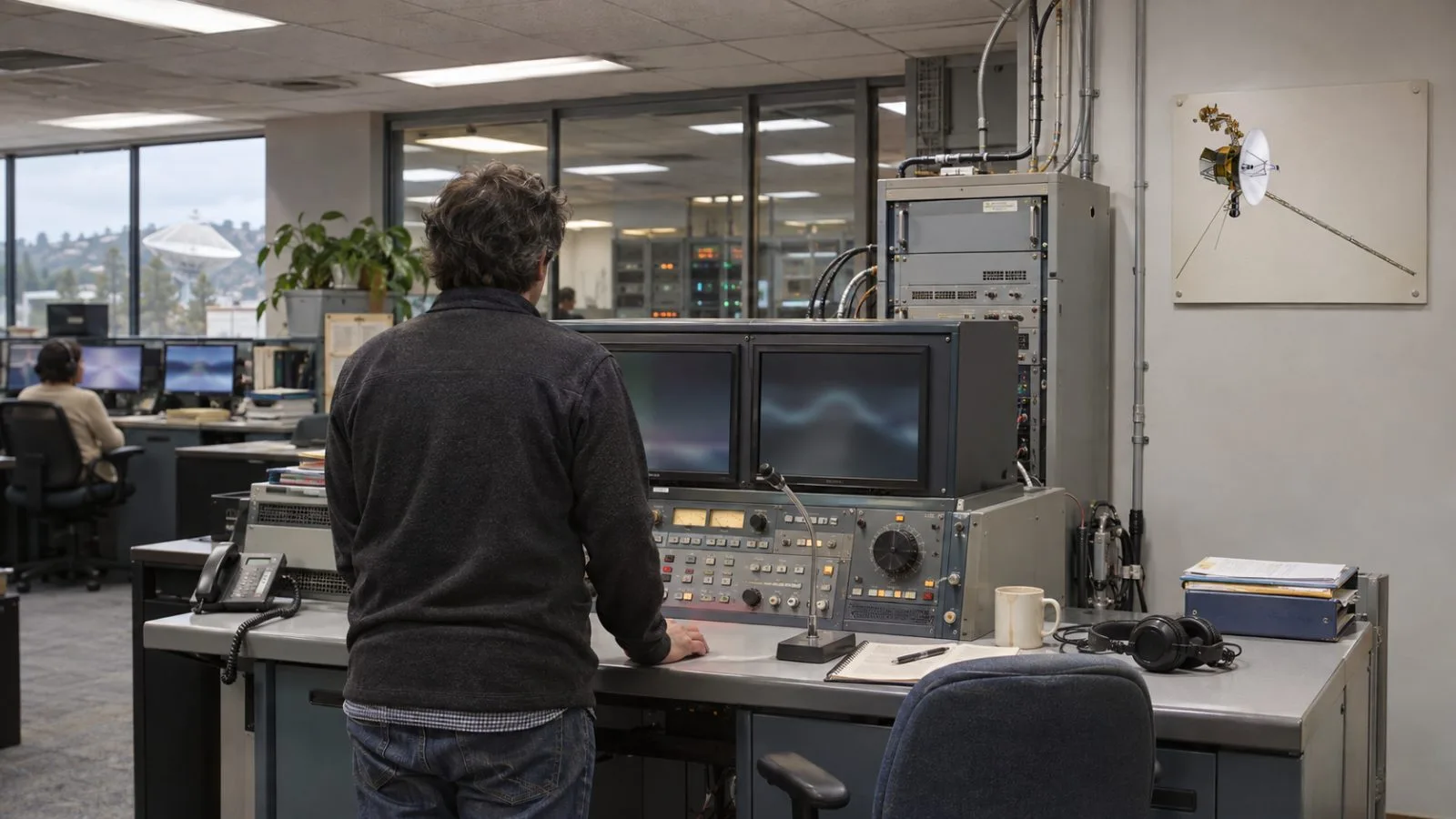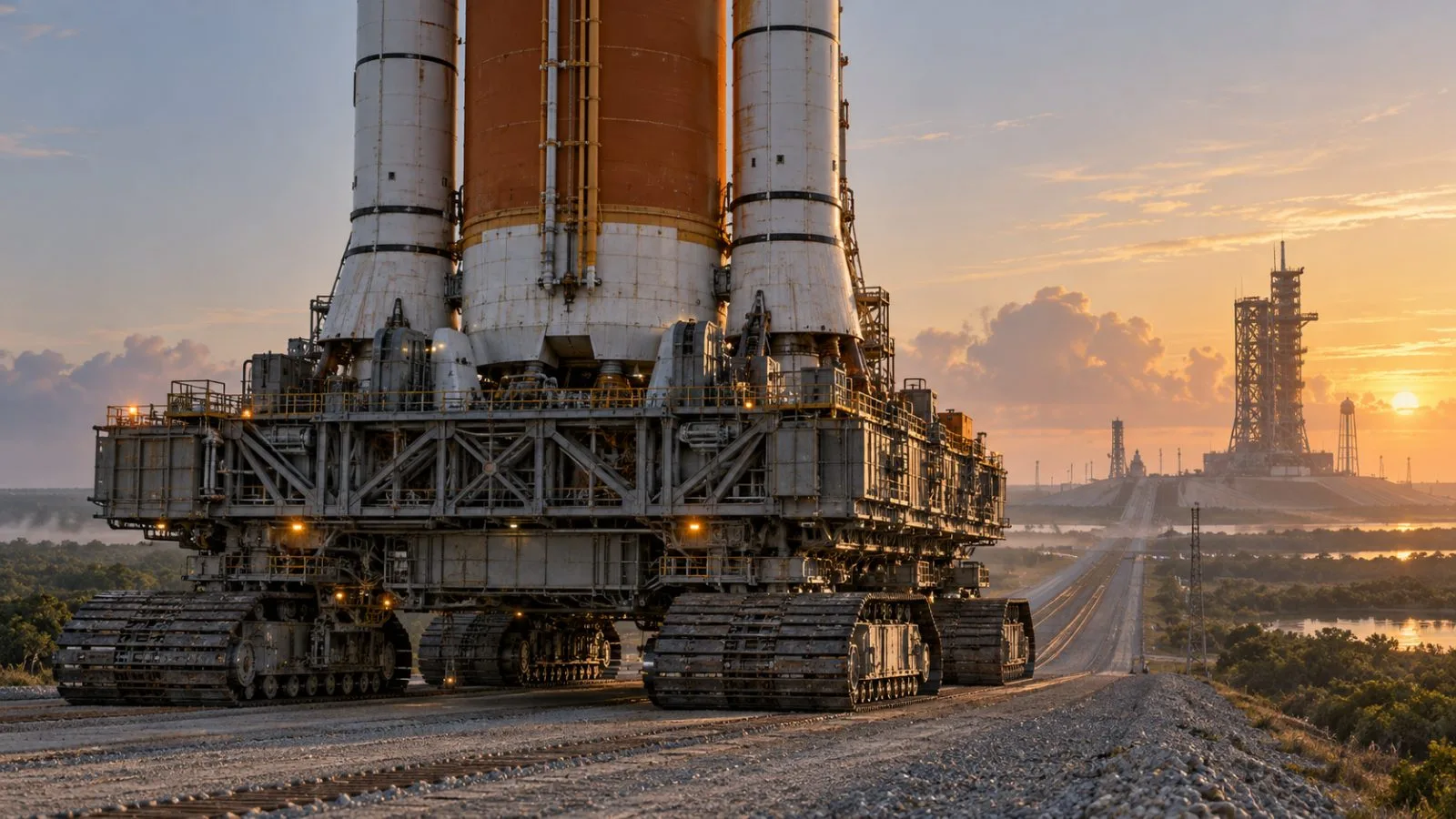
NASA has selected 302 small-business research projects for potential seed funding of up to $171 million, targeting technologies for lunar and Mars exploration and the broader U.S. space economy.
The package brings together 204 Phase I projects selected in August and 98 Phase II projects selected in July. Phase I awards provide up to $225,000 to test technical and commercial feasibility, while Phase II funding supports development after that assessment. NASA
The Phase I selections comprised 51 Appendix A SBIR proposals, 121 Appendix B SBIR proposals and 32 Appendix B STTR teams working with research institutions. NASA estimates the combined value of those awards at more than $45 million. The 98 Phase II projects involve small businesses in 28 states and carry a potential value of approximately $121 million. NASA Phase I, NASA Phase II
Several projects address infrastructure for sustained lunar operations. Opterus Research and Development is developing rollable solar arrays that NASA says could scale to 50 kilowatts for use on the Moon and Mars. Intelligent Fiber Optic Systems is working on a 10-foot robotic arm equipped with cameras and sensors to measure texture, force and temperature. NASA
Elementium Materials is developing a battery module designed to function to minus 76 degrees Fahrenheit without active heating, a capability NASA links to the Moon's 14-day night. Slate Geotechnical Consultants and the Colorado School of Mines will study reusable landing pads and rover-based maintenance methods to reduce dust, cratering and damage from repeated landings. NASA
NASA's Ames Research Center manages the SBIR/STTR program. The agency describes Phase I as an “idea generation” stage, while Phase II covers the “development, demonstration, and delivery” of technologies that have shown feasibility. NASA Phase I, NASA Phase II
NASA's detailed Phase I and Phase II pages indicate roughly $166 million in listed awards, below the $171 million headline total. NASA also gives the Phase II ceiling as both $1.3 million and $1.275 million on different pages.