


 Trump Administration to Launch Autism Initiatives Targeting Acetaminophen Use and New Treatment Options
  Neuralink Expands Brain Implant Trials with 12 Global Patients
  Trump Signs Executive Order to Boost AI Research in Childhood Cancer
  Cogent Biosciences Soars 120% on Breakthrough Phase 3 Results for Bezuclastinib in GIST Treatment
  NASA's Artemis II Crew Arrives in Florida for Historic Moon Mission
  FDA Adds Fatal Risk Warning to J&J and Legend Biotech’s Carvykti Cancer Therapy
  SpaceX Pivots Toward Moon City as Musk Reframes Long-Term Space Vision
  Trump Administration Releases New UFO Files and Apollo Mission Records
  China vs. NASA: The New Moon Race and What's at Stake by 2030
  SpaceX Delays Starship V3 Launch Ahead of Potential Record IPO
  Blue Origin New Glenn Explosion Could Delay Launch Operations Until 2028
  SpaceX’s Starship Completes 11th Test Flight, Paving Way for Moon and Mars Missions


 Add as a preferred source on Google
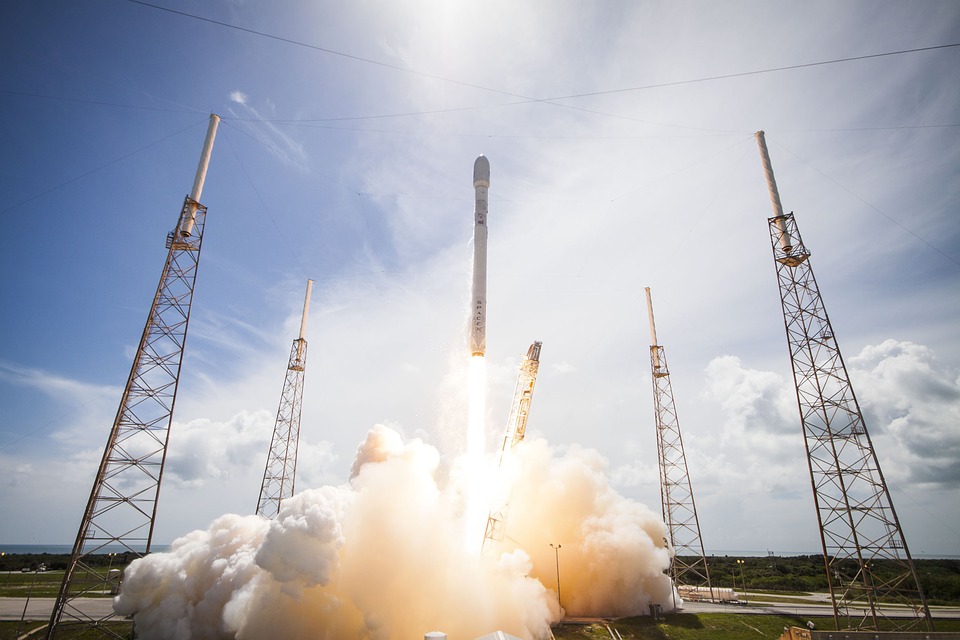
Following the successful launch of the crew demo mission by NASA and SpaceX early this year, the two agencies are preparing for another crewed mission this year. NASA and SpaceX have announced that the upcoming Crew-1 mission will take place at the end of October, on the 31st.
The upcoming Crew-1 mission by NASA and SpaceX is now scheduled to launch on October 31 following its original launch date of October 23. The Crew-1 mission will transport four astronauts from American soil and to the International Space Station. Crew-1 is also going to be the first of many space flights from America to space. This marks a historic partnership between the two space agencies as this year was the first since 2011, that NASA astronauts were able to be transported to space straight from home turf.
Because the original launch date conflicted with other missions that made use of the Russian Soyuz rockets, thus moving the launch to October 31 gave NASA and SpaceX a little more time to prepare. “This additional time is needed to ensure closure of all open work, both on the ground and aboard the station, ahead of the Crew-1 arrival,” Said Tori McClendon of NASA. “The increased spacing will also provide a good window of opportunity to conduct additional testing to isolate the station atmosphere leak if required.”
Aside from the upcoming Crew-1 mission for NASA and SpaceX, the private space agency recently had to abort a new Starlink launch, just seconds before it was going to take off. There were supposedly 18 seconds left before the agency had to abort the mission and while the cause for the last-minute cancellation has yet to be disclosed, it is believed that it may have something to do with an anomalous ground sensor reading at the Florida launchpad.
“Targeting Thursday, October 1, a 9:17 a.m. EDT for launch of Starlink. Due to a conflict on the Range, now targeting launch of GPS III04 on Friday, October 2, 15-minute window opens at 9:43 a.m. EDT,” said the agency in a statement.
While the cancellation of the mission came in last minute, it was not that surprising as the US Space Force has only predicted that the private space agency has a 70 percent chance of good weather for the launch window.







