


 OpenAI Annualized Revenue Hits $50 Billion, Below Earlier Estimates
  DogecoinVM Makes DOGE Transactions 300x Faster
  NASA's Artemis II Crew Arrives in Florida for Historic Moon Mission
  Trump Administration to Launch Autism Initiatives Targeting Acetaminophen Use and New Treatment Options
  Solidigm Taps Goldman, Morgan Stanley for $10 Billion US IPO
  Anthropic Expands Claude Access for Cyber Defense Teams
  Cogent Biosciences Soars 120% on Breakthrough Phase 3 Results for Bezuclastinib in GIST Treatment
  Litecoin Marks 15 Years as Grayscale Backs LTC ETF Push
  LG Electronics Shares Slide as Q3 Profit Misses Estimates
  AstraZeneca, Bristol Myers Squibb Explore Mega Merger Worth Nearly $400 Billion
  JPMorgan CEO Jamie Dimon Warns Mythos AI Raises Cyber Risk Tenfold
  Hanmi Pharm Soars 30% on $2.3 Billion Genentech Obesity Drug Deal
  GLP-1 Weight-Loss Drug Use Surges Among U.S. Children
  Hims & Hers Shares Fall as GLP-1 Costs Widen Q2 Loss
  OpenAI, Anthropic Back Mandatory AI Breach Reporting in Australia
  HUTCHMED, AstraZeneca Seek FDA Approval for Lung Cancer Combo


 Add as a preferred source on Google
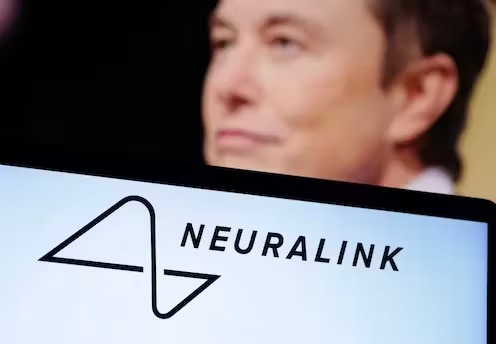
Elon Musk’s brain-computer interface company, Neuralink, announced that 12 people worldwide have now received its brain implants. This is up from seven patients reported in June, when the company’s partner, Barrow Neurological Institute, revealed that individuals with severe paralysis were successfully using Neuralink’s technology to control digital devices and physical tools through thought.
According to Neuralink, the collective use of its implants has surpassed 2,000 days, totaling over 15,000 hours of activity. The company shared the update on X (formerly Twitter), highlighting progress in real-world applications of its brain chip technology.
Neuralink also confirmed plans to expand clinical research in Europe. Beginning this year, the company will launch a trial in Great Britain in collaboration with University College London Hospitals and Newcastle Hospitals. The study aims to evaluate the safety and effectiveness of the brain implant in enabling patients with paralysis to regain independence through mind-controlled devices.
In June, Neuralink secured $650 million in funding, underscoring strong investor confidence in its mission to merge humans with advanced AI systems. The funding comes as the company scales its human trials, which officially began in 2024 after addressing safety concerns flagged by the U.S. Food and Drug Administration. The FDA had initially rejected Neuralink’s application in 2022 before granting approval for human testing.
With growing clinical evidence and international partnerships, Neuralink continues to position itself at the forefront of neurotechnology. The company’s brain-computer interface could mark a major breakthrough for patients with severe neurological conditions, while also driving advancements in human-AI integration.







