


 Trump Administration to Launch Autism Initiatives Targeting Acetaminophen Use and New Treatment Options
  Polkadot Launches dotUSD Stablecoin as DOT Price Falls
  Trump Administration Releases New UFO Files and Apollo Mission Records
  Xiaomi Shares Surge 7.6% as SkyNomad EV Orders Hit 70,000
  Morgan Stanley Raises Coinbase Stock Price Target to $258 Ahead of Earnings
  NASA's Artemis II Crew Arrives in Florida for Historic Moon Mission
  Samsung Q3 Profit Hits Record High on AI Memory Demand
  US Suspends Microsoft, Adobe From Green Card Program
  Anthropic Launches Claude Dashboards and Motion AI Tools
  Apple Cuts iPhone 18 Pro Production Orders Amid Weak Demand
  Broadcom, Oracle and SpaceX Seek Billions in Private Debt for AI Expansion
  DogecoinVM Makes DOGE Transactions 300x Faster
  SpaceX Pivots Toward Moon City as Musk Reframes Long-Term Space Vision
  Zcash Plans Quantum-Resistant Security Upgrade for January
  OpenAI Revenue Hits $50 Billion, Below Earlier $70 Billion Estimate
  Neuralink Expands Brain Implant Trials with 12 Global Patients


 Add as a preferred source on Google
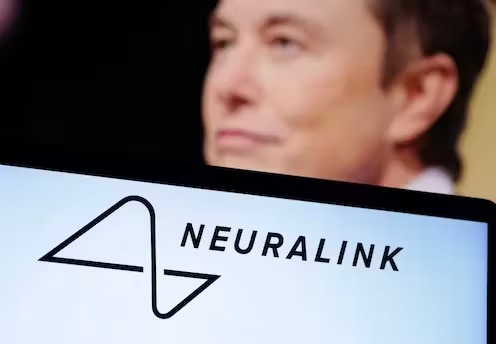
Elon Musk’s brain-computer interface company Neuralink is preparing for a major expansion, announcing plans to begin high-volume production of its brain implant devices and transition to a fully automated surgical procedure by 2026. The announcement was made by Musk in a post on the social media platform X, highlighting the company’s long-term vision to scale its neurotechnology and make implantation faster, safer, and more accessible.
Neuralink’s brain implant technology is designed to help people with severe neurological conditions, including spinal cord injuries and paralysis, by enabling direct communication between the brain and external devices. The implant allows users to control digital tools using their thoughts, opening new possibilities for restoring independence and improving quality of life. According to previously shared updates, the first patient implanted with the device has successfully used it to play video games, browse the internet, post on social media, and control a laptop cursor without physical movement.
The company began human trials of its brain-computer interface in 2024 after resolving safety concerns raised by the U.S. Food and Drug Administration. The FDA had initially rejected Neuralink’s application in 2022, citing potential risks, but later approved the trials after additional safeguards were implemented. This marked a significant milestone for the company and the broader neurotechnology industry.
In September, Neuralink revealed that 12 people worldwide with severe paralysis had already received its brain implants. These individuals were reportedly using the technology to control both digital and physical tools purely through thought, demonstrating the real-world potential of brain-computer interfaces. The company has also attracted strong investor interest, securing $650 million in a funding round completed in June, further supporting its research, development, and manufacturing goals.
While Neuralink did not immediately respond to a request for comment, Musk’s statement suggests the company is moving toward large-scale deployment. If successful, high-volume production and fully automated surgical implantation could significantly accelerate adoption of brain implant technology, positioning Neuralink as a leader in the rapidly evolving field of neural interfaces and medical innovation.







