


 Nvidia’s China AI Chip Market Share Falls to 34% as Huawei Gains Ground
  Solidigm Taps Goldman, Morgan Stanley for $10 Billion US IPO
  Albertsons Seeks $9.3 Billion From Kroger Over Failed Merger
  Moonshot AI Executives Seek Settlement Ahead of Hong Kong IPO
  Epic Games Delays Disney Shooter, Shifts to AI-First Development
  Yandex Data Center Hit by Drone Strike as Russia-Ukraine Cyber Infrastructure Attacks Escalate
  Tencent Shares Fall as $5 Billion AI Bond Sale Weighed
  Canton Network Expands in South Korea With Major Partnerships
  PepsiCo Slashes Poppi Earnout Valuation as Growth Slows
  Meta Launches Muse Wonder AI Models, Shares Rise 3.7%
  Morgan Stanley Predicts $10 Trillion RWA Market by 2030
  US Suspends Microsoft, Adobe From Green Card Program
  Most Americans Oppose Election Betting on Prediction Markets, Poll Finds
  Apple Supplier Luxshare Faces US Patent Probe, Sees Limited Impact
  Ethereum Foundation-Linked Wallets Move $11.13M in ETH to Kraken
  Bumble Shares Surge 50% on $1 Billion Buyout Talks


 Add as a preferred source on Google
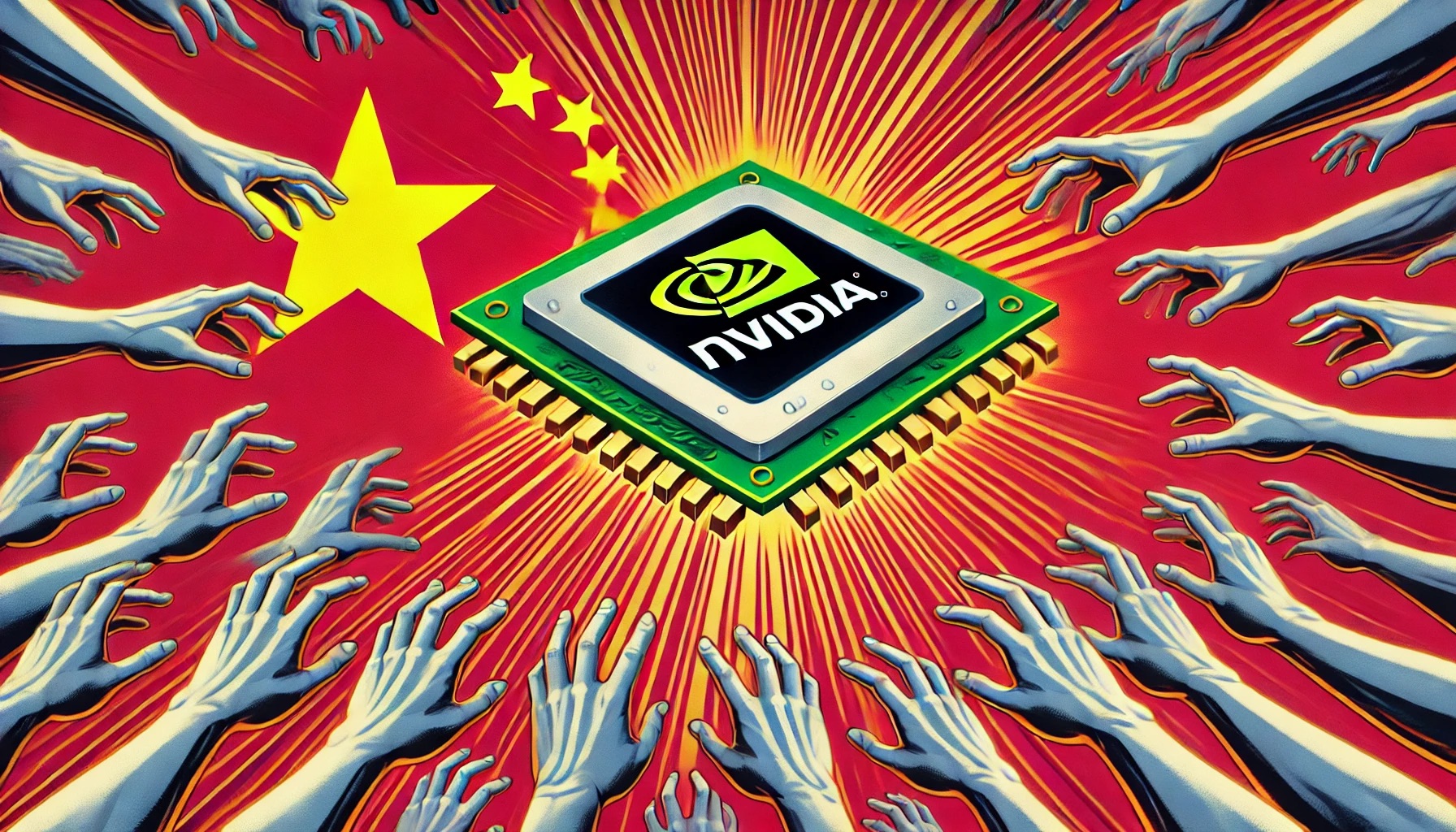
China’s AI sector faces a dilemma between relying on NVIDIA’s powerful chips or transitioning to domestic alternatives. A new report highlights the limitations of China’s AI hardware and suggests sticking with NVIDIA for optimal performance amid increasing US sanctions.
NVIDIA’s Dominance in China’s AI Market
The future of China's artificial intelligence (AI) processing capacity is a hotly contested topic, with many pointing out that the country's AI companies can no longer depend on hardware from companies like NVIDIA due to the increasing impact of US sanctions.
While Huawei's domestic solutions have helped alleviate some of the problems, a recent study from the China Academy of Information and Communications Technology (CAICT) argues that Chinese data centers shouldn't rely solely on domestic products because of their limitations.
Domestic AI Solutions Face Limitations
A report on China's growing computing power released on Sunday by the China Academy of Information and Communications Technology (via SCMP) said, "If the conditions allow, [data centres] can choose [Nvidia’s] A100 and H100 high-performance computing units, if the need for computing power is limited, they can also choose H20 or alternative domestic solutions."
NVIDIA’s Continued Success in China Despite Sanctions
According to WCCFTECH, NVIDIA has found success in China, a market hit hard by US trade restrictions; the country accounts for over 10% of the company's year-over-year revenue.
Team Green's hardware is crucial for Chinese AI companies like ByteDance and Tencent. Their enormous consumer base means they need a lot of AI computing capacity. An indication of China's enormous demand for AI hardware, CAICT revealed that GPU-based processing power for AI training and inference experienced a YoY rise of 70% in the region.
Chinese AI Chipmakers Struggle Against NVIDIA
Companies such as BirenTech and Huawei have introduced their own artificial intelligence chips to compete with NVIDIA's market dominance; Huawei's Ascend 910B AI GPU has been particularly successful in driving sales for the Chinese tech giant.
According to rumors, the company will also unveil the more powerful Ascend 910C. However, the CAICT thinks it's not worth the hassle to adapt existing LLMs developed on NVIDIA's compute stack and implement domestic solutions for code porting.







