Malicious entities are always trying to scam internet users into giving them the information that they want, which they will use for all kinds of nefarious deeds. A security firm discovered a new one recently that involves a particularly devious method of fooling even the most tech-savvy account holders. It involves using Google’s login page in order to steal login information.
The discovery of the new phishing scheme was made by security firm WordFence and according to the blog post that it made, the new method has been spreading like wildfire for months. It’s reportedly so effective that even experienced tech experts are getting fooled thanks to the ingenious use of a fake Google login page.
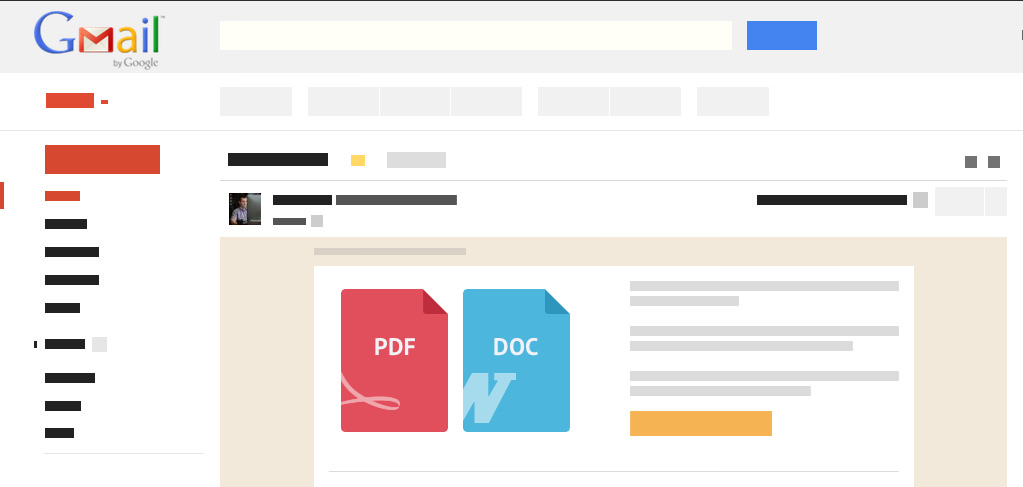
The new tactic involves sending emails to users from what appears to be the account of a person they know. The email contains a PDF file and once it is opened, it will prompt the appearance of a page that mimics the login window used by Google for its Gmail service. Once the user inputs their information, the details will be stolen and stored by the culprits.
After doing this, the people behind the phishing scheme will then gather more data on the user that they just victimized, finding more people to send fake emails to, and the cycle repeats. The brilliance behind the method lies in the way the scammers managed to replicate the Google login page so closely, Fortune notes.
The only way to actually differentiate the fake with the real thing is by looking at the address bar. The fake will have all of the right details except for the additional "data:text/html" that is found at the end. This prefix would not be present in the URL of the real Google login page. Even so, with only this small detail that isn’t even known to most people to indicate the something was amiss, it’s no wonder that even tech experts got fooled.