Leaders of the Group of Seven (G7) nations are discussing a proposal that could give selected “trusted partners” access to advanced artificial intelligence models developed by U.S. companies such as Anthropic, according to diplomatic sources. The discussions come after Anthropic recently restricted access to its most advanced AI systems following a directive from U.S. President Donald Trump aimed at limiting foreign use of cutting-edge AI technology over national security concerns.
Anthropic suspended access to its latest AI models, Fable 5 and Mythos 5, after Trump ordered the company to prevent foreign nationals from using its most advanced AI tools. The move sparked concerns among U.S. allies seeking access to powerful AI technologies for cybersecurity and research purposes.
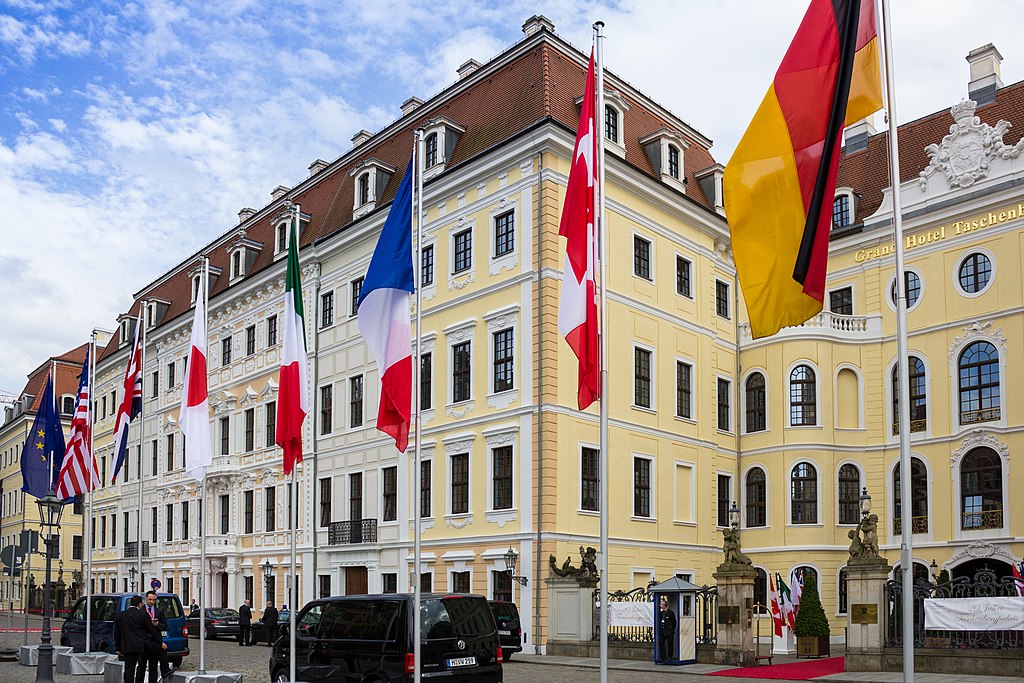
Sources familiar with the matter said representatives from several countries raised the issue during meetings with U.S. officials at the G7 summit in Evian-les-Bains, France. Discussions reportedly took place with U.S. Commerce Secretary Howard Lutnick during the summit’s opening events. Under the proposed framework, access could be granted to trusted countries or select organizations that meet security requirements.
Supporters of the initiative argue that broader access to advanced AI models would help allied nations strengthen cybersecurity defenses and improve protection against emerging digital threats, including those posed by geopolitical rivals such as China. A White House official stated that the Trump administration remains in close contact with allies while continuing to address national security concerns surrounding advanced AI technologies.
The issue is expected to remain a key topic at the G7 summit, where executives from Anthropic, OpenAI, and Google are scheduled to participate in discussions covering AI regulation, infrastructure, and future technology development.
Anthropic’s Mythos model has attracted particular attention due to its ability to identify vulnerabilities in computer code. While cybersecurity experts warn that such technology could potentially be exploited by malicious actors targeting financial institutions, supporters believe it can significantly improve digital security. Before the recent restrictions, Anthropic had provided Mythos access to selected organizations across more than 15 countries, including entities in healthcare, communications, energy, and water infrastructure sectors.
The European Union is also seeking access to the model to better understand its capabilities and potential risks. The Financial Times first reported details of the proposed “trusted partners” initiative.