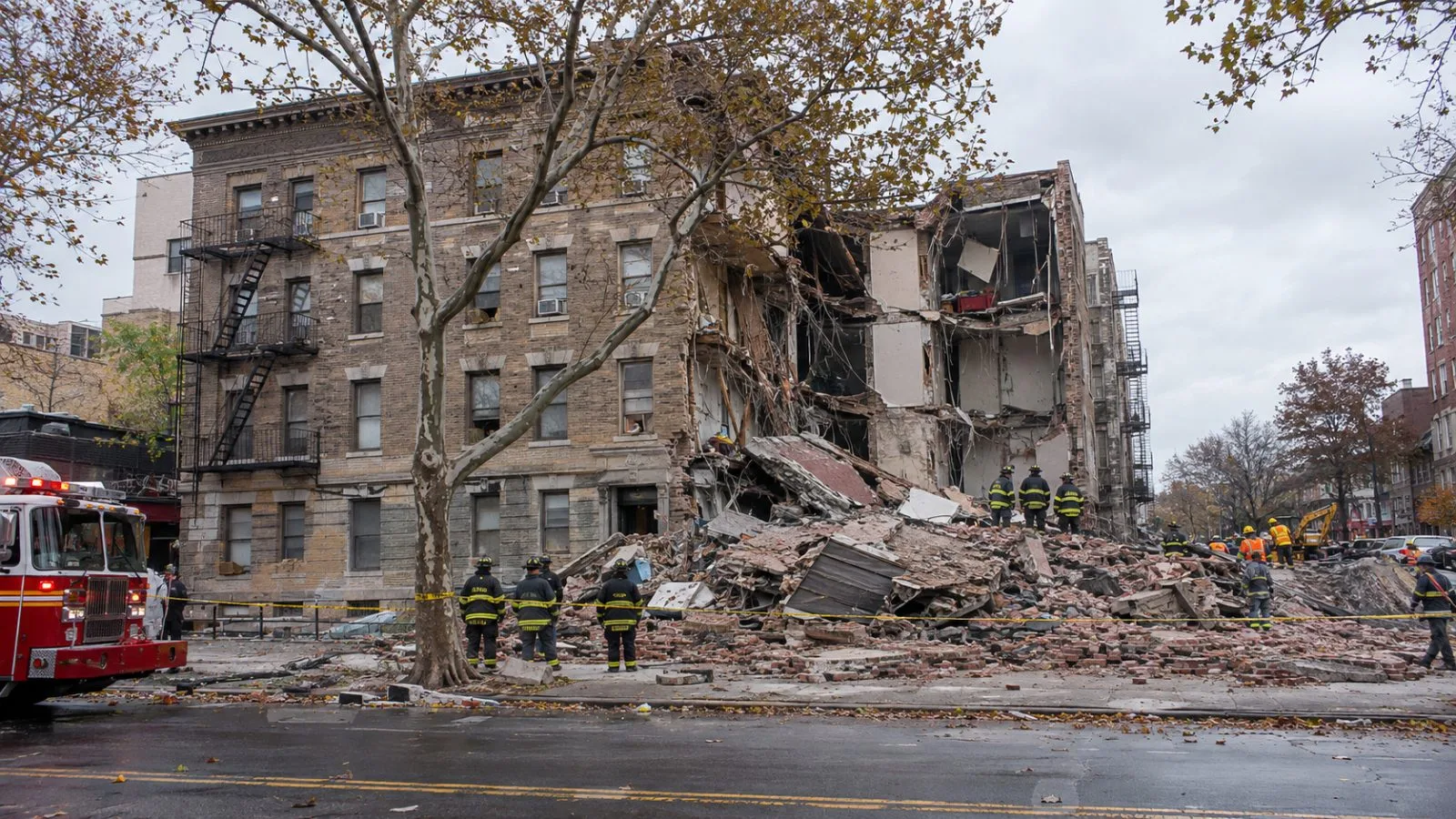
New York City plans to disband a New York City Police Department (NYPD) unit handling protests and counterterrorism, splitting those roles and limiting tactics used during demonstrations.
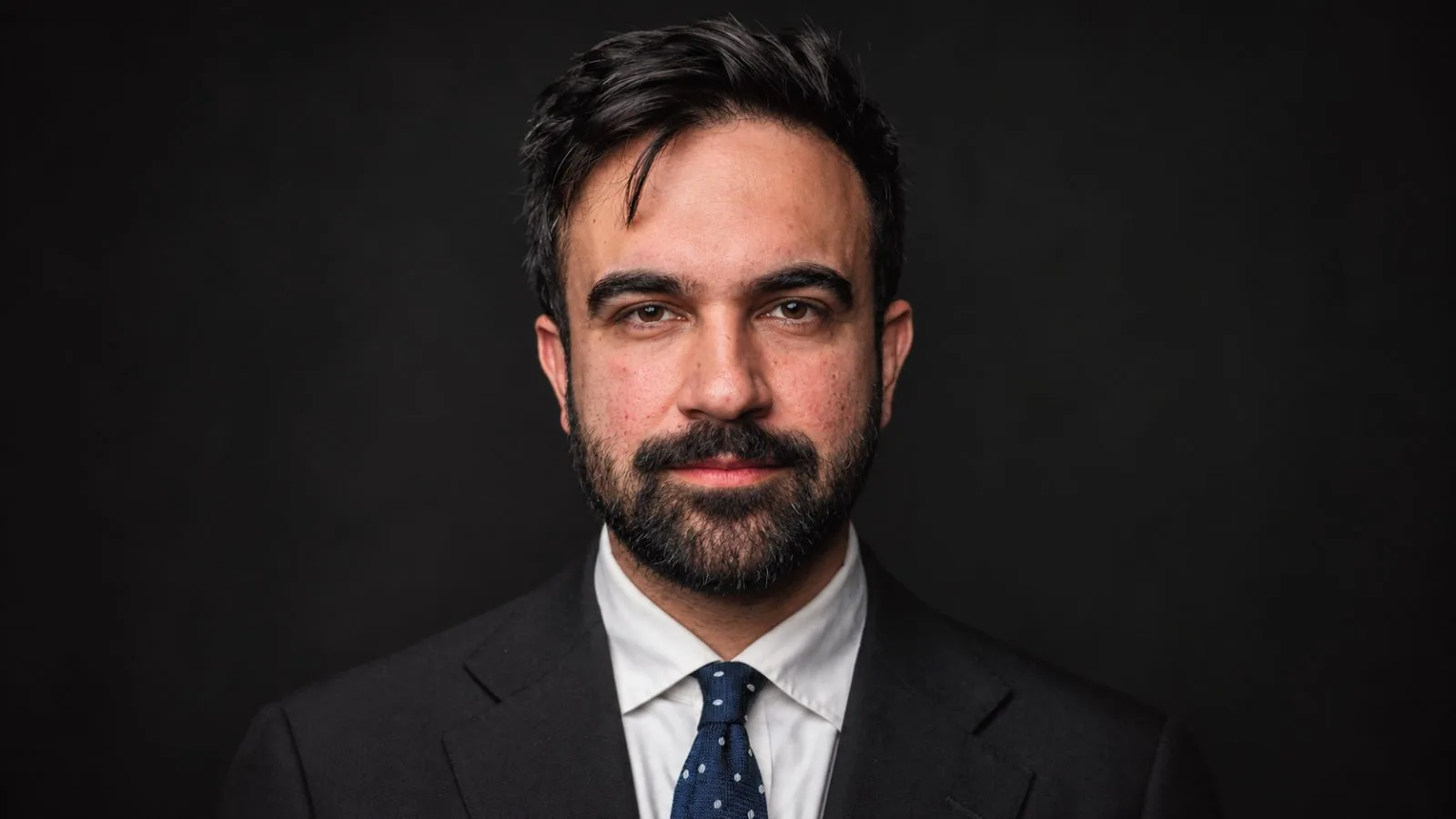
Mayor Zohran Kwame Mamdani and Police Commissioner Jessica Tisch announced the plan Nov. 16. It would create a civilian Community Dialogue and De-escalation Division in the Mayor’s Office of Community Safety, without authority to carry weapons or make arrests. While that division is established, the NYPD’s First Amendment Support Team in the Community Affairs Bureau would lead communication and de-escalation with 30 uniformed officers trained for the work.
A new Patrol Support Division within the Patrol Services Bureau would assist with crowd management. Its vetted officers would spend most of their time on patrol and could make arrests at demonstrations in rare cases when necessary. The city has not announced a staffing figure for the division.
The Strategic Response Group (SRG) combines protest-response and counterterrorism functions. The NYPD says it has responded to large demonstrations, public disorder and major citywide events. Under the plan, its counterterrorism duties, including heavy-weapons deployments at critical infrastructure, would move to the department’s existing Intelligence and Counterterrorism Bureau.
During First Amendment activities, the plan would bar kettling, long guns and tear gas. Pepper spray would be prohibited as a crowd-management tool, and long-range acoustic devices would be capped at 90 decibels. Officers also could not use bicycles as weapons except when needed to prevent death or physical injury.
The city described the changes as budget-neutral and said total NYPD staffing would remain level. Mamdani said the approach would prioritize “dialogue, engagement and de-escalation.”
The city said the Patrol Support Division would work with dialogue teams on First Amendment activities, building on reforms agreed to in the 2023 Payne protest settlement. The case challenged NYPD conduct during 2020 racial-justice demonstrations. Plaintiffs alleged excessive force and arrests without probable cause; the agreement resolved injunctive claims without an admission of fault or liability.
Mamdani said the changes address key reforms sought by City Council Member Chi Ossé’s CURB Act. The City Council’s record lists the bill in the Committee on Public Safety.