Nigeria’s annual inflation eased to 14.06% in October, while monthly inflation accelerated and food prices fell more slowly, a split that matters for judging consumer-cost trends, official data showed.
The National Bureau of Statistics said the annual headline rate was down from 14.63% in September and 18.97% in October 2025. The bureau’s October Consumer Price Index report was published Nov. 16.
The monthly headline rate rose to 0.43% in October from 0.06% in September. The annual rate compares prices with the same month a year earlier; the monthly rate compares them with the previous month, so the measures can move in different directions.
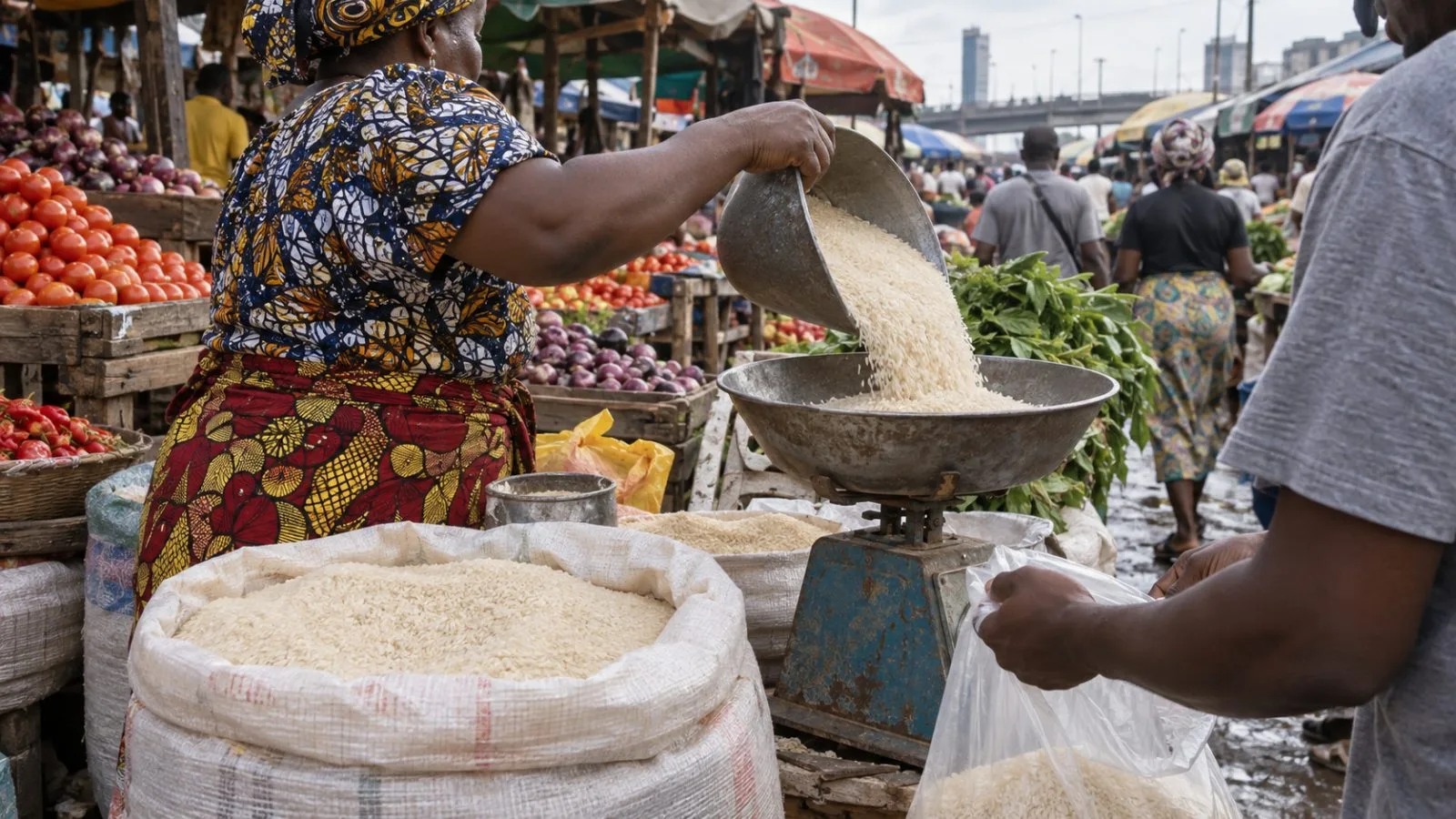
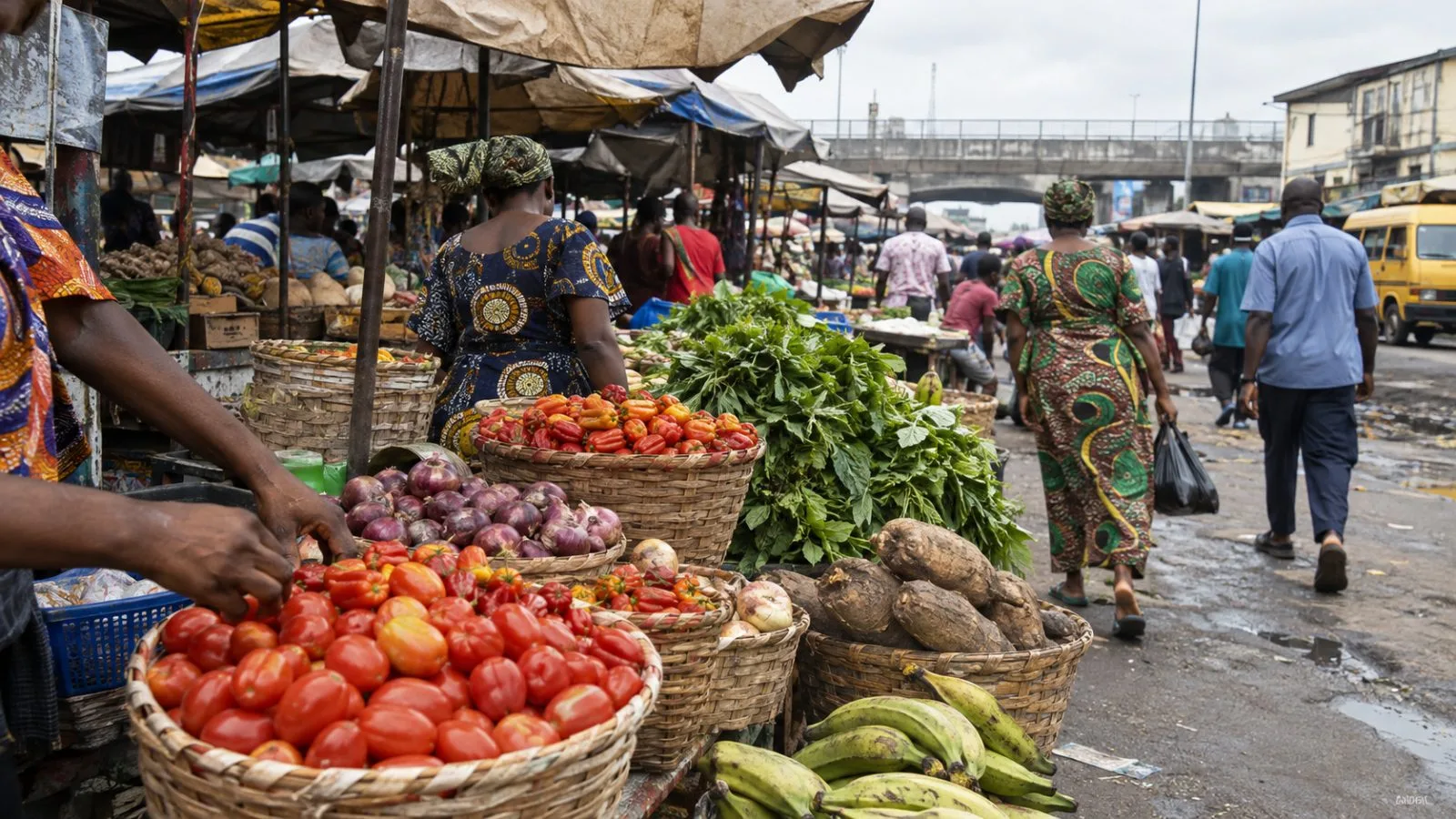
Annual food inflation eased to 19.13% from 19.59% in September, but remained above October 2025’s 16.30%. The food index fell 0.75% from September, following a 1.55% decline the prior month. That marked a second monthly drop, though the decline was smaller.
Premium Times reported that food affordability weighs especially heavily on lower-income households because food takes up more of their budgets. The outlet’s report linked that pressure to the share of household spending devoted to food.
Core inflation, which excludes farm produce and energy, was 10.78% year over year. The core index fell 0.53% month over month. The NBS’s rebased CPI uses 2024 as its base year and 2023 as its weight reference, covering 934 product varieties in 13 divisions.
October’s headline reading was above the 13.99% projection BusinessDay reported before the release, as covered in EconoTimes’ earlier preview.
The Central Bank of Nigeria (CBN) is scheduled to hold its next Monetary Policy Committee meeting Nov. 23-24. At its September meeting, the committee set the policy rate at 23%.