Nigeria’s liquefied natural gas (LNG) deliveries rose 30% year over year in January-October 2026, while domestic gas met only 65% of producers’ obligations in the first half of 2026, the International Energy Agency (IEA) said.
The gain amounted to about five billion cubic meters (bcm), bringing deliveries to their highest level since 2020. The IEA linked the increase to greater feedgas availability and more supply directed toward LNG processing, while fewer pipeline interruptions and regulatory measures supported upstream availability. Utilization at Nigeria LNG’s six-train complex also rose above 80%.
The agency placed Nigeria’s increase against wider disruptions after the Middle East crisis escalated and the Strait of Hormuz closure. Global delivered LNG supply fell 11 bcm, or 2%, year over year during the same 10-month period. Deliveries from Qatar and the United Arab Emirates dropped about 62 bcm, or 63%, the IEA said.
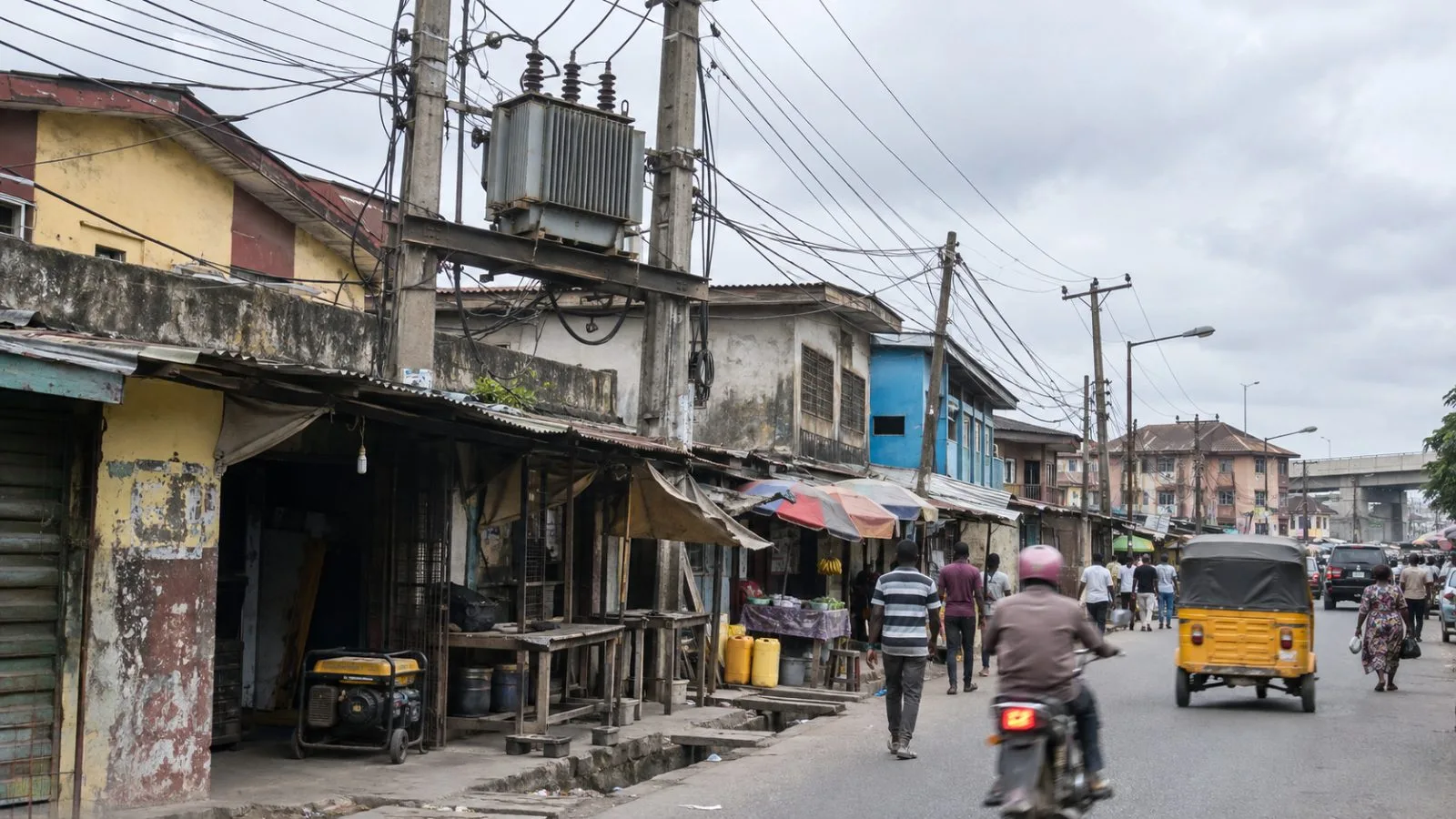
Gas supplied to Nigeria’s domestic market rose in the first half of 2026 but met only about 65% of producers’ domestic supply obligations, amid infrastructure, payment and market constraints, the agency said. It projects domestic gas demand to grow about 2% in 2026, led by power generation; fertilizer and petrochemical production, industrial heat, and oil and gas operations also contribute to demand. Nigeria is sub-Saharan Africa’s largest gas-consuming country, according to the report.
Across Africa, the IEA says domestic production meets most gas demand, but export infrastructure is often more developed than domestic transport and distribution networks. The report also recalls the 2022 global gas-supply shock after Russia’s invasion of Ukraine.
Train 7 entered pre-commissioning in 2026. Start-up is targeted for the end of 2027 if sufficient feedgas is available. The project would raise Nigeria LNG’s nameplate capacity from 22 million tonnes per year to 30 million tonnes per year.