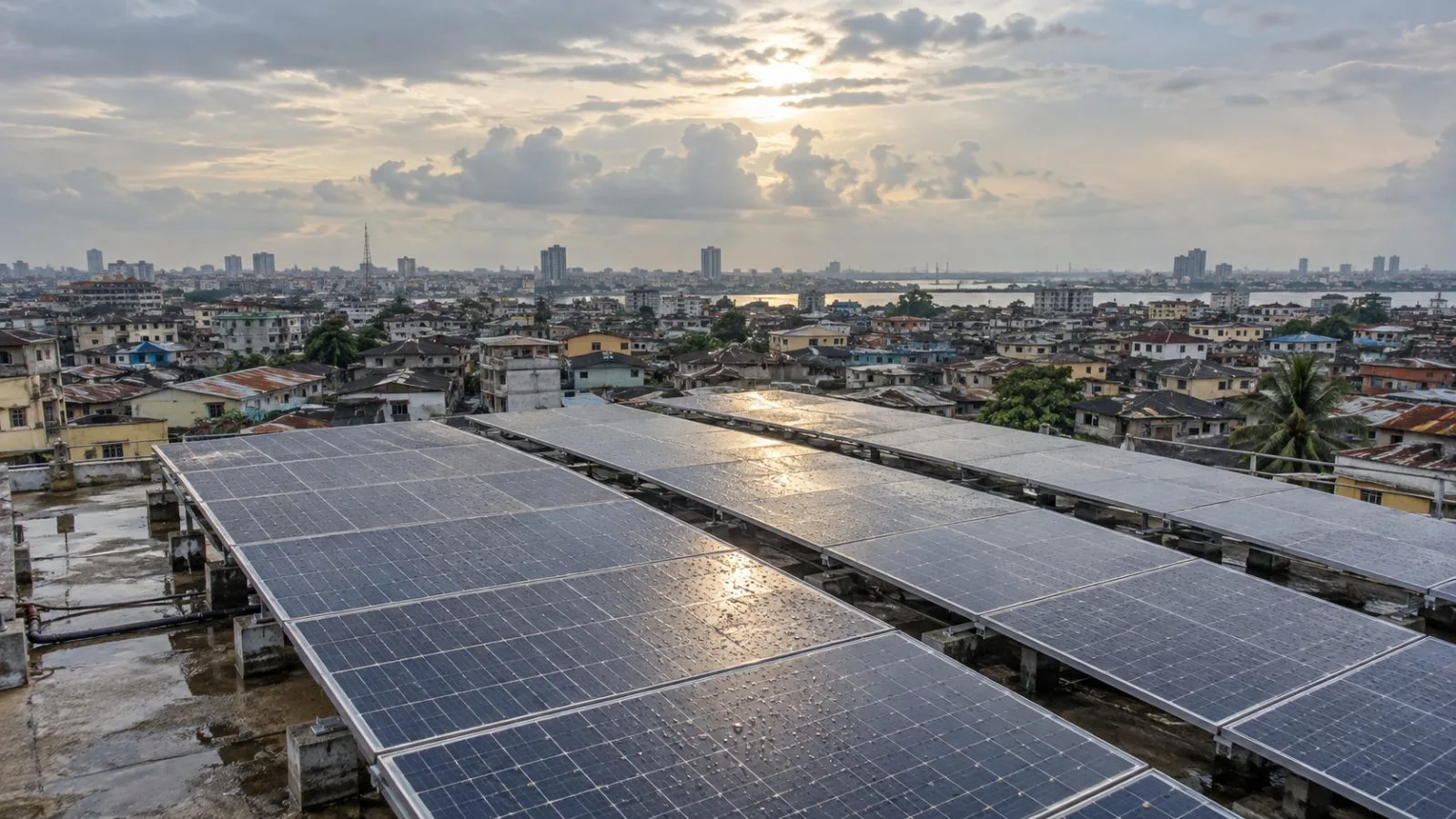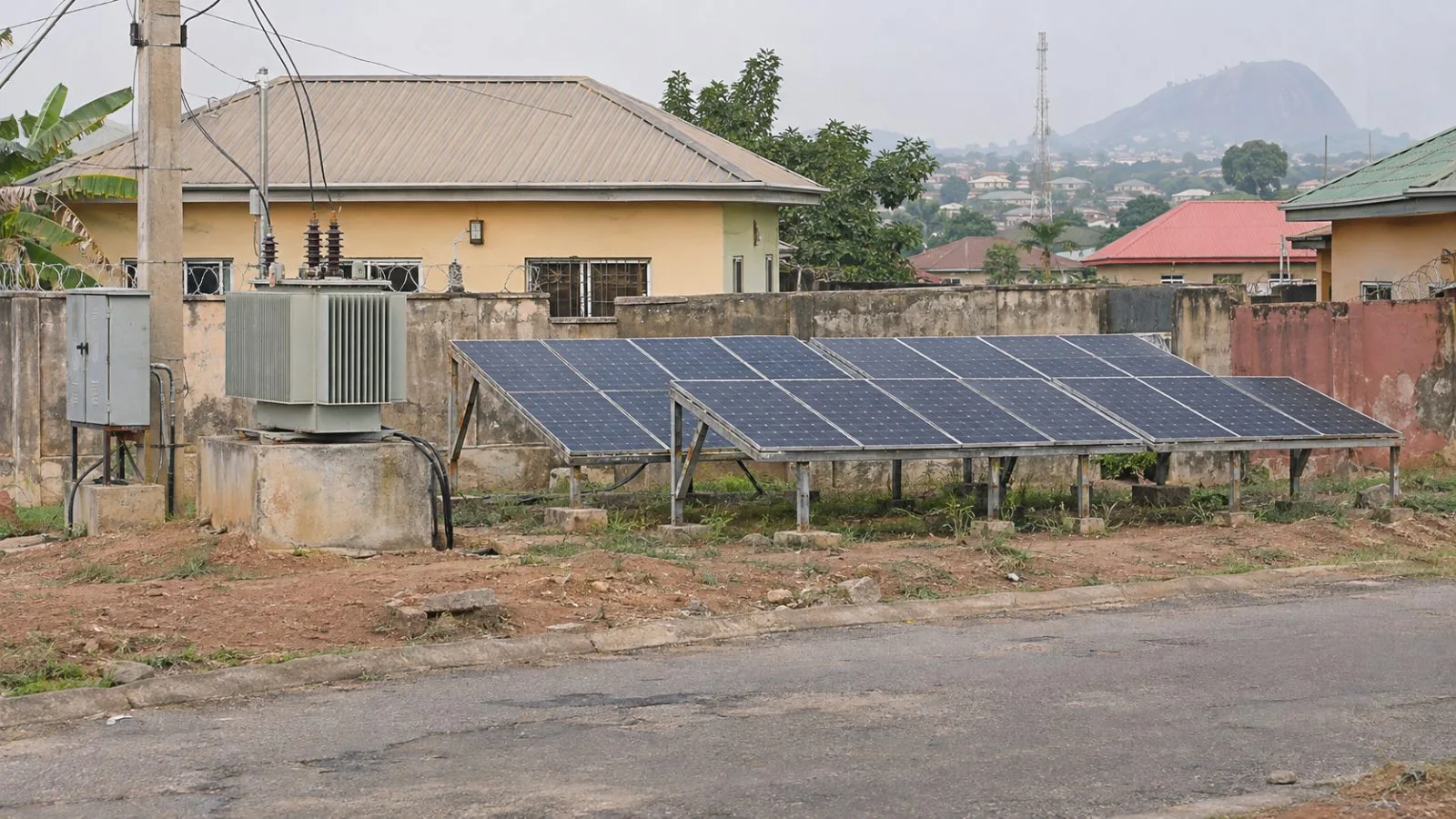
Nigeria has commercially launched a $300 million renewable-energy fund as its national plan estimates a $14.8 billion off-grid investment need through 2030, including last-mile electricity access.
The Nigeria Sovereign Investment Authority (NSIA) and Africa50 jointly manage the Nigeria Distributed Renewable Energy (DRE) Fund. Sustainable Energy for All (SEforALL) provides energy-access leadership, according to NSIA’s September commercial-launch announcement. The fund is intended to support mini-grids and standalone solar systems for underserved communities and businesses.
Nigeria’s National Energy Compact estimates the off-grid investment requirement at $14.8 billion through 2030, divided into $4.3 billion in public funding and $10.5 billion in private funding. The compact includes last-mile access in that total, placing the fund’s stated focus within a broader national financing requirement.
World Bank Group Managing Director of Operations Anna Bjerde described the Bank as a founding partner and said it had provided an initial $25 million from International Development Association (IDA) resources. NSIA tied the fund to Mission 300, a continental electricity program led by the World Bank Group and African Development Bank (AfDB) that aims to connect 300 million people by 2030. That goal applies across the continent, not solely to the Nigerian fund.
In March 2025, NSIA, Africa50, SEforALL and the International Solar Alliance (ISA) announced a DRE Nigeria Fund valued at $500 million. That announcement listed mini-grids, solar home systems, commercial and industrial power, embedded generation and energy storage as target areas. It also described plans to attract institutional investors, including pension funds and insurers, while addressing exchange-rate volatility, tariff design and limited access to financing in local currencies. NSIA’s September 2026 announcement gives the fund a $300 million size but does not explain how it relates to the earlier figure.
NSIA said the fund had advanced from setup into investment activity. It named no funded projects and disclosed no amount deployed.