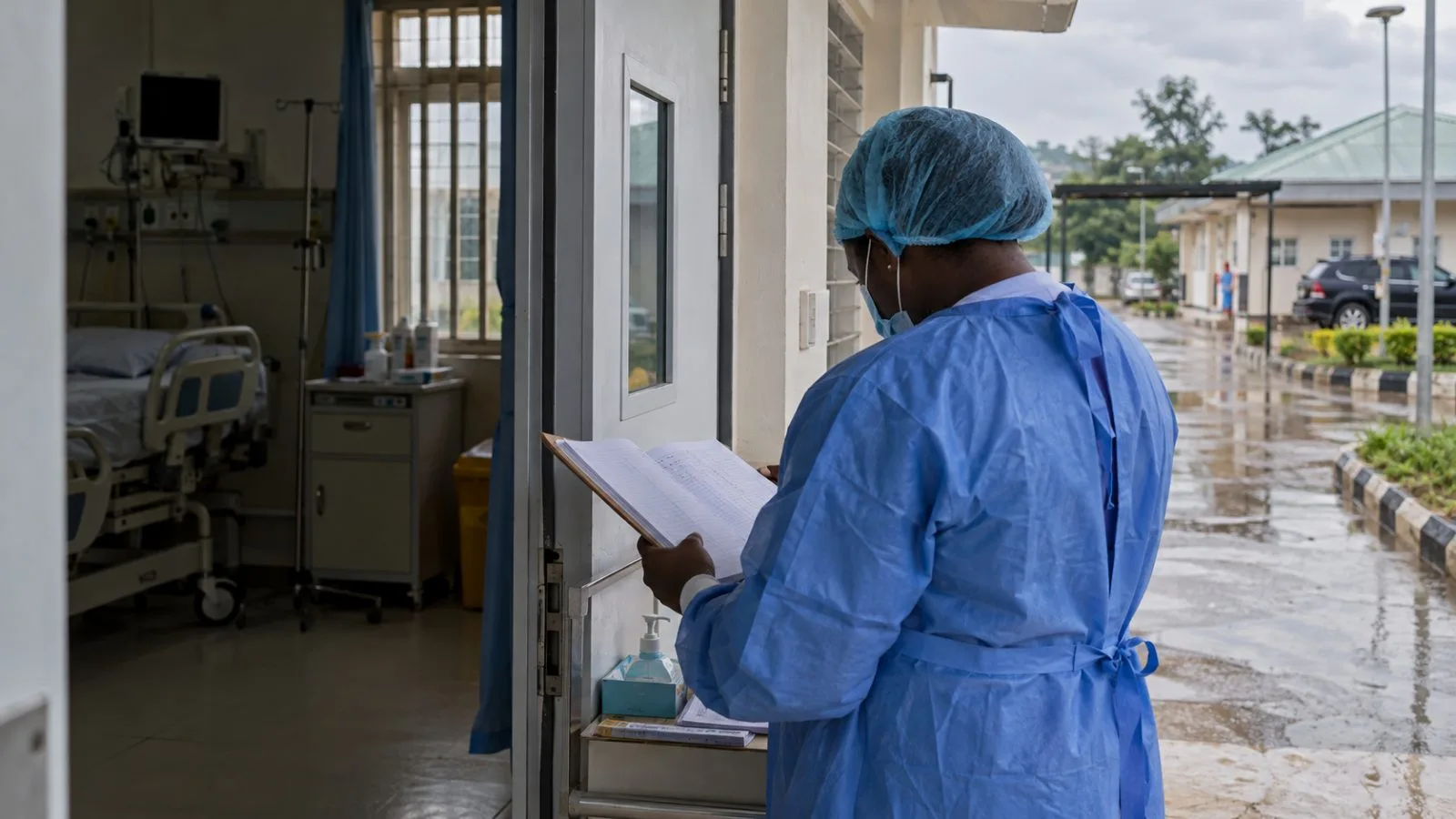
A University of Chicago research group forecasts the largest national heat-mortality increase in Nigeria for Sept. 2026 through Feb. 2027, with 31,400 excess deaths against matching-month mortality averages from 1996 to 2025.
The figure represents deaths above the model's historical comparison, rather than a forecast of all deaths in Nigeria. The researchers compare mortality estimates month by month with the average for the corresponding month in 1996-2025. The report does not provide a Nigeria-specific uncertainty interval.
For the six-month period, the Climate Impact Lab estimates 66,800 ± 2,700 additional deaths across the Sahel region, with Nigeria accounting for nearly half. It projects 17,500 in Sudan, 10,000 in Niger and 8,000 in Chad. The global estimate for the same period is 239,000 ± 11,000.
The lab applied regional estimates of temperature's effects on mortality across 24,378 regions to seasonal outlooks from the European Centre for Medium-Range Weather Forecasts (ECMWF) SEAS5 system. Its calculations include uncertainty from the 51-member forecast ensemble and from the mortality estimates. The lab says a fuller account of its methods will appear in a peer-reviewed journal.
The World Health Organization (WHO) says older people, infants, people with chronic illnesses and those who work outdoors are among the groups more vulnerable to heat. Job and living conditions, including whether cooling is available, also shape people's exposure.
WHO advises drinking water regularly, using shade or a cool space, and moving strenuous activity away from the hottest hours. It also recommends checking on people who may need help during hot weather.
Nausea, disorientation, dizziness or fainting can signal a medical emergency, WHO says. If heatstroke is suspected, call emergency services and help the person cool in shade or an air-conditioned place while help is coming.
The lab points to warning systems, local outreach, public cooling sites, water access, worker protections and stronger health services as ways to limit harm. It says it plans to refresh its interactive forecast during the six-month period.