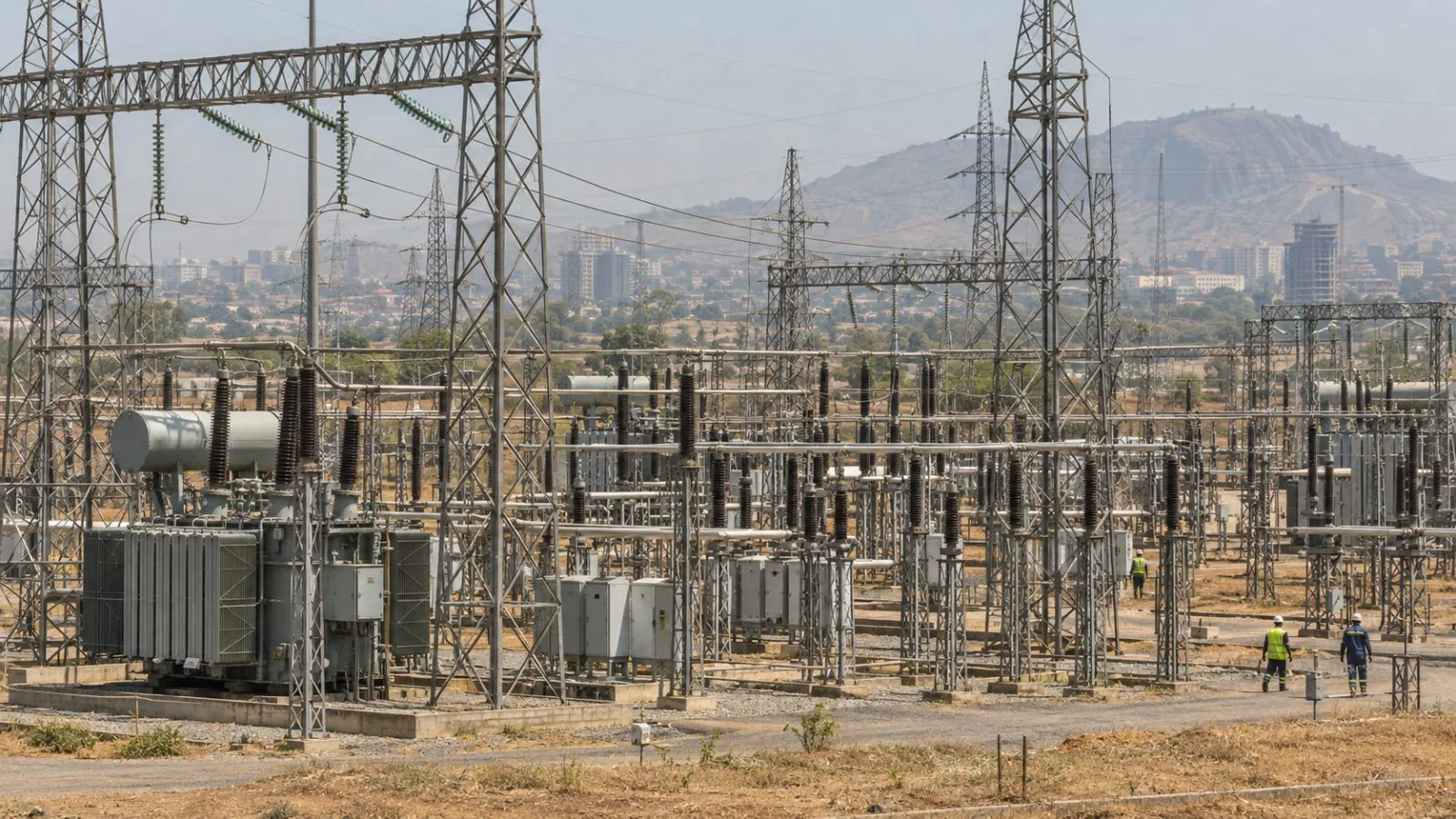
The Nigerian Electricity Regulatory Commission (NERC) put October’s average hourly generation at 4,047 megawatts, while FGN Power Company CEO Kenny Anuwe cited more than ₦10 trillion in government investment as Nigeria pursues a $1 trillion economy by 2030.
Anuwe made the estimate at the Power Correspondents Association of Nigeria’s annual conference in Abuja on Nov. 12. Nigeria’s Federal Ministry of Budget and Economic Planning has set the 2030 economic target.
NERC reported average available generation capacity of 4,744 megawatts in October, with plants using 85% of that capacity. The regulator also said average grid-frequency and voltage readings were outside prescribed operating limits.
A News Agency of Nigeria report said an address delivered by special adviser Martins Olajide on behalf of Power Minister Joseph Tegbe credited the Presidential Metering Initiative with metering more than 2.8 million customers. NERC’s separate national count showed 8,045,565 metered customers out of 12,749,789 active customers at the end of August; it did not identify how many were covered by the initiative. EconoTimes previously covered Nigeria’s metering gap and unfinished power-sector work.
The Federal Government raised ₦501 billion in January and ₦728.9 billion in September through two bond issuances, for about ₦1.23 trillion in total. The program is intended to settle verified overdue receivables owed to generation companies for electricity supplied from February 2015 to March 2025. On April 5, the Presidency said ₦223 billion of the first issuance had been disbursed. It also said officials had agreed on a ₦3.3 trillion figure for settling verified legacy claims.
In a Nov. 10 announcement, NERC said an order effective Nov. 2 approved ₦30 billion for Meter Acquisition Fund Tranche C. Installations are due by May 31, 2027, and customers cannot be charged for meters supplied and installed under the tranche.