A BusinessDay account of a Brussels forum says Nigeria’s proposed 30% raw-material processing threshold prompted questions about factory, power and financing capacity and how its timing could affect producers.
The fourth Nigeria-Belgium-Luxembourg Business Forum was scheduled for Wednesday through Friday, Oct. 28-30, in Brussels. Its organizer listed manufacturing corridors, critical commodities, logistics and agriculture among the agenda topics.
In an account published Sunday, Nov. 1, Collins Nweke reported in BusinessDay that Nigerian delegates supported retaining more processing value at home while questioning whether factories, reliable electricity, machinery financing and buyers would be available. His account described the delegates’ views without naming them or quoting them directly.
Nweke argued that a single threshold may not fit commodities with different processing needs. He also warned that farmers, miners and other primary producers could be disadvantaged if export restrictions took effect before local processors could buy available supplies.
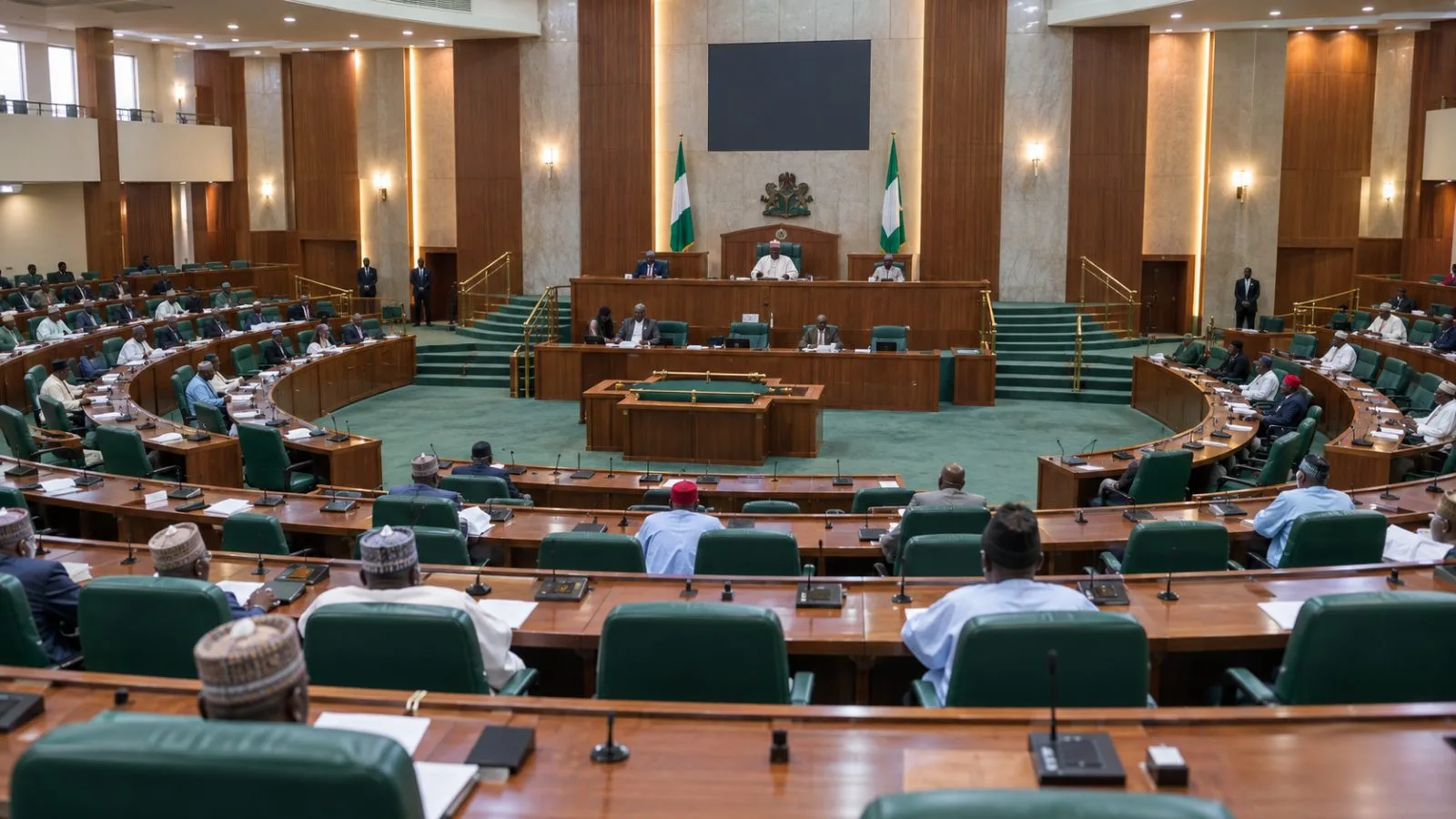
The proposed 30% minimum appears in an amendment to the Raw Materials Research and Development Council Act. The council describes domestic value addition as a way to promote local processing. On Oct. 20, the National Assembly Library Trust Fund reported that the Senate rescinded its earlier passage of the Raw Materials Research and Development Council Act (Amendment) Bill, 2026, recommitted it for further scrutiny and then passed it for a third reading. The update did not confirm subsequent House action or presidential assent.
The council’s project page describing the proposal was posted Nov. 10, 2025, before the Senate’s reconsideration.
The Senate update gave no date for another decision on the bill.