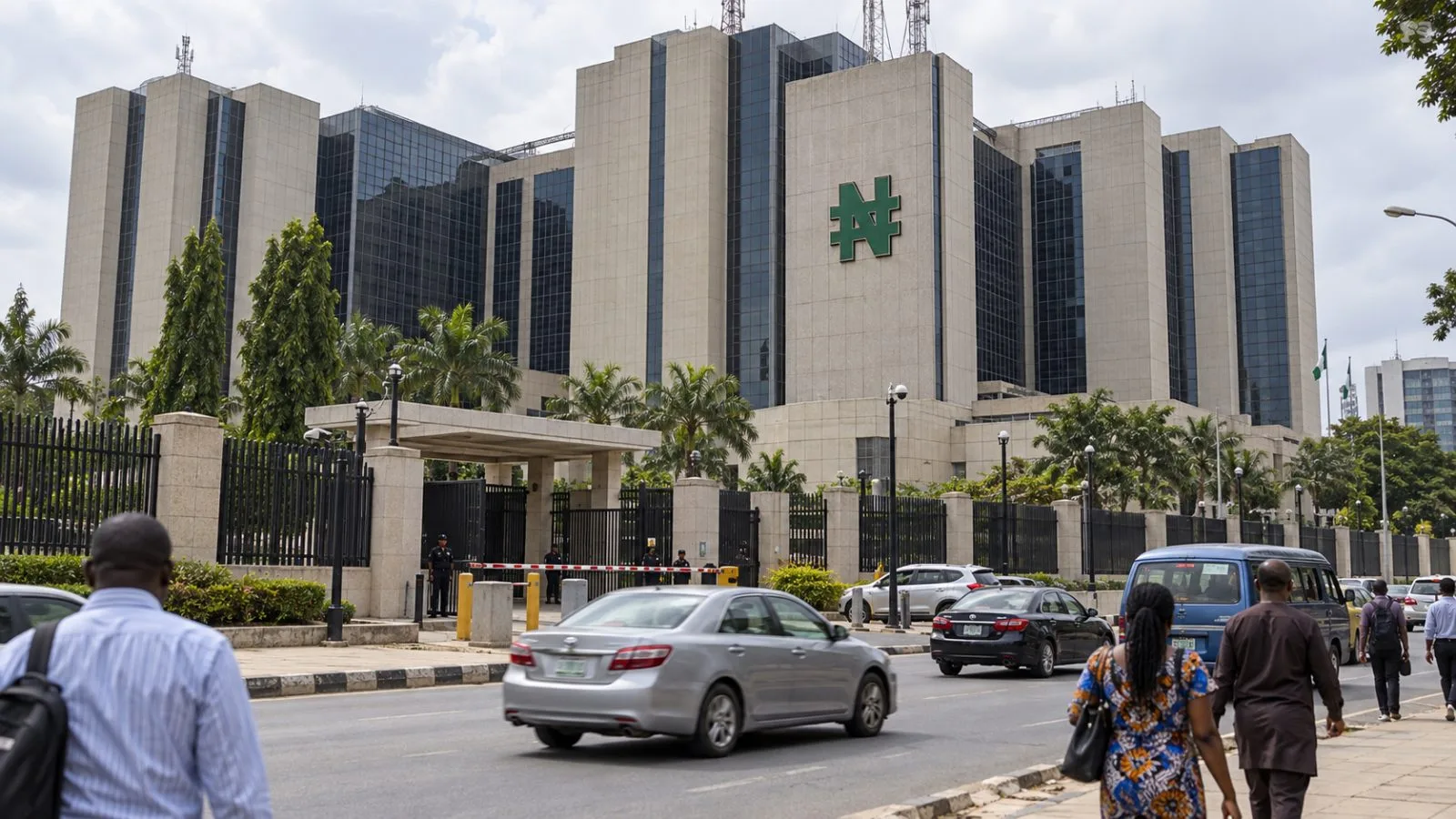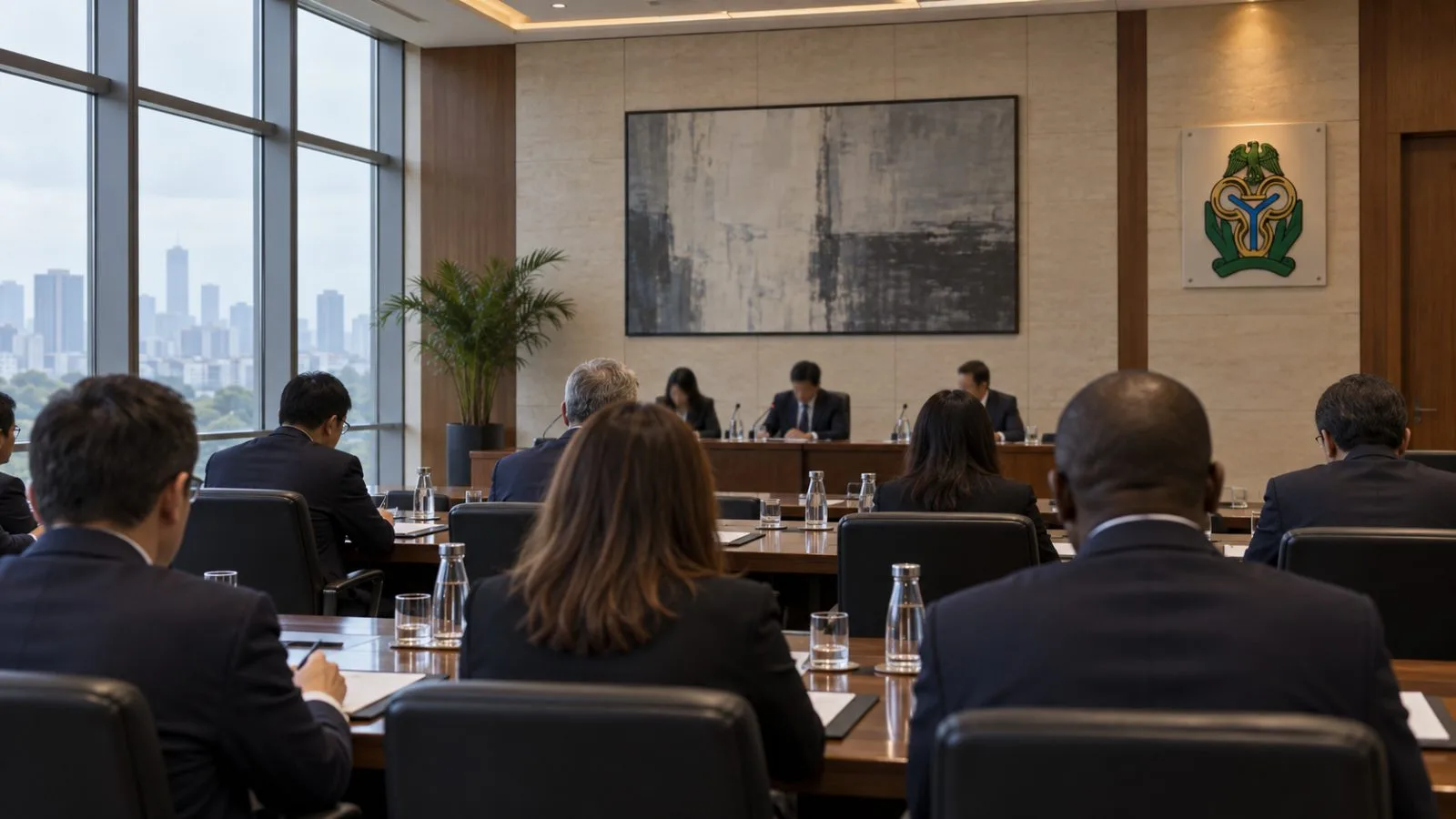
Nigerian financial institutions must configure automated anti-money-laundering systems around their own risk profiles under Central Bank of Nigeria (CBN) standards, putting firm-level controls at the center of compliance.
The rules require institutions to record recurring risk assessments across their operations and individual business lines, then use the findings to configure monitoring. System settings must reflect each firm’s scale, exposure, business model, transaction activity and complexity.
A circular dated March 10, 2026, gave deposit money banks 18 months from issuance to comply fully and other covered financial institutions 24 months. Institutions also had three months to submit a roadmap. A March 31 guidance note set June 10, 2026, as the deadline for implementation plans and said compliance would be reviewed at each institution.
FATF removed Nigeria from its increased-monitoring list on Oct. 24, 2025, after the country completed its action plan. The nine areas included risk-based supervision, preventive safeguards for higher-risk sectors, access to beneficial-ownership information and financial-intelligence sharing. FATF urged Nigeria to keep working with GIABA to preserve progress in its anti-money-laundering and counter-terrorist-financing system.
The CBN’s June 2024 risk assessment, which covered January 2021 through December 2023, rated money-laundering and terrorist-financing threats higher in banking than in other financial subsectors, which it classified as medium to low. The assessment also cited difficulties collecting data and limits on information technology tools and budgets.
The CBN said delisting could reduce compliance costs and improve businesses’ and households’ access to international finance. After Nigeria’s removal, CBN Gov. Olayemi Cardoso said, “Our priority now is to consolidate these gains ...”
In a Nov. 4 opinion article for BusinessDay, Kingsley Eiguedo Okoeguale argued that institutions should judge risk reviews by whether they lead to better decisions and controls. The CBN has said it will assess compliance at the level of each institution.