Nigeria’s naira posted its largest weekly move in more than two years in the parallel market during Nov. 11–18, Verto said, as year-end and pre-election demand met sharply weaker dollar supply.
The parallel-market rate rose 6.5%, or 90 naira, to ₦1,475 per dollar from ₦1,385. The Nigerian Foreign Exchange Market (NFEM) rate climbed to ₦1,377 from ₦1,365, leaving a gap of about ₦98, or 7.1%, compared with roughly ₦20 a week earlier.
Total foreign-exchange inflows dropped 67% week over week to $807.6 million from $2.48 billion, according to Coronation Merchant Bank data cited by Verto. The latest total was the lowest in at least five weeks. Foreign portfolio investors supplied $176.9 million, the Central Bank of Nigeria provided $235.1 million, and exporters and importers contributed $246 million. Non-bank companies supplied $110.8 million.
Verto attributed the demand to year-end purchases, import requirements and pre-election activity. Buy orders on the Bloomberg Multi-Asset Trading System outnumbered sell offers by at least 10 to 1, while implied yields on non-deliverable forwards rose above 20%.
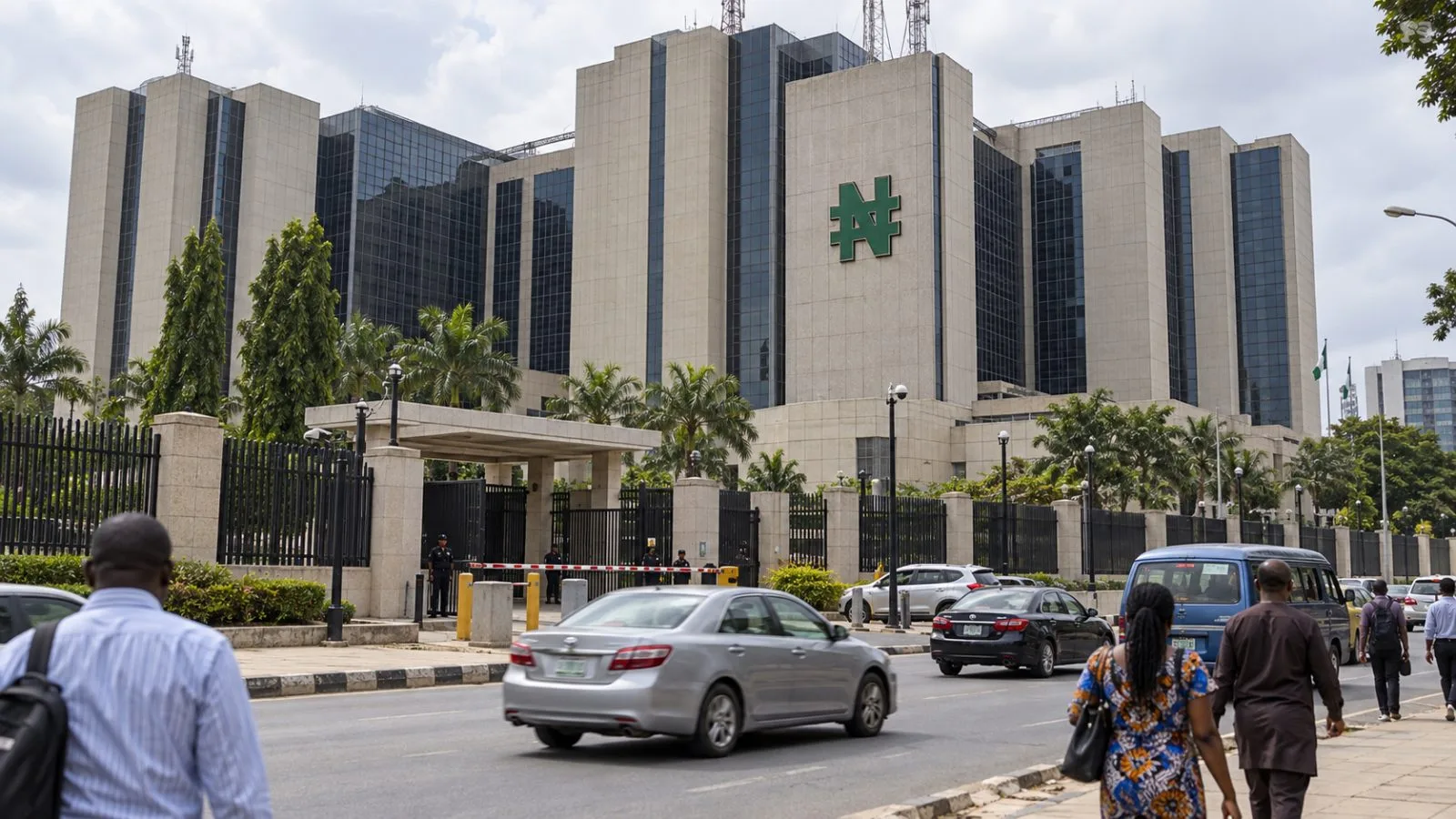
Verto estimated that the Central Bank of Nigeria had injected about $1 billion in recent trading sessions, including roughly $400 million sold on Nov. 19 within a three-naira band reaching ₦1,361.25. Commercial-bank Standing Deposit Facility balances stood near ₦8.31 trillion, Verto said, indicating substantial naira liquidity.
The State House said Nigeria’s 2026 budget authorizes ₦68.32 trillion in aggregate expenditure, including ₦15.8 trillion for debt service and ₦32.2 trillion for capital spending. The Federal Ministry of Finance projects ₦36.87 trillion in revenue and a ₦31.46 trillion deficit.
Verto said month-end corporate and remittance inflows could moderate pressure on the currency.