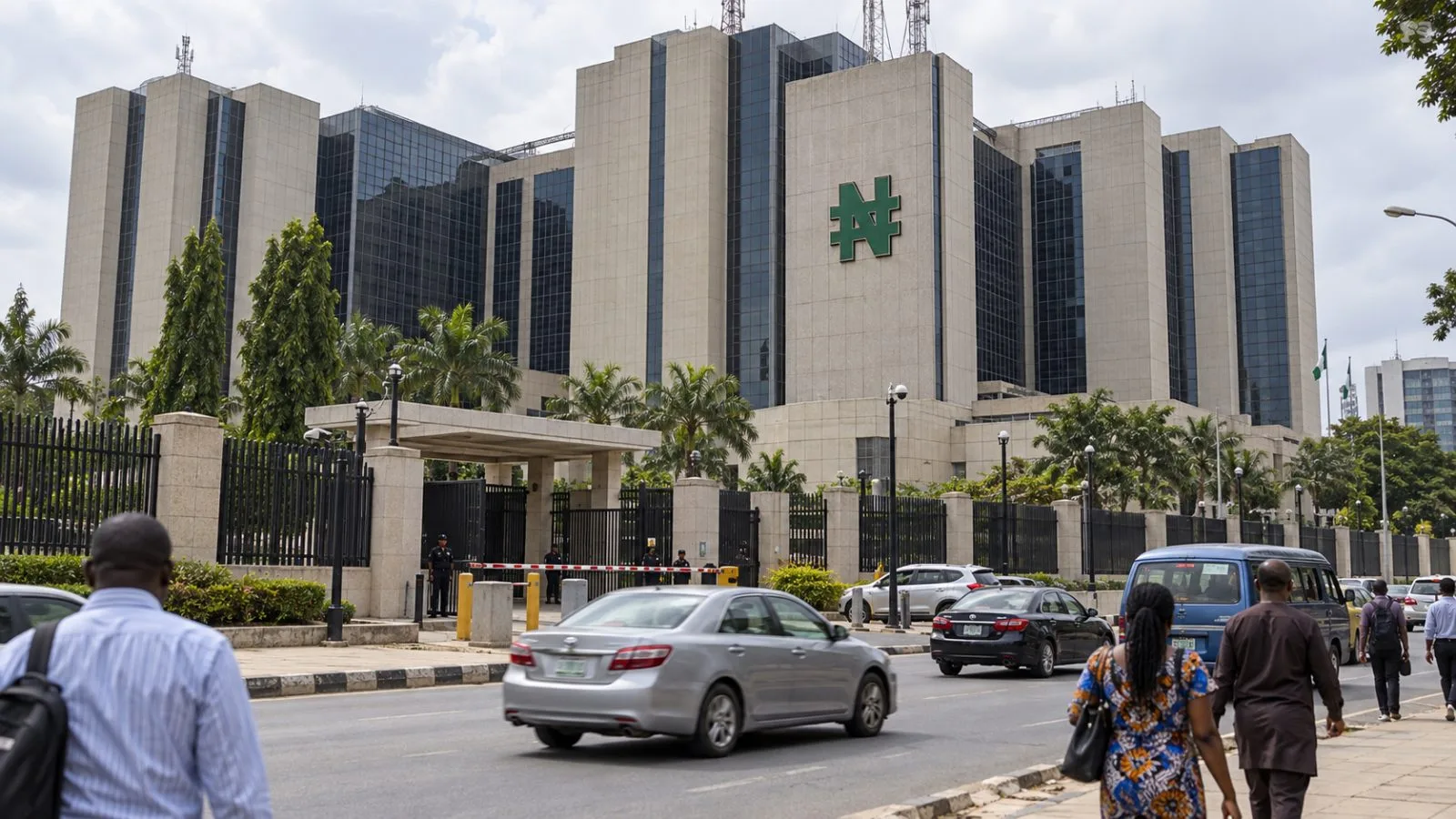
The Central Bank of Nigeria requires payment transaction data generated in Nigeria to be stored and managed there from Jan. 1, 2027, making the readiness of local infrastructure central to the change.
A CBN circular dated June 15, 2026, covers deposit money banks, microfinance banks, mobile-money operators, switching and processing companies, payment-terminal and payment-solution providers, super agents and other licensed payment-system operators. The CBN links the rule to rapid growth in electronic payments and concerns about market concentration, dependence on payment providers and their importance to the wider system.
The Nigeria Inter-Bank Settlement System (NIBSS) reported that electronic payment transactions totaled about ₦1.07 quadrillion across 11.2 billion transactions in 2024. NIBSS describes these as electronic payment transactions; the total is not limited to instant payments.
The deadline was reiterated at an October Lagos roundtable, Punch reported. CBN Payments System Supervision Department Director Dr. Rakiya Yusuf’s remarks were delivered on her behalf by Assistant Director Babatunde Ajiboye. “The compliance date hasn’t changed. It is 1 January 2027,” Yusuf said, according to Punch. The outlet reported that she called on institutions to account for transaction logs, audit trails and metadata, classify their data, arrange local architecture and contracts, then migrate, test and independently verify their work.
At a separate Lagos roundtable, industry executives and government officials told Punch that local data-center capacity could support the transition, while identifying specialized skills, pricing and fiber security as potential constraints. Punch also reported that increased demand could benefit local data-center, cloud and cybersecurity providers. Punch reported that some payment firms may need to change their architecture and do additional networking, security and application work.
The circular does not define which records fall under payment transaction data or give instructions on backup arrangements, recovery copies, processing outside Nigeria or remote administration. Covered institutions must meet the requirement by Jan. 1, 2027.