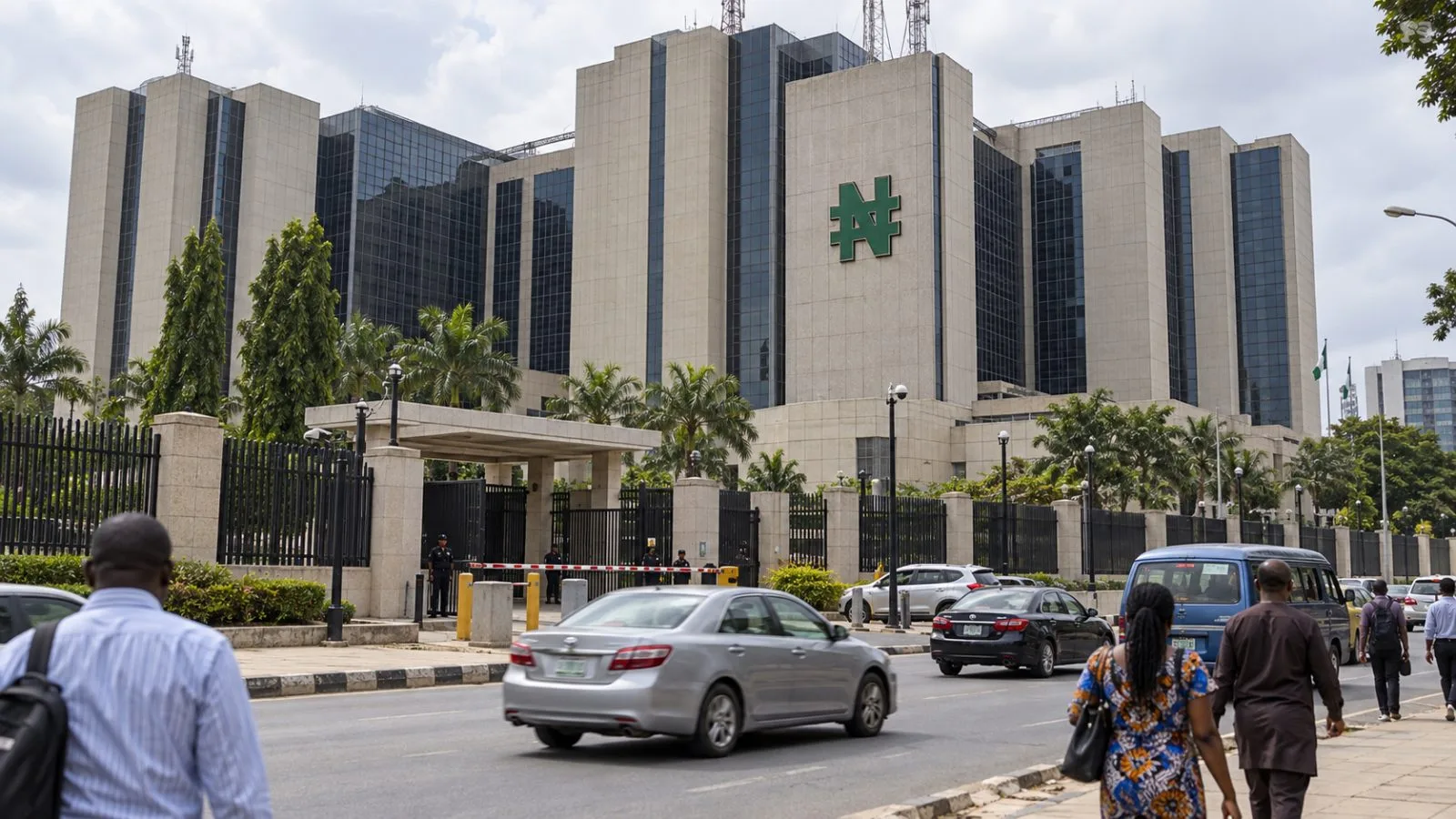
Nigeria’s Central Bank (CBN) changes to documentation rules for low-value cross-border payments have helped increase use of the Pan-African Payment and Settlement System, according to PAPSS deputy chief executive John Bosco Sebabi. He also credited approvals for fintech participation with supporting adoption, in a Nov. 12 interview with BusinessDay.
The CBN’s April 28, 2025, circular allows customers to use basic know-your-customer and anti-money-laundering documents already on file with their authorized dealer banks for PAPSS transactions below the equivalent of $2,000 per month for individuals and $5,000 per month for businesses. Above those thresholds, the bank’s full foreign-exchange documentation rules apply. The circular also allows banks to source foreign exchange for PAPSS settlements through the Nigerian Foreign Exchange Market without recourse to the CBN.
Sebabi told BusinessDay that PAPSS transaction volumes had grown by about 1,000% on average in 2026. The interview did not specify the comparison period or provide absolute transaction figures. Africa Briefing separately reported a roughly 1,000% year-on-year increase for an unspecified measured period, while noting that PAPSS had not disclosed the underlying totals.
Sebabi told BusinessDay, “We want those 32 countries to transact through PAPSS fully.”