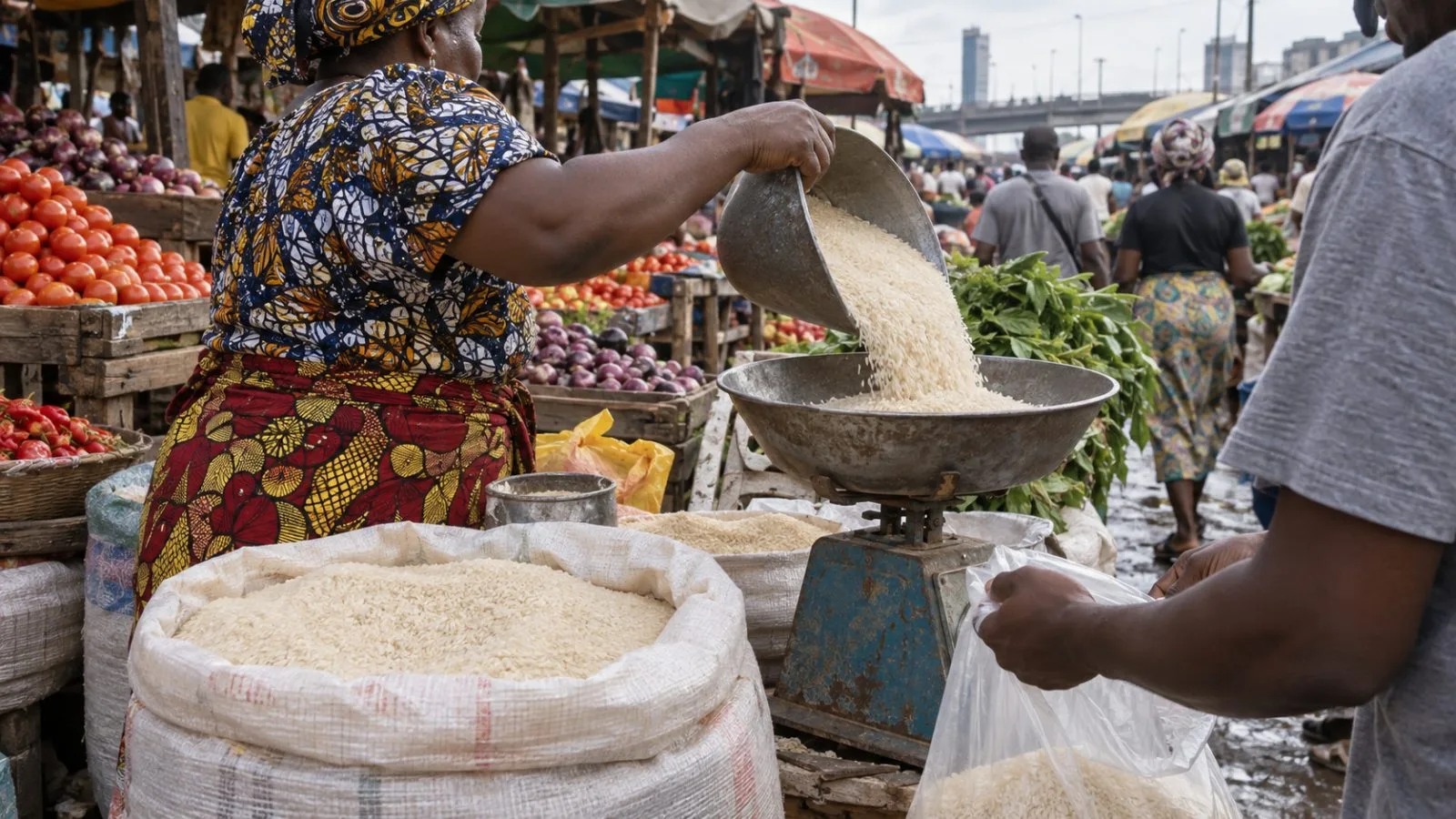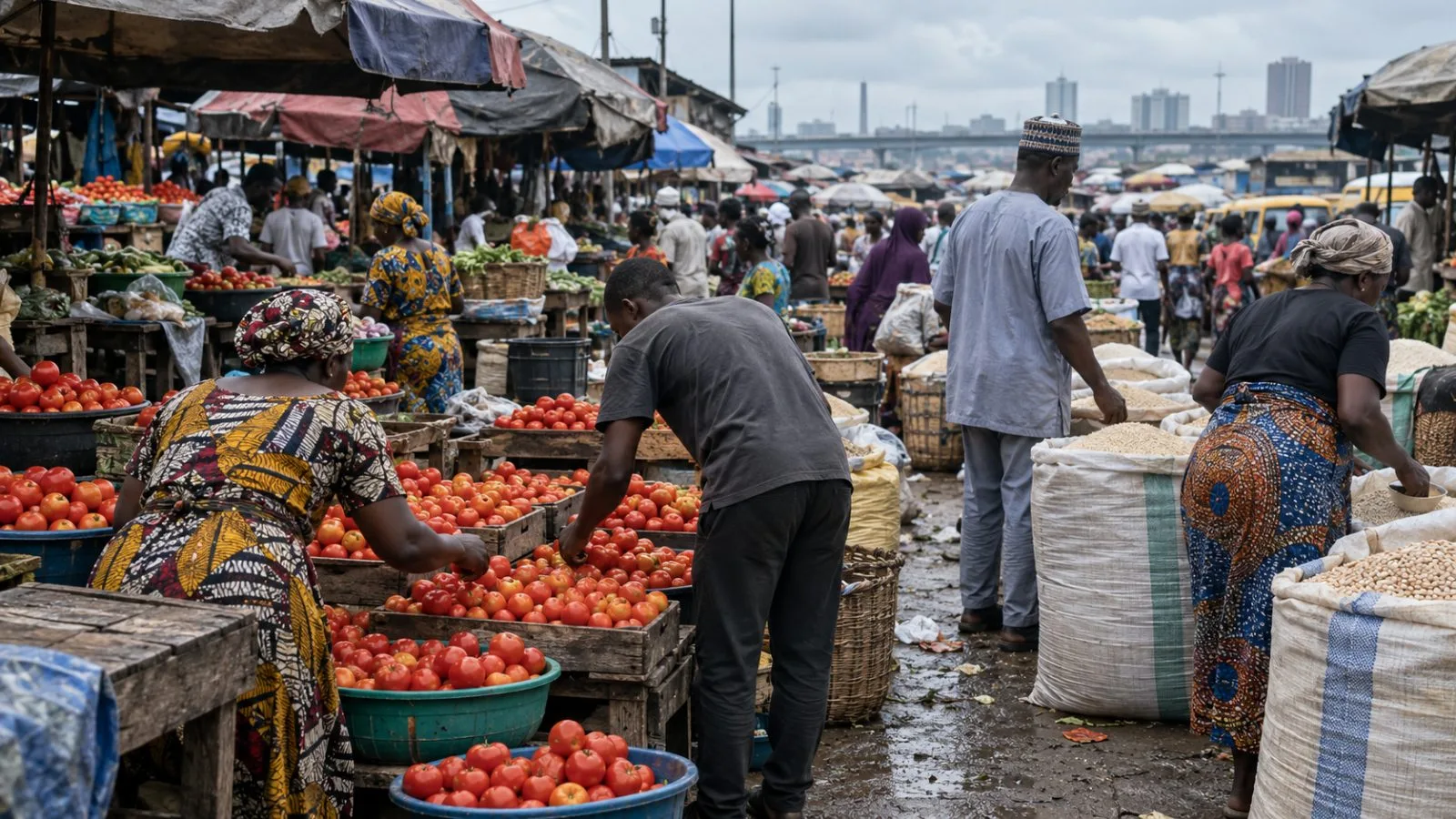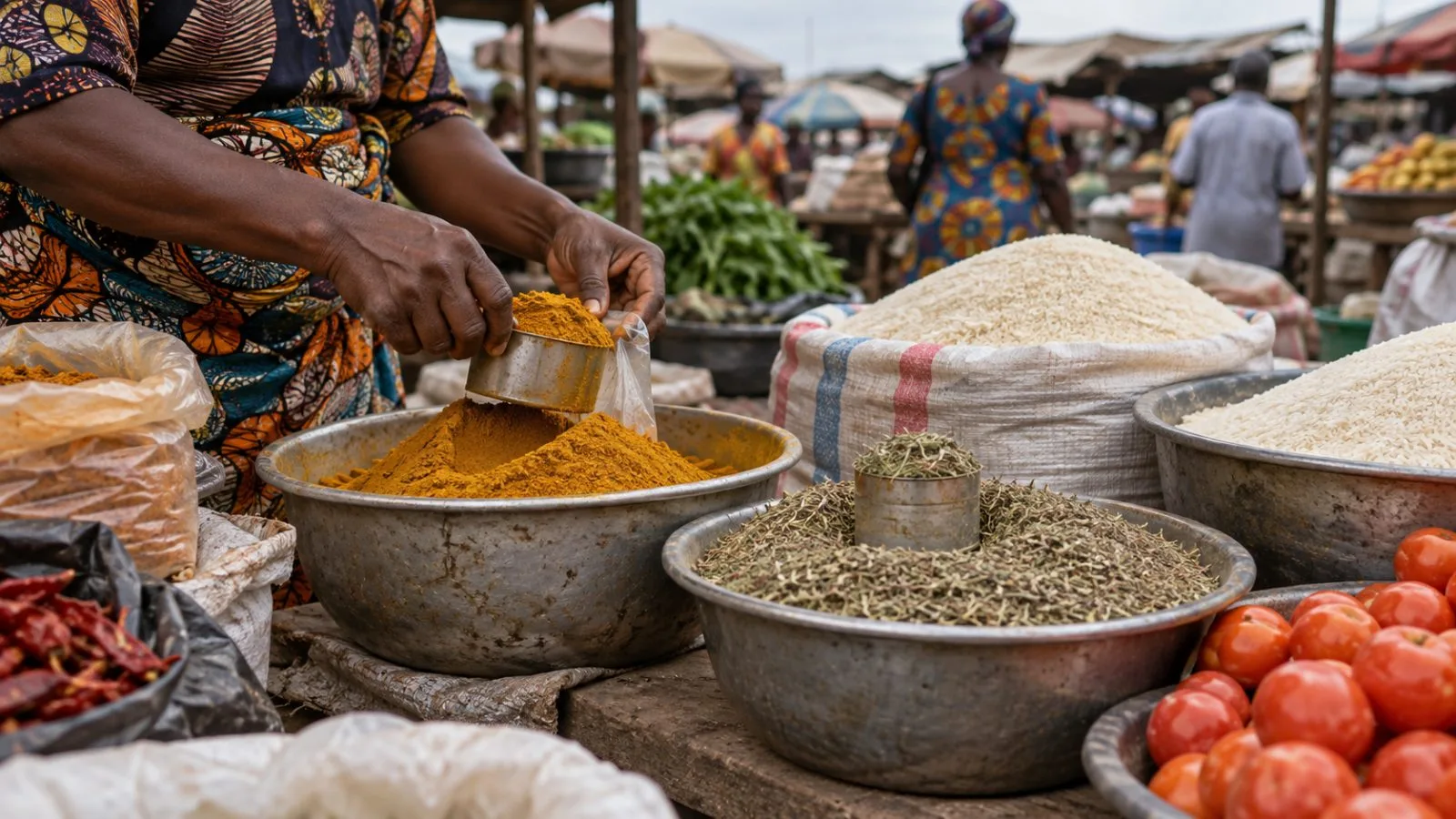
An error in ingredient prices recorded in Ibadan may have made Nigeria’s third-quarter jollof cost decline look steeper than it was, with an error-adjusted drop of 8.5%, BusinessDay and TheCable reported.
SBM Intelligence’s Jollof Index put the average ingredient cost for a family pot at ₦26,178 in September 2026, down from ₦29,578 in June 2026, which represents an 11.5% decrease. The accounts said curry and thyme prices recorded in Ibadan were too low; accounting for the error would put September’s average at about ₦27,055 and the quarter’s decline at 8.5%. The outlets reported the calculation, while SBM’s second-quarter release confirms June’s ₦29,578 baseline.
SBM’s second-quarter release says the Nigerian measure prices ingredients for a meal intended for five people across 13 markets; the full index also covers two cities in Ghana. In that release, SBM said it had rebased the index and standardized ingredient measures, including a switch from turkey to chicken. The index tracks a specific meal basket rather than the National Bureau of Statistics’ (NBS) broader consumer price measure.
Prices varied by location. The reports said costs at Lagos’ Trade Fair and Balogun markets fell 35.6% to ₦22,350, while Port Harcourt rose 2.6% to ₦32,000 from ₦31,200 in June. They attributed part of Port Harcourt’s rise to flooding; lower chicken and vegetable oil prices and improved harvest supplies contributed to declines in other markets. BusinessDay also reported that traders cut prices after customers stopped buying.
Consumers in most surveyed markets benefited from lower ingredient costs, while buyers in Port Harcourt faced a rise, the accounts showed. National inflation data gave a broader but distinct picture: the NBS reported food inflation at 19.59% year over year in September 2026. Headline inflation eased to 14.63% from 15.39% in August, the agency said.
SBM warned that seasonal relief from harvest supplies may not last as distribution costs remain high, TheCable reported.