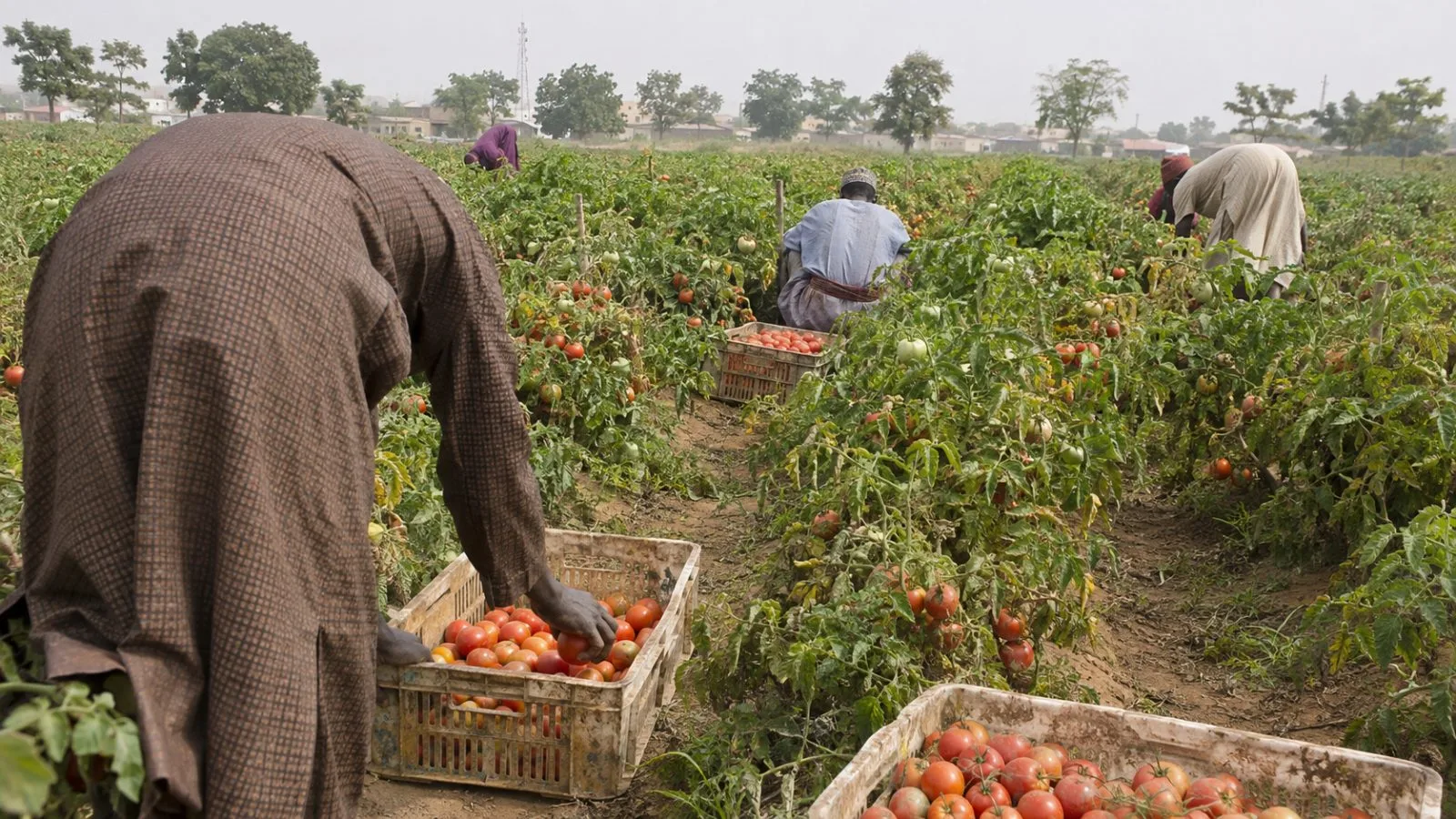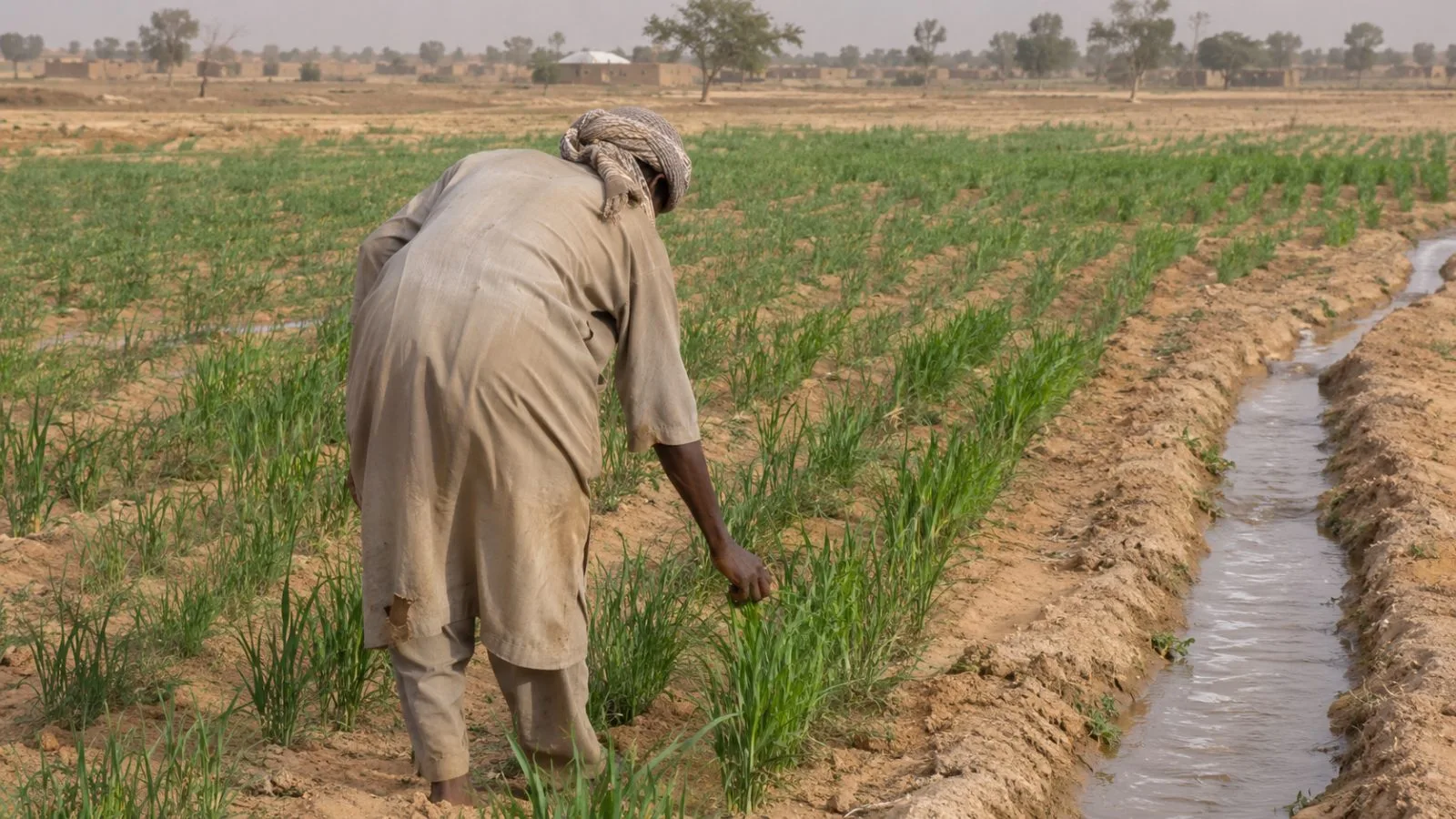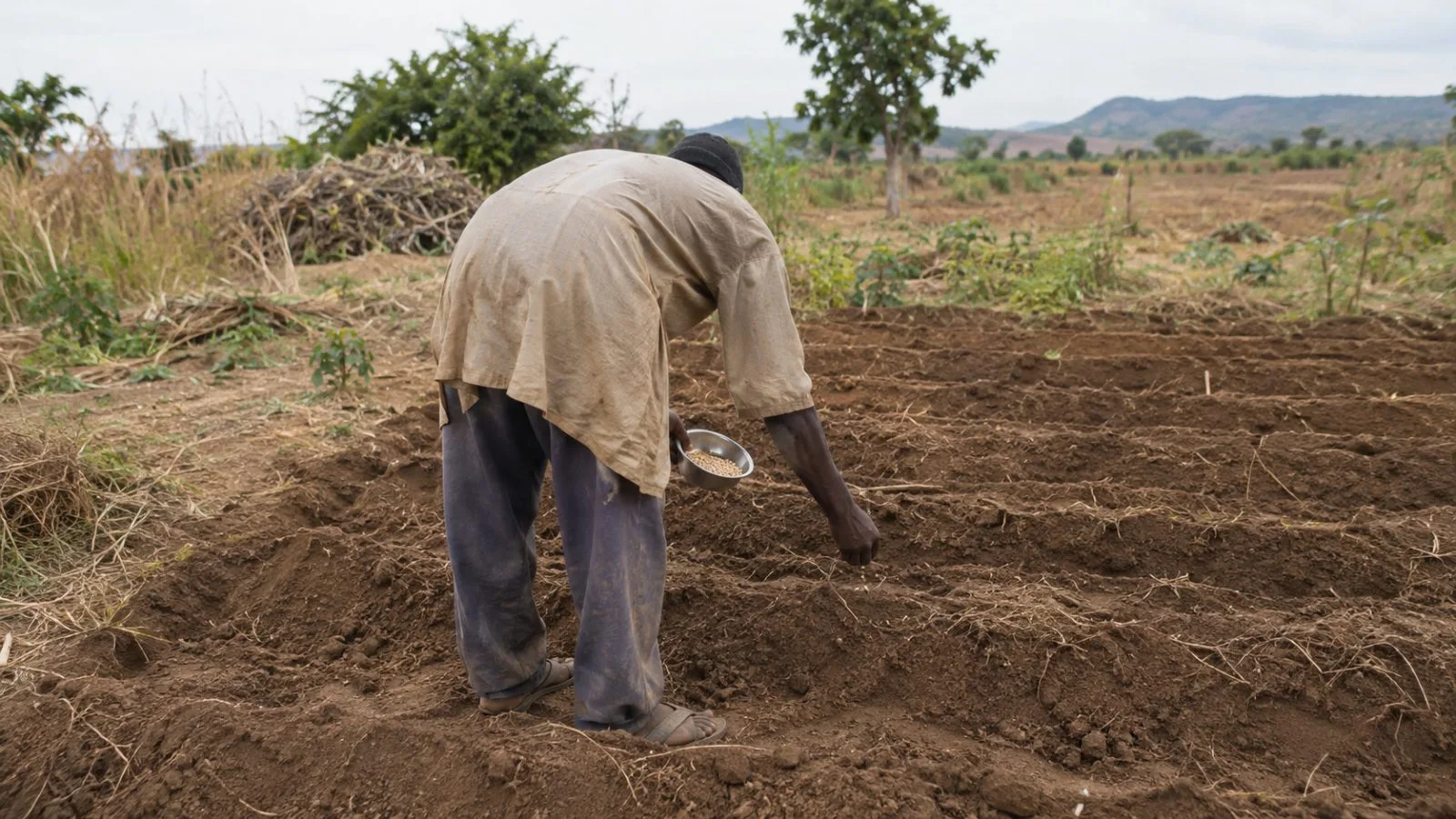
Some farmers in parts of Adamawa State are changing crops as input costs climb, while farmers also report smaller maize and rice harvests and higher prices, BusinessDay reported Nov. 15.
The Food and Agriculture Organization (FAO) said in a Sept. 16 assessment that rainfall through late August had supported vegetation and yield prospects across much of Nigeria’s far north, though it noted planting delays in parts of the northeast. FAO reported that fertilizer prices rose 12% for NPK and 43% for urea between February and May 2026. The Famine Early Warning Systems Network (FEWS NET) said its October outlook found rainfall deficits in parts of the North East and North West, alongside production risks from high input costs. It also said costs and insecurity had constrained planting in accessible conflict-affected parts of Adamawa, Borno and Yobe.
Farmer Isa Engine told BusinessDay he had switched to soybeans, which he described as less costly to grow. Farmer Pwariks Joab told the newspaper that fertilizer and pesticide costs led him to plant cowpea.
Farmer Adamu Ganye told BusinessDay that a small bag of maize or rice cost about ₦35,000, up from ₦20,000 to ₦22,000 in 2025. He put the price of a large bag at about ₦46,000, compared with ₦28,000 to ₦30,000 previously. The report did not specify bag weights, market locations or collection dates, so the quotes cannot be directly compared with per-kilogram data. BusinessDay said farmers face higher cultivation and transport costs, while consumers, particularly low-income households, face higher staple prices. The newspaper also cited economist Titus Takodoba’s view that wholesaler stockpiling contributes to scarcity.
Nigeria’s National Bureau of Statistics (NBS) lists May 2026 as the latest release in its Selected Food Price Watch catalogue. Its May table lists Adamawa prices of ₦400 per kilogram for loose white maize and ₦1,350.42 per kilogram for broken local rice. Those figures predate the reported bag prices and use different units, so they do not confirm them.
FEWS NET identifies October through December as Nigeria’s main harvest period. It projects that rising supplies will ease staple prices through January 2027; if production is below average and stocks run low early, prices could rise again from late January or early February.