Nigeria’s National Economic Council (NEC) endorsed a 90-day cost-of-living plan but left household aid terms unspecified, giving families no public details on how to qualify or when support would start.
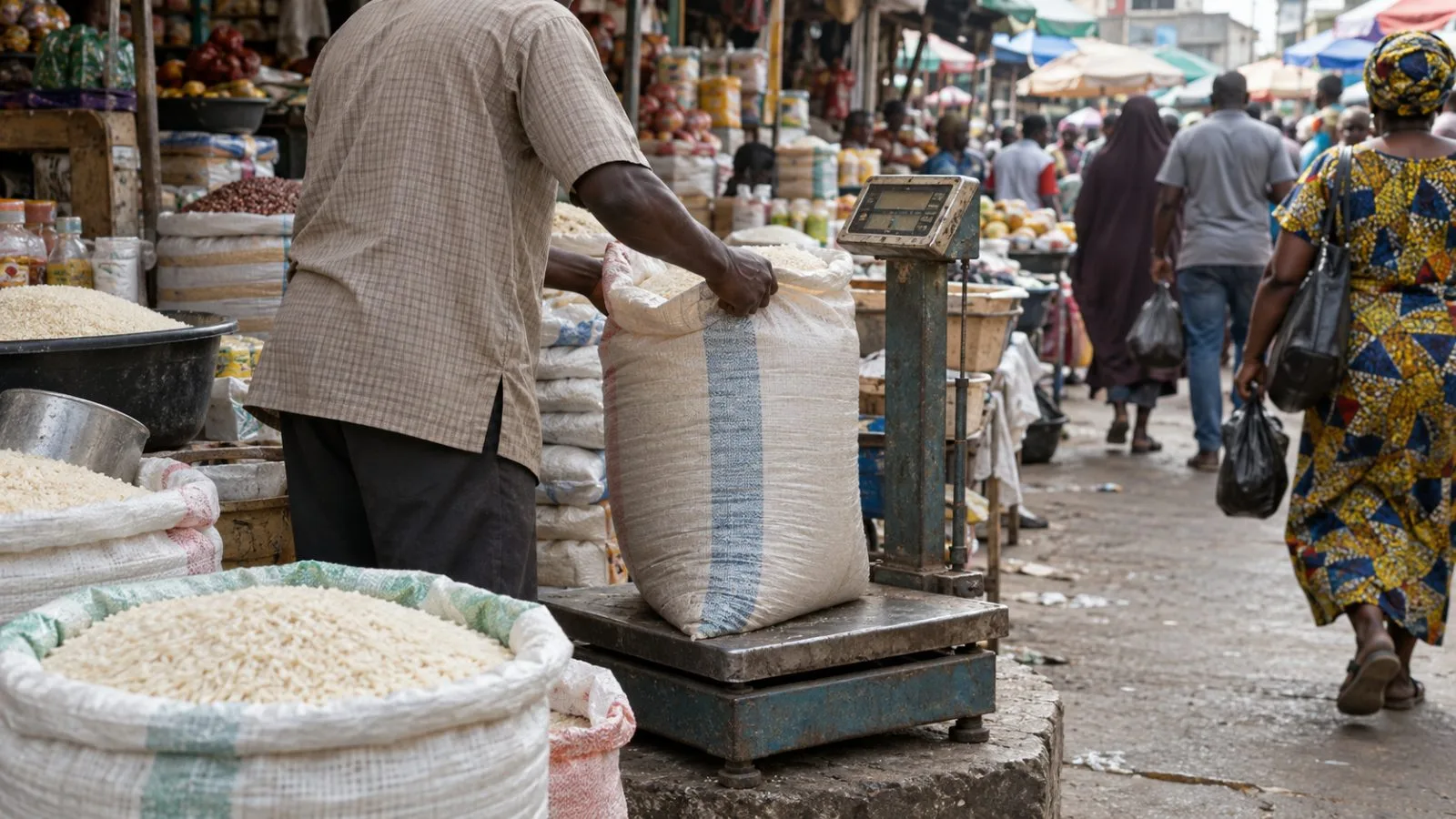
Vice President Kashim Shettima chaired the council’s Oct. 22 meeting, where Finance Minister Taiwo Oyedele presented the proposal. It covers food affordability, tax coordination, completion of high-impact projects, removal of investment barriers and a regulated form of household assistance.
The council also approved a nationwide dashboard intended to monitor projects and make the handling of funds freed by ending fuel subsidies publicly visible. The announcement lists no household payment amount, eligibility rules, application process or launch date. It also does not say when the 90-day period begins.
The opposition African Democratic Congress (ADC) has said the plan would end after the Jan. 16, 2027, election, a claim covered in EconoTimes’ earlier report on the party’s timing objection.
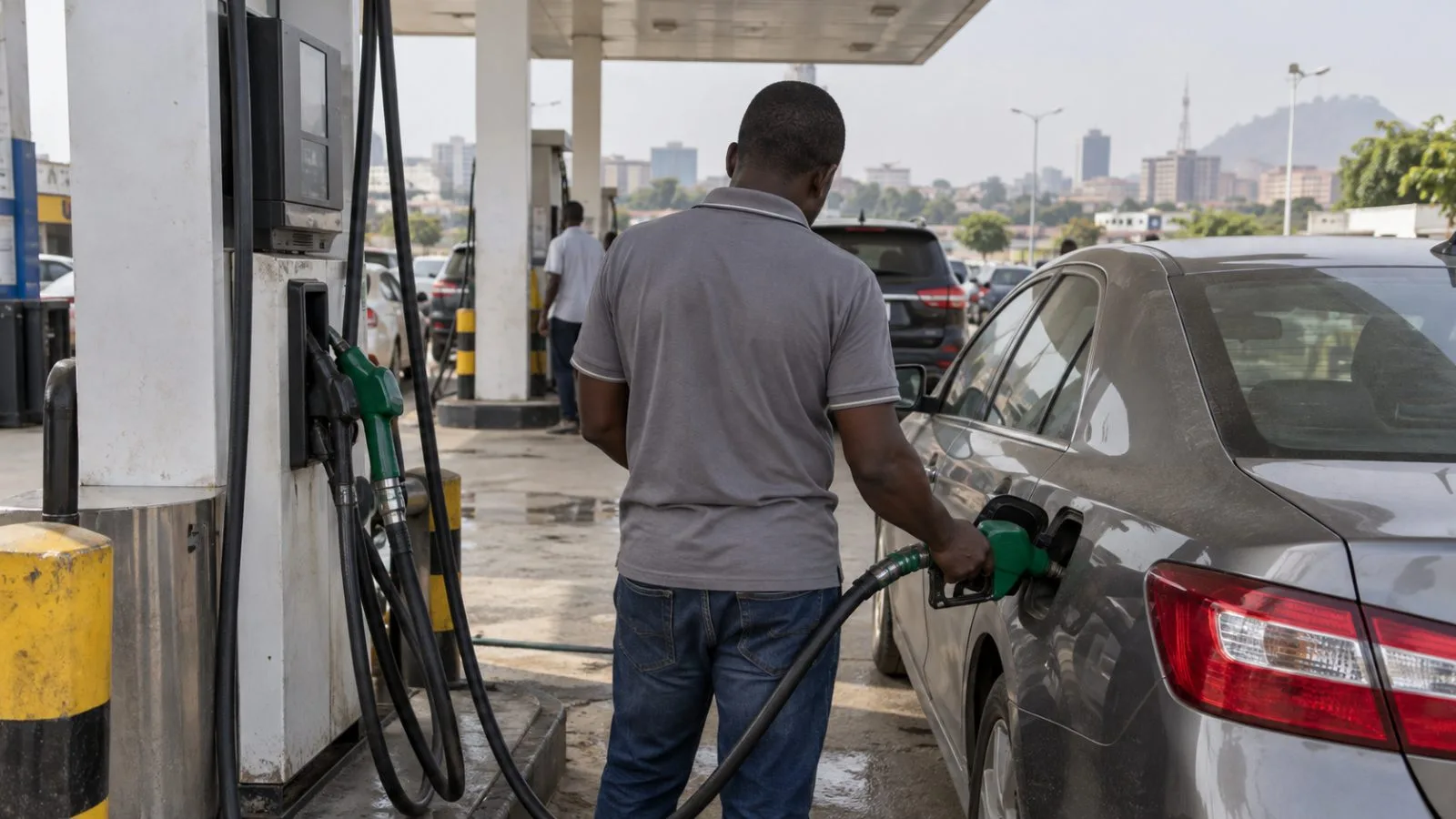
The Presidency and Nigerian National Petroleum Company Limited (NNPC Ltd.) gave different time frames and descriptions for a separate petrol offer. In an Oct. 8 notice, the Presidency said NNPC Retail would forgo its retail margin and sell petrol at cost during a 30-day offer, particularly for commercial vehicle operators. An NNPC statement dated Oct. 9 said its discount, introduced on Oct. 1, would continue through Oct. 31 at NNPC Retail stations nationwide. Neither notice specified a per-liter reduction. NNPC said the discount did not set a uniform pump price, while the Presidency said it did not restore a blanket subsidy.
The World Bank reported that Nigeria’s real GDP grew 4.2% in the first half of 2026, compared with 3.9% in the same period of 2025. The Independent National Electoral Commission lists Jan. 16, 2027, for presidential and National Assembly elections.