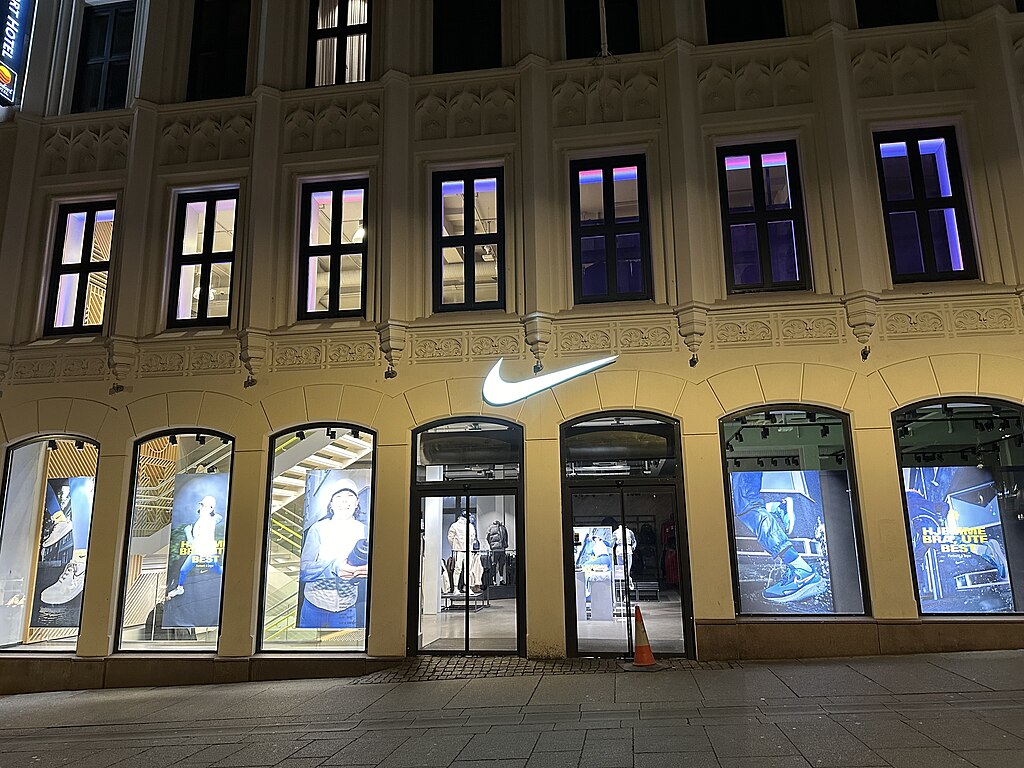
Nike is overhauling its online sales strategy in China as it works to regain market share from fast-growing domestic competitors and restore its premium brand image in one of its most important markets.
Beginning in January, major wholesale partners in China will stop selling Nike apparel and footwear through their own online stores. Instead, shoppers will be directed to official Nike-branded storefronts on leading e-commerce platforms including Tmall, JD.com, and Douyin, as well as Nike's website and mobile app. Retail partners will continue focusing on in-store sales.
Cathy Sparks, Nike's vice president and general manager for Greater China, said the move is designed to simplify the company's fragmented online marketplace and provide customers with a more consistent and trusted shopping experience.
According to Sparks, Chinese consumers increasingly expect a premium brand experience that connects online and offline shopping while ensuring authenticity and reliable service. By centralizing digital sales, Nike hopes to strengthen consumer confidence and reduce price competition across multiple online sellers.
China remains Nike's third-largest market but continues to weigh on the company's overall performance. In its latest quarterly report, Nike said Greater China sales declined 17% on a constant-currency basis, worsening from a 10% decline in the previous quarter. The sportswear giant has faced growing competition from local brands such as Anta and Li Ning, while international rivals including On and Hoka continue expanding their presence.
The new strategy is part of CEO Elliott Hill's broader turnaround plan, which includes strengthening wholesale partnerships, focusing on sports innovation, and launching products tailored to regional markets.
The policy will affect most of Nike's 16 retail partners in China. Topsports, one of the country's largest sportswear retailers, said the changes are expected to have a significant short-term impact because online sales account for roughly 22% of its Nike-related revenue. Despite the setback, the company said it remains committed to working closely with Nike on offline sales.
Some analysts remain skeptical. BNP Paribas analyst Laurent Vasilescu argued Nike's biggest challenge is product appeal rather than distribution. Sparks acknowledged that localized products are also a priority, noting Nike has appointed a vice president dedicated to product creation for the Greater China market.