


 Moonshot AI Executives Seek Settlement Ahead of Hong Kong IPO
  Nvidia’s China AI Chip Market Share Falls to 34% as Huawei Gains Ground
  Robinhood Chain Eyes Priority Gas Auctions for Faster Trades
  Meta Launches Muse Wonder AI Models, Shares Rise 3.7%
  AT&T Sells Mexico Wireless Business to Televisa for $2 Billion
  Amazon in Talks to Acquire AI Startup Decart for $7 Billion
  Epic Games Delays Disney Shooter, Shifts to AI-First Development
  TSMC Profit Set to Surge 65% as AI Chip Demand Drives Record Earnings
  Apple Supplier Luxshare Faces US Patent Probe, Sees Limited Impact
  Trump Buys Up to $25M in Meta Stock, Invests in SpaceX Debt
  MNX Crypto Exchange Launches Futures for OpenAI, Anthropic Valuations
  Samsung, SK Hynix Shares Fall as China's CXMT Advances DRAM Technology
  OpenAI Uses AI to Uncover Hidden Recording Device, FBI Makes Arrest
  Apple Supplier Luxshare Sees Limited Impact From US Patent Probe


 Add as a preferred source on Google
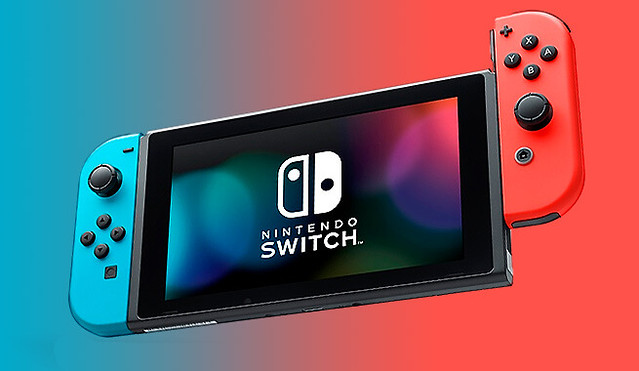
Thousands of Nintendo Switch users might be affected by a massive hack on Nintendo’s online services. The company confirmed that a recent hacking incident might have compromised the passwords and login IDs of around 160,000 Nintendo Network ID accounts, Wired reported.
Before Nintendo’s confirmation, there were already rumors of a hack circulating around, according to Independent. Recently, Nintendo Switch players have reported that they noticed suspicious logins as well as unauthorized purchases being made using their accounts.
Nintendo finally confirmed the hack in an April 24 post on its Japanese website. The company said that hackers were able to access online logins but did not give details on how the hackers were able to breach its system.
The company also confirmed that the hackers used some login IDs to make illegal purchases in its stores. Nintendo suggested that users review purchases made using their IDs and try to cancel the payments on questionable ones.
They also need to inform the company of the details of the suspected transactions. However, Nintendo warned that it may not be able to reply to everyone right away.
Nintendo said that hackers were able to steal Nintendo Network IDs, which serve as the login usernames on its online service, as well as their respective passwords. The perpetrators might have access to some personal information of Nintendo Switch users since the NNID accounts include their users’ email address and date of birth.
NNIDs are the older method of logging into the Nintendo online services. However, the company kept them around to allow players access to their older accounts.
But with the recent hack, the company decided to do away with the NNIDs for good. Existing players using NNIDs to log into the network will now have to sign in using their email addresses.
The company also revealed that it had reset the passwords of the users of its online service as part of its precautionary measures. To access their accounts, users will need to nominate a new password. Nintendo also asked users to turn on a two-factor authorization for their accounts so hackers won’t be able to easily access the account even if they know the password.







