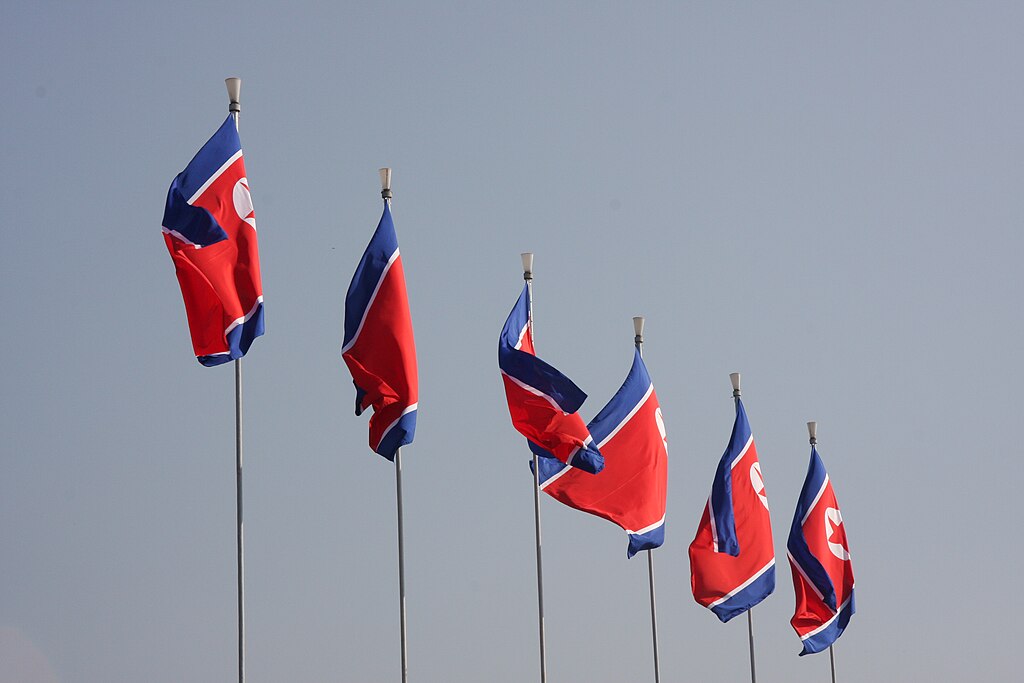
North Korea has dismissed recent accusations by the United States and its allies over alleged cyber activities, calling them politically motivated and aimed at justifying pressure on sovereign nations. According to state media KCNA, a spokesperson for North Korea’s foreign ministry accused Washington of using cyber allegations to damage Pyongyang’s reputation while expanding its own influence in cyberspace.
The statement was issued in response to a joint warning released last week by the United States, South Korea, Japan, and eight other countries. The advisory alleged that North Korean information technology workers use fake identities to secure remote jobs worldwide, generating revenue that supports the country’s nuclear weapons and ballistic missile programs.
The multinational warning also claimed these operatives increasingly rely on artificial intelligence and other advanced tools to disguise their identities, creating insider threats for businesses. Authorities said the workers have been linked to cryptocurrency theft, data breaches, and the theft of sensitive corporate information.
Pyongyang rejected the allegations, arguing that the United States operates the world’s largest cyber force and therefore has no credibility when accusing other nations of cyber threats. The foreign ministry spokesperson also criticized the U.S.-backed Multilateral Sanctions Monitoring Team (MSMT), describing it as a political mechanism designed to intensify pressure on North Korea under the guise of cybersecurity.
North Korea further accused Washington of militarizing cyberspace through cyber warfare capabilities and joint cyber exercises with allies. The spokesperson warned that Pyongyang would not tolerate what it described as politically driven efforts to use cyber issues as a tool for international pressure.
In a separate editorial published by KCNA, a North Korean military commentator also condemned the U.S., South Korea, and Japan for expanding military cooperation through the U.S.-led Rim of the Pacific (RIMPAC) naval exercise. The commentary claimed the drills amount to preparations for military aggression and argued that the growing trilateral alliance is increasing security tensions across the Asia-Pacific region.