


 Apple Supplier Luxshare Faces US Patent Probe, Sees Limited Impact
  Netflix Cuts 1,000 Jobs as Streaming Giant Restructures
  Alibaba Unveils Qwen AI Smart Glasses, Shares Rise 2%
  Anduril Valuation Hits $90 Billion in Employee Share Sale
  Samsung, SK Hynix Shares Fall as China's CXMT Advances DRAM Technology
  Meta Launches Muse Wonder AI Models, Shares Rise 3.7%
  Arthur Hayes Announces FLOP Testnet Launch Within Weeks
  MNX Crypto Exchange Launches Futures for OpenAI, Anthropic Valuations
  Arm Shares Fall Over 3% After Qualcomm Wins License Dispute
  NEAR Protocol Leads AI Crypto Rally Amid Fed Rate Hike Fears
  Arm Breaches Qualcomm License Deal, Jury Awards $2
  Trezor Cuts Reseller Network After Ledger Security Breach
  Amazon in Talks to Acquire AI Startup Decart for $7 Billion
  New York Times, AFP Join Coalition to Protect Content From AI
  Epic Games Delays Disney Shooter, Shifts to AI-First Development
  Bank of America Hit With $1.2 Billion Fine Over Money Laundering Failures


 Add as a preferred source on Google
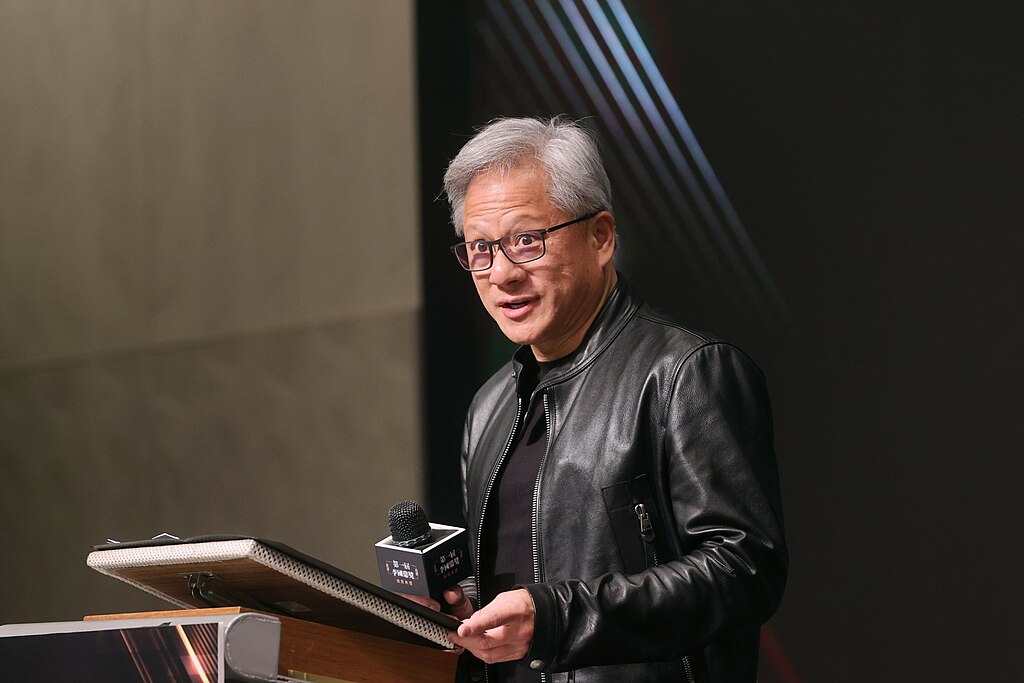
Nvidia CEO Jensen Huang said the company could stop supplying artificial intelligence chips to customers developing dangerous AI software, although he believes many current concerns about AI safety are exaggerated.
Speaking with Bloomberg’s Emily Chang in London, Huang acknowledged that Nvidia could take action against developers using its technology irresponsibly. However, he emphasized that such decisions would require discussions with the companies involved before any restrictions were imposed.
“It’s a hypothetical, but yes,” Huang said when asked whether Nvidia would suspend chip deliveries to an unsafe AI developer.
Huang explained that Nvidia’s AI chips are general-purpose technology, meaning the company has limited authority over how customers deploy its products. He stressed that Nvidia does not manage other businesses and must carefully consider the boundaries of its responsibility.
As the leading supplier of AI accelerators used to train and operate advanced AI models, Nvidia has become a central player in debates surrounding artificial intelligence safety and regulation.
Industry leaders, including Anthropic CEO Dario Amodei, have raised concerns about increasingly powerful AI systems potentially exceeding human control. Some have advocated slowing AI development to address emerging risks.
However, Huang believes artificial intelligence can be developed and deployed safely without significantly restricting technological progress.
During his European tour ahead of an Nvidia event in Berlin, Huang described the industry's safety challenges as growing pains associated with rapid expansion. He argued that AI companies are still adapting to the responsibilities accompanying their increasing influence.
Nvidia is also committing $250 million over five years to support AI safety research in the United Kingdom. The initiative will provide advanced computing resources to academic institutions, including the University of Oxford and University College London.
Researchers will investigate AI safeguards, monitoring systems, and methods for controlling autonomous AI agents.
Huang also criticized the technology industry's communication efforts, arguing that developers have failed to adequately explain AI's potential benefits to the public.
Rather than slowing innovation, the Nvidia chief advocated accelerating the development of AI-powered monitoring and containment tools.
He suggested that artificial intelligence itself could become an essential defense against emerging technological risks, helping developers identify unsafe behavior and maintain control over increasingly sophisticated systems.
Huang's remarks highlight Nvidia's approach to AI safety, balancing responsible technology deployment with continued innovation and industry growth.







