


 Robinhood Chain Eyes Priority Gas Auctions for Faster Trades
  Arthur Hayes Announces FLOP Testnet Launch Within Weeks
  European Auto Stocks Rise as EU-China Trade Deal Targets Hybrid Imports
  Elon Musk Accuses Indian Telecom Giants of Blocking Starlink Launch
  Bumble Shares Surge 50% on $1 Billion Buyout Talks
  Trump Buys Up to $25M in Meta Stock, Invests in SpaceX Debt
  Amazon in Talks to Acquire AI Startup Decart for $7 Billion
  Solidigm Taps Goldman, Morgan Stanley for $10 Billion US IPO
  Ethereum Foundation-Linked Wallets Move $11.13M in ETH to Kraken
  Meta Launches Muse Wonder AI Models, Shares Rise 3.7%
  Apple Supplier Luxshare Sees Limited Impact From US Patent Probe
  TSMC Profit Set to Surge 65% as AI Chip Demand Drives Record Earnings
  Oracle Uses Trucked Natural Gas to Power AI Data Centers Amid Pipeline Delays
  Samsung, SK Hynix Shares Plunge as China Chip Competition Grows
  Coinbase CEO Backs SEC Accredited Investor Reform
  Jameson Lopp Downplays AI Threat to Bitcoin Cryptography
  Albertsons Seeks $9.3 Billion From Kroger Over Failed Merger


 Add as a preferred source on Google
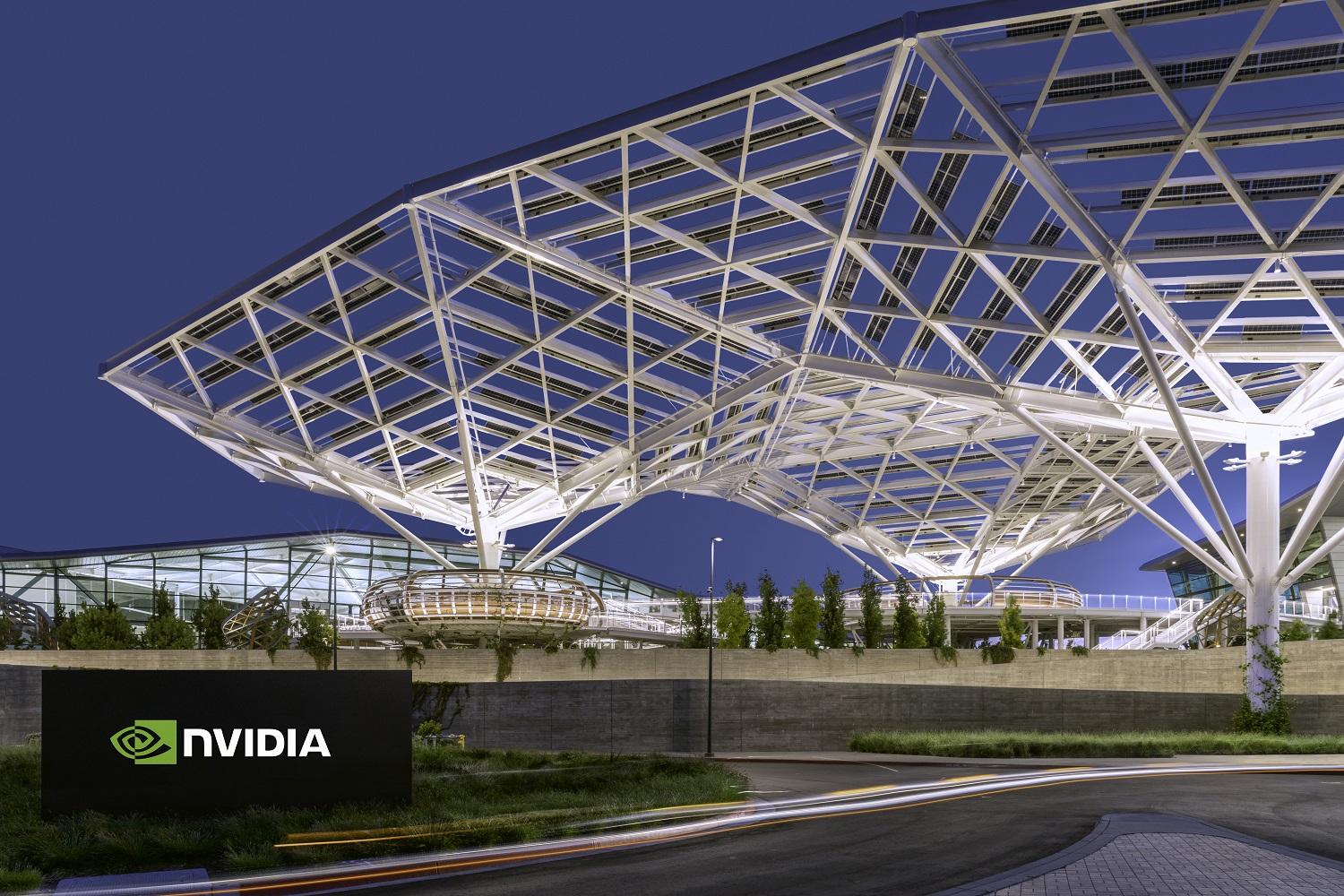
Nvidia Corp., known for its graphics chips used in artificial intelligence applications, has experienced a significant surge in value due to the high demand for its products. The company recently revealed its latest quarter results, showcasing remarkable financial success.
Strong Financials and Challenges
Reuters reported that in the fiscal fourth quarter ending on Jan. 28, Nvidia reported a revenue of $22.1 billion, a substantial increase from $6.05 billion in the previous year. The company's profit also rose to $12.29 billion, compared to $1.41 billion in the corresponding period.
As Nvidia continues to expand its reach into new markets, analysts are optimistic about its future performance. The company's investment in AI, deep learning, and autonomous vehicles position it at the forefront of technological innovation.
However, supply chain disruptions and intense competition in the semiconductor industry could impact its growth trajectory. Nvidia's ability to navigate these complexities will be crucial in sustaining its upward momentum.
Market Response and Shareholder Value
Following the announcement of Nvidia's financial achievements, Yahoo noted that the market responded favorably, with shares experiencing a noticeable uptick. This positive investor sentiment underscores confidence in Nvidia's strategic direction and capacity to maintain a competitive edge.
Shareholders have been particularly encouraged by the company's robust research and development approach, evidenced by cutting-edge product releases and a healthy innovation pipeline. With a market increasingly relying on advanced chipsets for various sectors, Nvidia's focus on core growth areas is seen as a strong indicator of potential long-term gains for its stakeholders.
As Nvidia harnesses the momentum of its recent successes, the company is also mindful of broader economic conditions. Global market fluctuations and the competitive landscape require an agile approach to strategy execution.
Through partnerships and collaborations, Nvidia is well-positioned to tailor its innovative solutions to meet the evolving needs of industries ranging from gaming to healthcare. The emphasis on diversifying its product line signifies a commitment to lead and redefine the boundaries of what is possible with modern chip technology.
Photo: Nvidia Newsroom







