


 Oracle Uses Trucked Natural Gas to Power AI Data Centers Amid Pipeline Delays
  Meta Launches Muse Wonder AI Models, Shares Rise 3.7%
  Moonshot AI Executives Seek Settlement Ahead of Hong Kong IPO
  US Suspends Microsoft, Adobe From Green Card Program
  OpenAI Revenue Hits $50 Billion, Below Earlier $70 Billion Estimate
  Elon Musk Accuses Indian Telecom Giants of Blocking Starlink Launch
  Arthur Hayes Announces FLOP Testnet Launch Within Weeks
  Yandex Data Center Hit by Drone Strike as Russia-Ukraine Cyber Infrastructure Attacks Escalate
  Apple Names Steve Smith M&A Chief in Leadership Shakeup
  Tencent Shares Fall as $5 Billion AI Bond Sale Weighed
  Epic Games Delays Disney Shooter, Shifts to AI-First Development
  Samsung, SK Hynix Shares Plunge as China Chip Competition Grows
  Elon Musk Eyes Semiconductor Manufacturing Expansion With $15 Billion Terrafab Project
  Trump Buys Up to $25M in Meta Stock, Invests in SpaceX Debt
  Robinhood Chain Eyes Priority Gas Auctions for Faster Trades
  Zcash Plans Quantum-Resistant Security Upgrade for January


 Add as a preferred source on Google
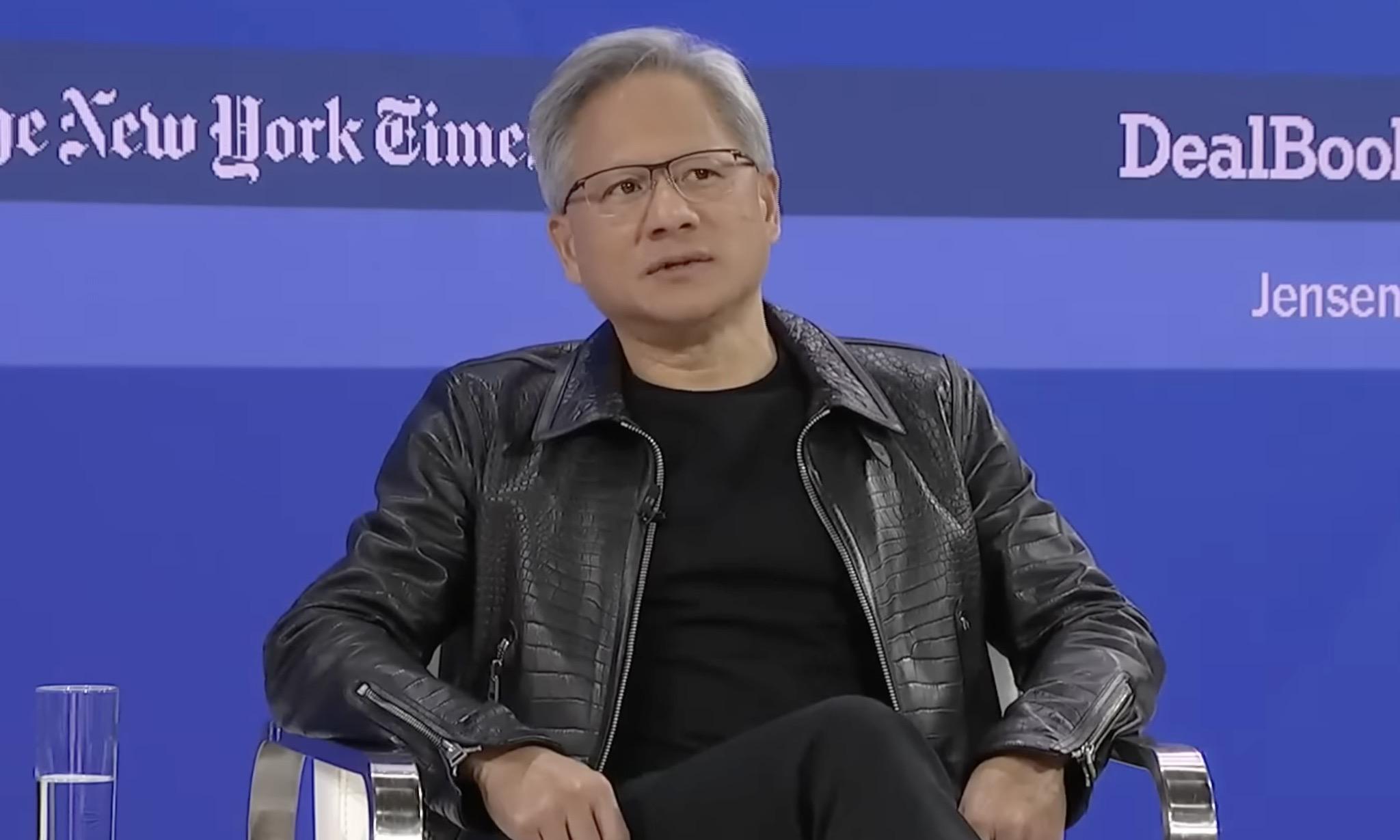
The CEO of Nvidia cast doubt on Sam Altman's purported efforts to raise as much as $7 trillion to increase the supply of GPU chips. At the World Governments Summit in Dubai, Jensen Huang stated that the price would be significantly reduced. According to him, the global construction of AI data centers would cost no more than $2 trillion over the next five years.
“You can’t assume just that you will buy more computers. You have to also assume that the computers are going to become faster and therefore the total amount that you need is not as much,” Huang said.
“There’s about a trillion dollars’ worth of installed base of data centers. Over the course of the next four or five years, we’ll have $2 trillion worth of data centers that will be powering software around the world," he added.
Huang's remarks follow last week's report by The Wall Street Journal that Altman was potentially pursuing $7 trillion in funding to substantially expand the global supply of semiconductor chips and assist in mitigating the worldwide chip shortage.
According to the source, the OpenAI CEO has been discussing his initiative with potential investors, including the UAE government. Unnamed tipsters told Reuters that Nvidia has held discussions with OpenAI, Microsoft, Google, and Meta, among others, regarding the development of custom processors for data centers.
It currently holds a nearly $1.8 trillion market share in the AI semiconductor industry and is valued at a dominant position, trailing Amazon by a narrow margin as of Monday's close. A new division will be established by Nvidia to design data center CPUs and AI processors for cloud computing companies, according to Reuters.
Altman's $7 Trillion AI Dream Sparks Debate on Sustainability, Capitalism
For starters, Sam Altman, co-founder of OpenAI, is seeking to raise a maximum of $7 trillion for an AI chip development initiative. That's quite a bit of cash. It is specifically more significant than the entire federal budget, twice the annual GDP of the United Kingdom, thirteen times the global chip sales for 2023, or sufficient to fund more than two years of universal health care in the United States.
Putting aside comparisons, Altman is already in discussions with investors, including the government of the UAE, to raise capital, according to unidentified sources cited by the Wall Street Journal last week.
The endeavor has garnered the attention of critics. Sam Lessin, an early Facebook executive and Silicon Valley investor, wrote an article entitled "The Era of Absurdist Capitalism," in which he referred to Altman's $7 trillion fundraising effort as "showmanship" designed to attract "loyalist" cultlike followings to AI. Sasha Luccioni, a climate lead and researcher at Hugging Face, an open-source AI platform, cautioned that the amount of natural resources necessary to develop AI systems and chips with a budget of $7 trillion would be immense.
“The amount of natural resources that will be required is just mind-boggling,” she stated to VentureBeat. “Even if the energy is renewable (which it isn’t guaranteed to be), the quantity of water and rare earth minerals required is astronomical.”
In his reply to the critics, Altman was succinct yet direct. “You can grind to help secure our collective future, or you can write Substacks about why we are going to fail,” he stated on X in a Sunday post.
AI's $7 Trillion Bet: Critics Question Impact on Resources, Labor, and Truth
Undoubtedly, many Substacks and articles outlined several of the challenges associated with Altman's $7 trillion fantasy. Gary Marcus, a distinguished AI critic and emeritus professor of psychology and neural science at New York University (after serving as a machine learning founder and executive), warned that the project's potential repercussions extend beyond natural resources to encompass the labor market, disinformation, and cybercrimes. He was most intrigued, however, by Altman's conviction that large language models are the sole means of guaranteeing "our collective future."
Marcus observed that numerous newly developed technologies still need to provide the anticipated increase in productivity and benefit to humanity. Aware of this, he posited that it might be prudent to diversify our investments and avoid placing all of our chickens in the basket of artificial intelligence.
“$7T might serve OpenAI well and raise your public profile, but would it serve humanity? How certain of that bet can we be? What’s the rush?” In his Sunday Substack, Marcus posed the question, "The risk of premature commitment looms large."







