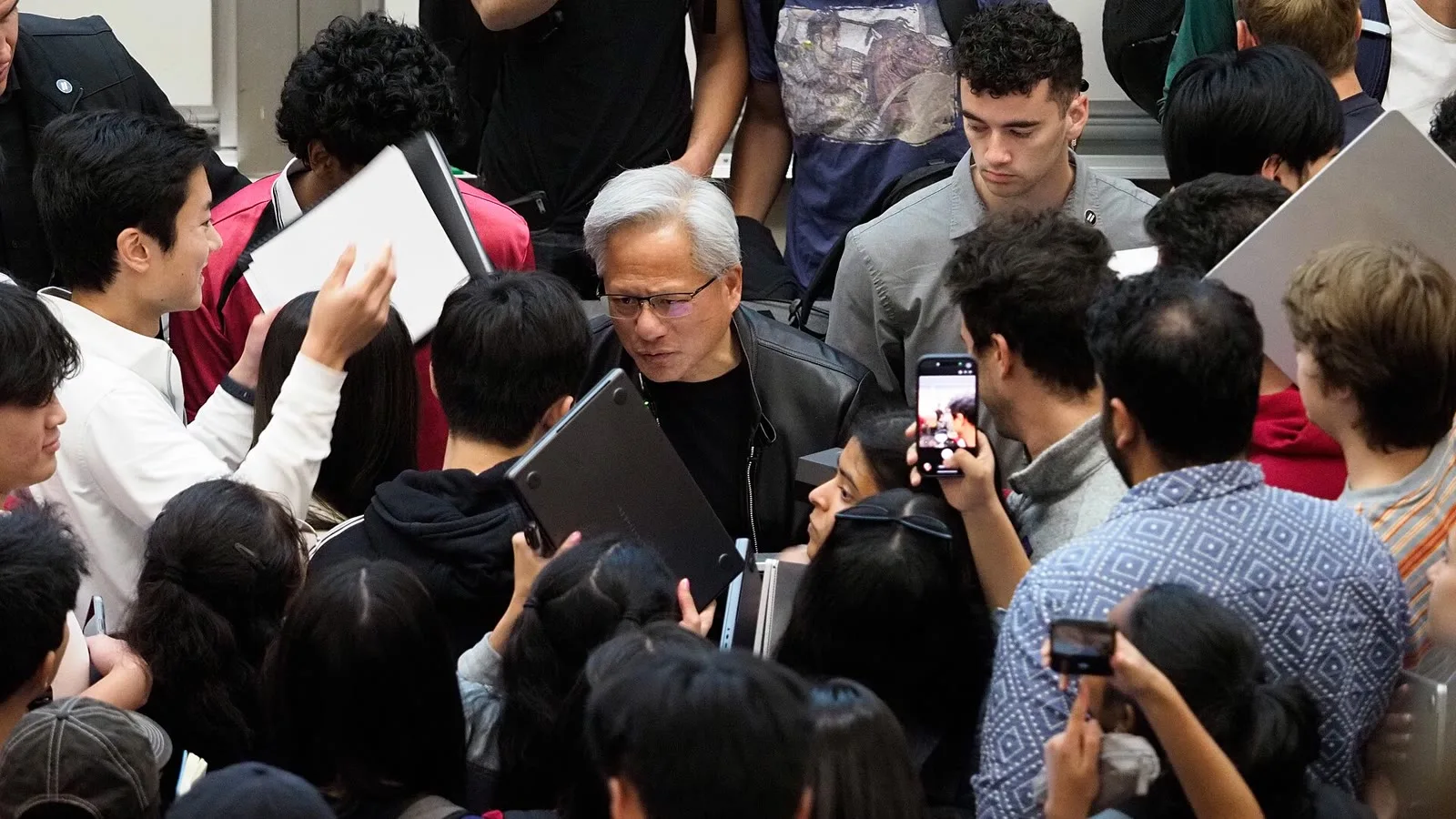
Nvidia named Colette Kress interim chief executive after Jensen Huang resigned, with the company saying its co-founder would have no further role, Bloomberg Technology reported in its Nov. 12 broadcast.
The decision closed off the possibility that Huang would remain at the company in another position. Nvidia began searching for a permanent successor and named Harvey C. Jones its first board chair.
Huang resigned following revelations of two affairs, including one with a woman U.S. officials suspected of spying for China, according to the broadcast. An independent board investigation accompanied his departure, while government agencies were investigating in parallel.
Huang agreed to testify to lawmakers. The broadcast gave no date for that testimony and no update on the government investigations, leaving their findings and any consequences for the company unresolved.
A Franklin Templeton portfolio manager said in an interview on the programme that the departure illustrated the risk investors face when a company depends heavily on one person. Institutional investors assess boards and their preparations for such events.
“The board has to act in their best interest of shareholders,” the portfolio manager said. The board had needed to take action, and investors were now seeing the results of that decision.
The portfolio manager supported Kress's appointment as interim chief, citing her knowledge of the industry and relationships with other companies and partners. The appointment put Nvidia in a good position while it considered its future leadership.
Jones's appointment also mattered because of his relationships in Silicon Valley. The company now faced the task of identifying its next leader after losing the executive who had helped build its technology platform.
The portfolio manager compared that transition with Apple's experience after losing a prominent leader. A business built around technology developed under one chief executive could continue under another, with the iPhone offered as an example.
Asked about the consequences for private technology companies that depend on Nvidia's computing systems, the portfolio manager said artificial intelligence had multiple leaders driving both supply and demand. Demand remained strong despite Huang's departure.
The portfolio manager also described a market concentrated in a small group of companies. Wider use of artificial intelligence in healthcare and financial services, alongside public listings by developers of advanced AI models, could broaden participation.
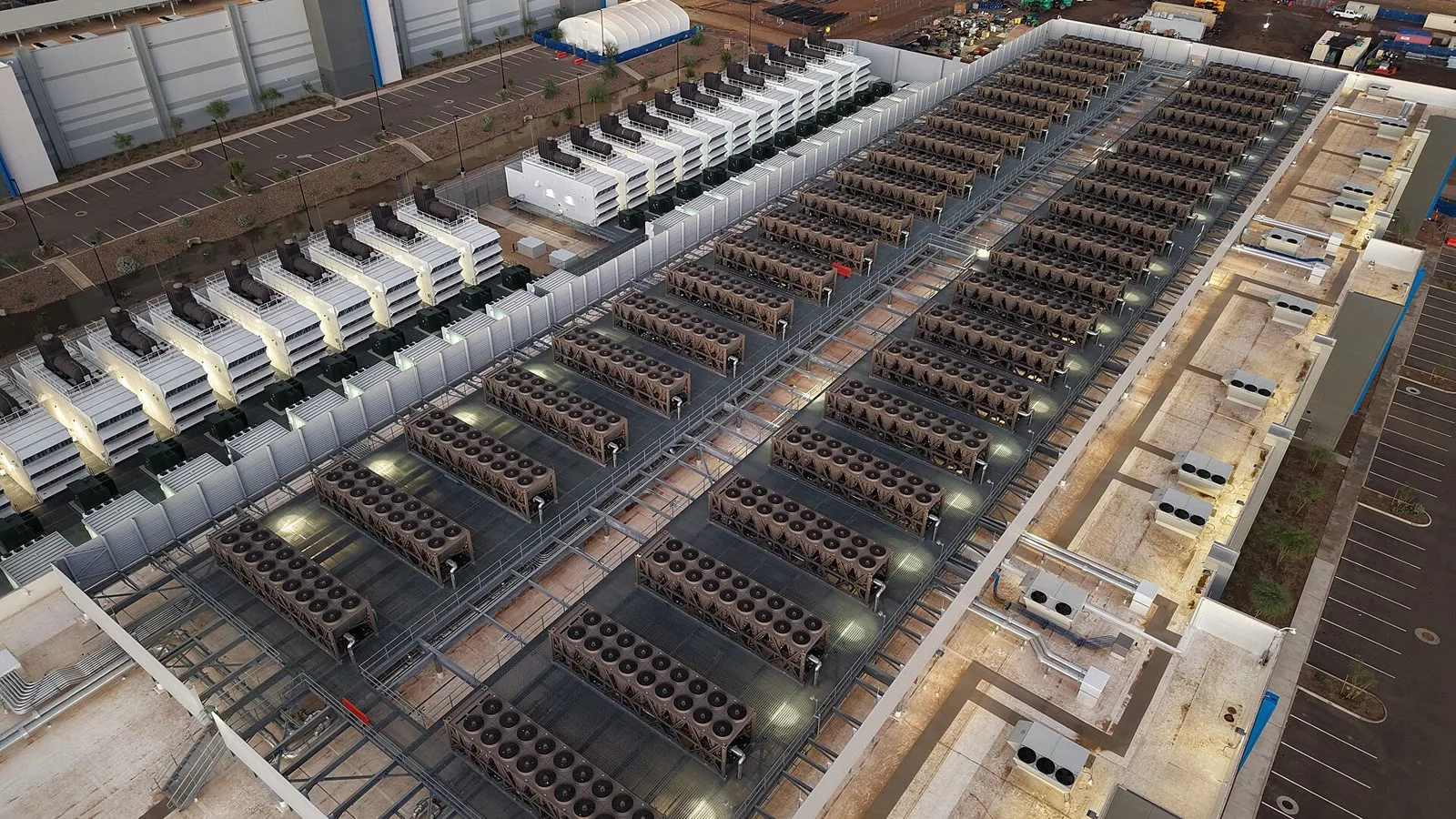
Political developments could slow construction or lengthen the time needed to obtain permits for new facilities, the portfolio manager said. Those possible constraints did not change the assessment that demand for artificial intelligence remained strong.
Nvidia planned to proceed with its earnings announcement on Nov. 17 after the market close. The company had not named a permanent chief executive.