Seven OPEC+ producers will keep their December 2026 required production levels at September 2026 levels, maintaining the group’s near-term supply settings as members look toward 2027 production baselines.
The Organization of the Petroleum Exporting Countries (OPEC) said the participants were Saudi Arabia, Russia, Iraq, Kuwait, Kazakhstan, Algeria and Oman. They met virtually Nov. 1 to review market conditions and the outlook, and reaffirmed their commitment to the Declaration of Cooperation.
The requirements set assigned production levels; they do not show how much each country pumped or exported. EconoTimes previously reported that the seven had tentatively backed a December target hold before the official decision.
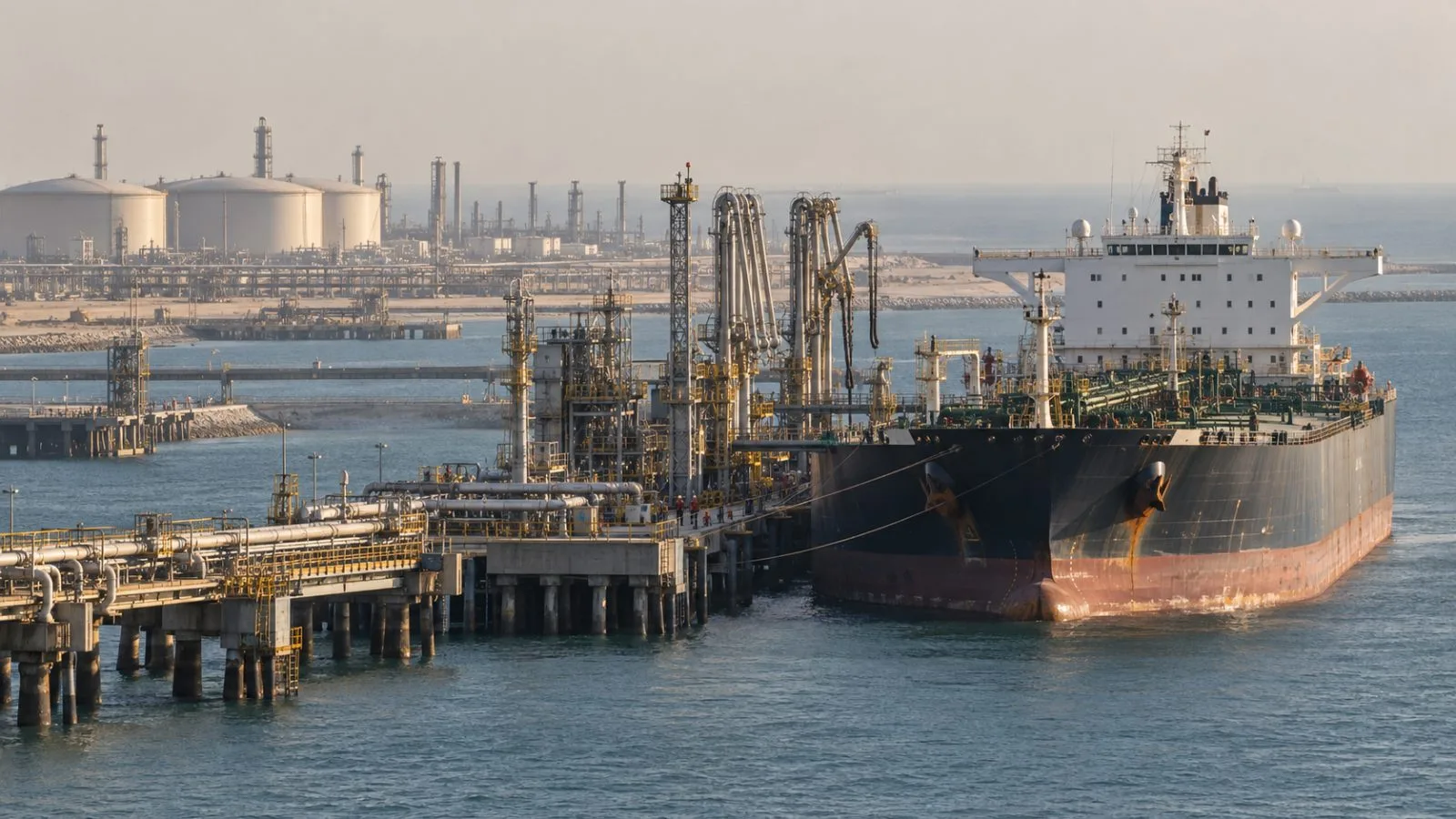
Separately, Reuters reported that Iran war-related interruptions continued to affect Gulf exports. Reuters said Gulf members had been boosting exports, but most of those members were still producing below their targets. Vortexa data cited by Reuters put September flows from the Gulf, excluding Iran, at an average 19.2 million barrels per day. The measure included crude, condensate, refined fuels and liquefied petroleum gas (LPG). That was more than 81% of the prewar average of about 23.6 million barrels per day.
Reuters reported that the seven producers completed the phased rollback of a 1.65 million-barrel-per-day production-target cut in September. A separate measure covering most members, worth about two million barrels per day, remained in place through the end of 2026. Reuters also reported that October and November targets stayed at September levels, extending the same settings into December.
Jorge Leon, an analyst at Rystad, called the Nov. 1 decision “the easy one,” Reuters reported. Leon characterized the November ministerial as a more consequential test of the group’s 2027 production framework.
In June, OPEC said a capacity review would guide 2027 baselines, drawing on assessments of what members could sustainably produce. OPEC said the seven would meet again Nov. 29.