A seven-member OPEC+ group has tentatively backed carrying its existing oil output limits into December, Reuters reported, as Gulf crude shipments continue to recover from wartime disruption.
Three people familiar with the talks told Reuters on Saturday that the producers had provisionally supported the move. Reuters said participants planned to meet online Sunday, Nov. 1. The report described the understanding as an agreement in principle.
OPEC said in an Oct. 4 statement that the seven would maintain September 2026 “required production levels” for November 2026. The countries are Saudi Arabia, Russia, Iraq, Kuwait, Kazakhstan, Algeria and Oman. EconoTimes previously covered expectations for a December target hold.
Reuters also reported that most Gulf producers were not reaching their assigned output ceilings. The IEA figures track crude exports rather than production against targets, measuring a different part of the region’s oil supply.
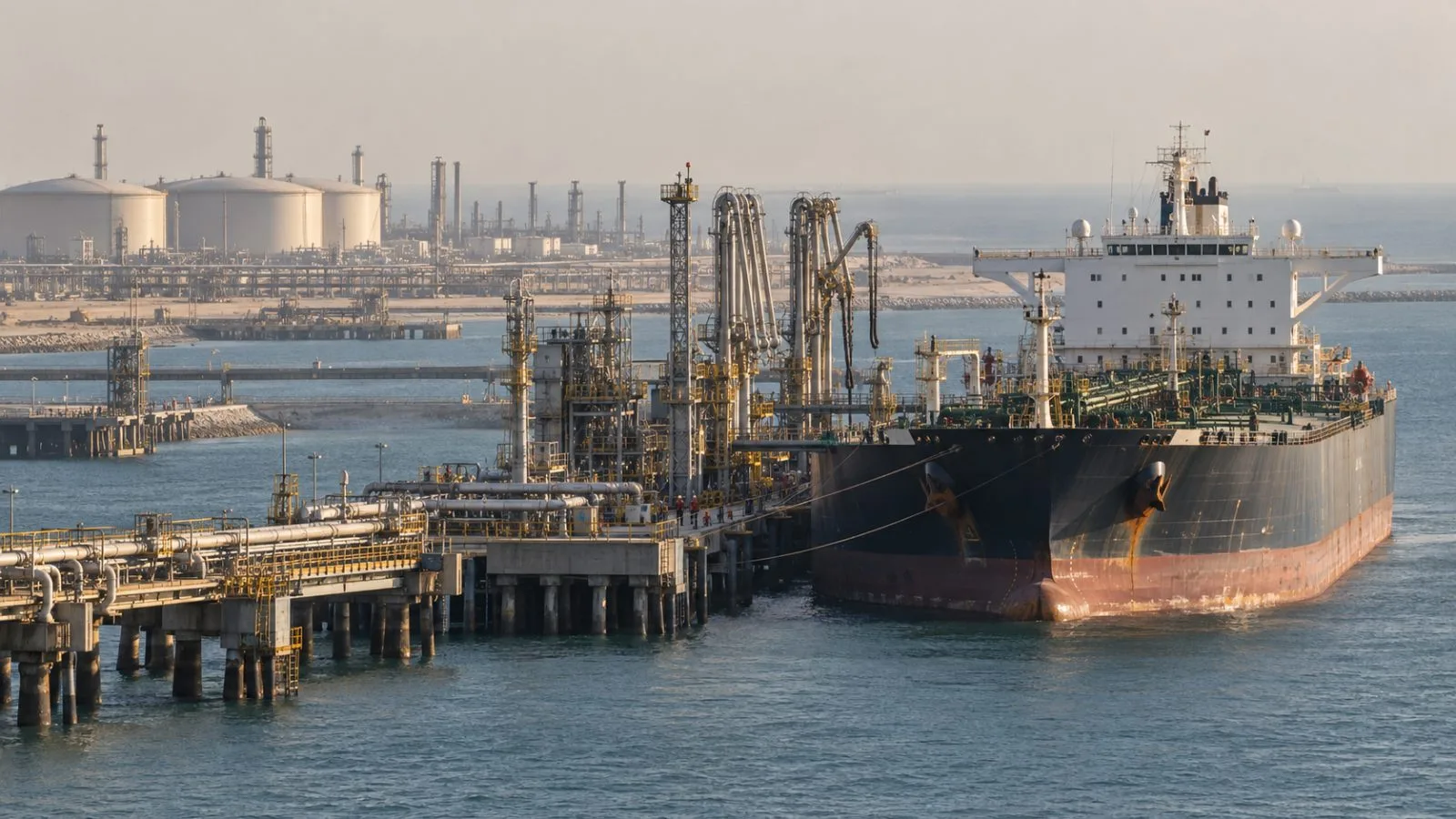
The IEA’s October report estimated Gulf crude exports at 13.9 million barrels per day in September, a rise of 4.4 million barrels per day and more than 75% of prewar volumes. It put oil flows through the Strait of Hormuz at 10.9 million barrels per day, an increase of 3.7 million barrels per day.
The recovery varied by fuel type. Middle East shipments of refined products and liquefied petroleum gas were still below half of prewar levels, the agency said. It linked elevated diesel prices to higher costs for goods and effects on household purchasing power, economic activity and inflation.
OPEC said in June that an assessment of members’ maximum sustainable production capacity would inform production baselines for 2027. Its next full ministerial meeting with non-OPEC countries is scheduled for Nov. 29.