Ohio’s Nov. 3 Senate election has put data center power costs under scrutiny, as Republican Sen. Jon Husted and former Democratic Sen. Sherrod Brown make competing claims about household electricity bills.
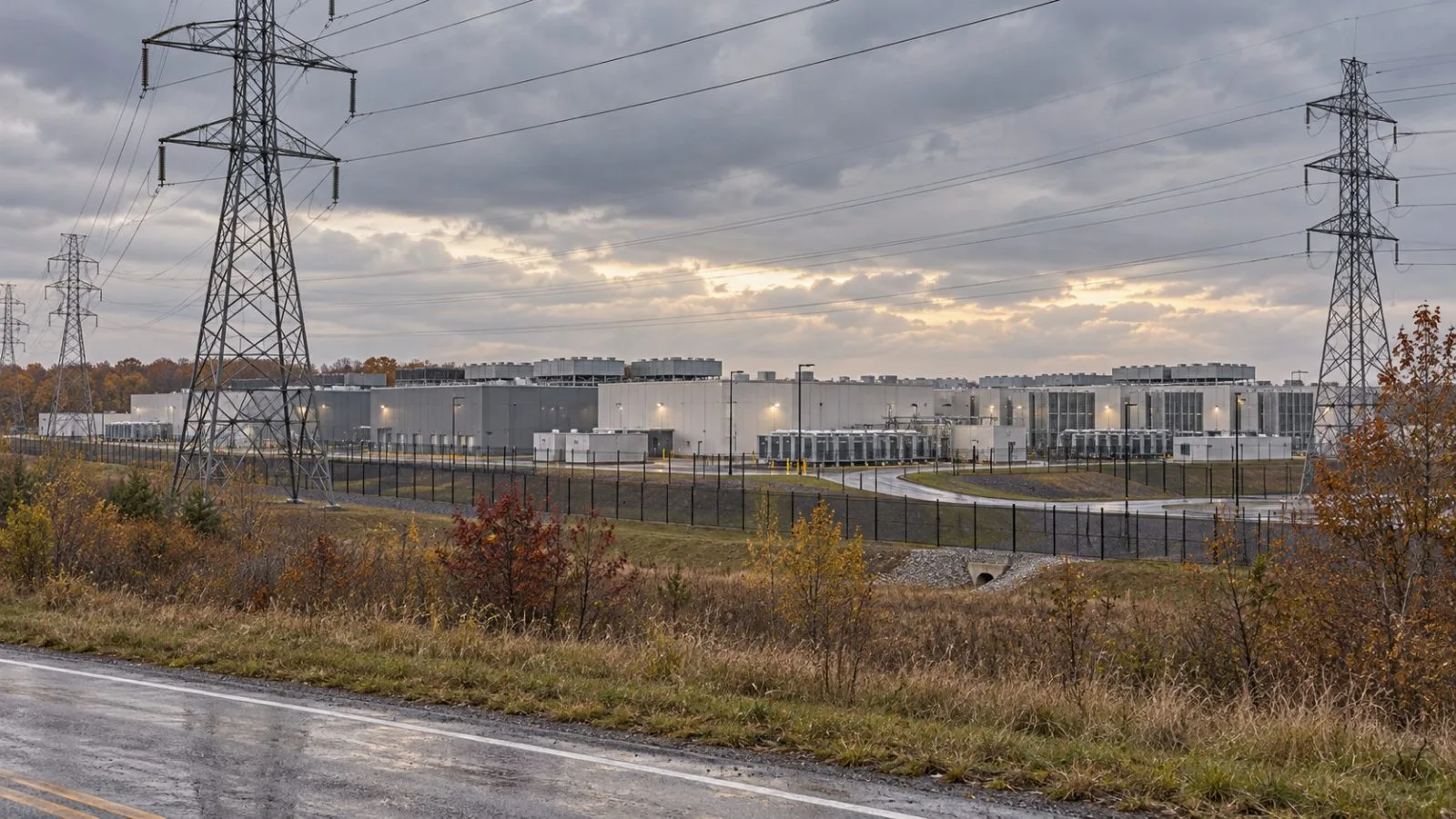
Brown’s campaign blames Husted’s support for data center development for higher bills in Ohio. That claimed link has not been established. Husted backs legislation aimed at assigning the cost of new grid infrastructure to large data centers.
The Ratepayer Protection Act sets a threshold of at least 100 megawatts in peak demand for facilities covered by its proposed cost standard. It would direct state utility regulators to consider making those data centers pay the full additional cost of grid upgrades built to serve them. States would be free to decline the standard.
The House passed the measure 417-3 on Sept. 16. A Sept. 30 Senate vote on whether to advance it was 57-43, short of the 60 votes required. The Senate has not voted on final passage.
“If you create the cost, you should pay the cost,” Husted said. Democratic Sen. Martin Heinrich has criticized the bill because it would require regulators only to consider charging data centers, rather than require states to do so.
Husted took his Senate seat Jan. 21, 2025, after Vice President JD Vance resigned. Brown left Ohio’s other Senate seat that month, having served since 2007. The special election will determine who completes Vance’s term, which runs through Jan. 3, 2029.
Husted has also proposed a change to an H-1B visa wage exemption for employers heavily reliant on those visas. His bill would replace the $60,000 annual salary threshold with one equal to twice the Social Security Administration’s national average wage index. It has not become law.
The ballot also lists Greg Levy and Libertarian William B. Redpath. Ohio polling places are scheduled to be open from 6:30 a.m. to 7:30 p.m. ET on Nov. 3.