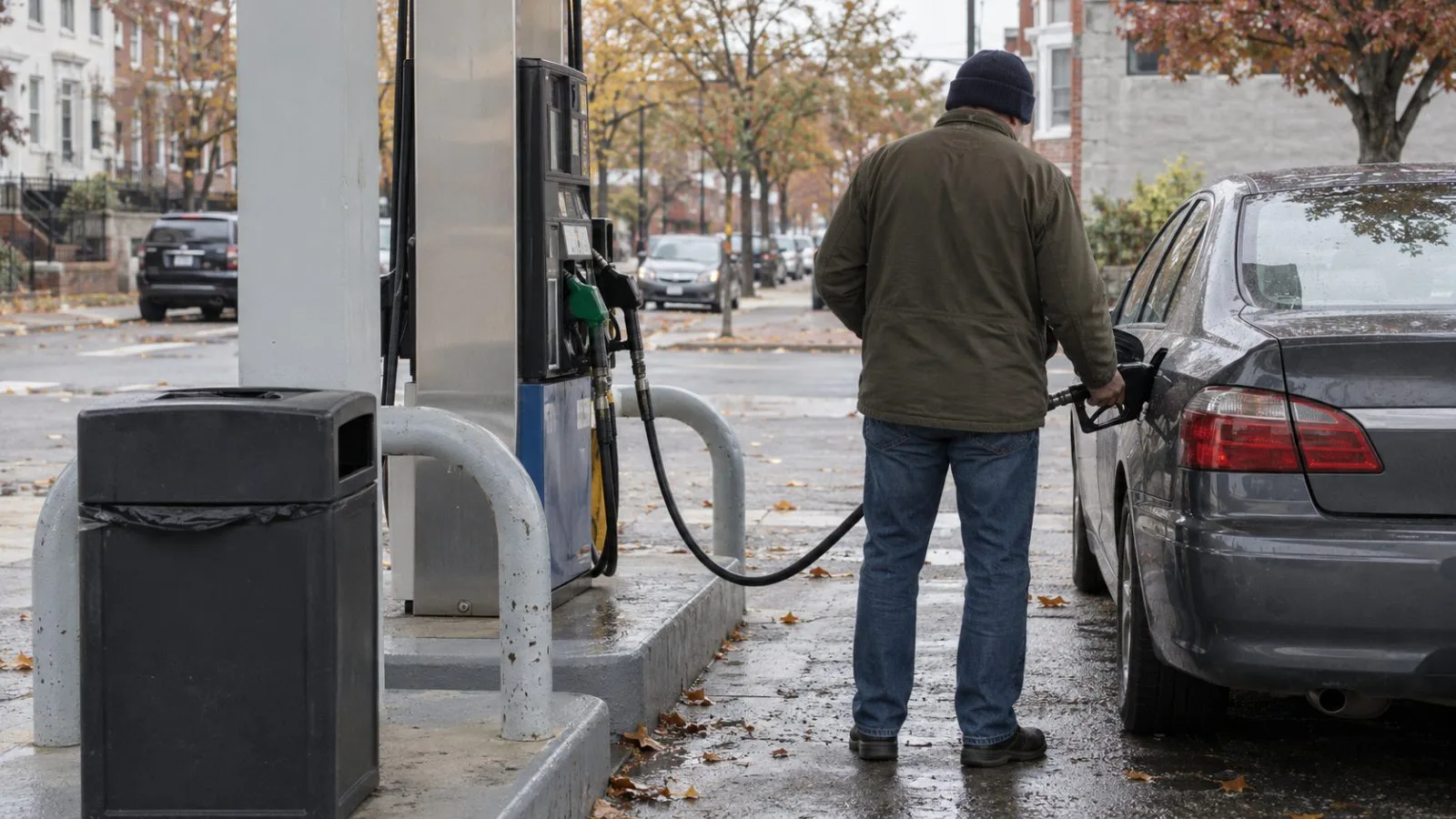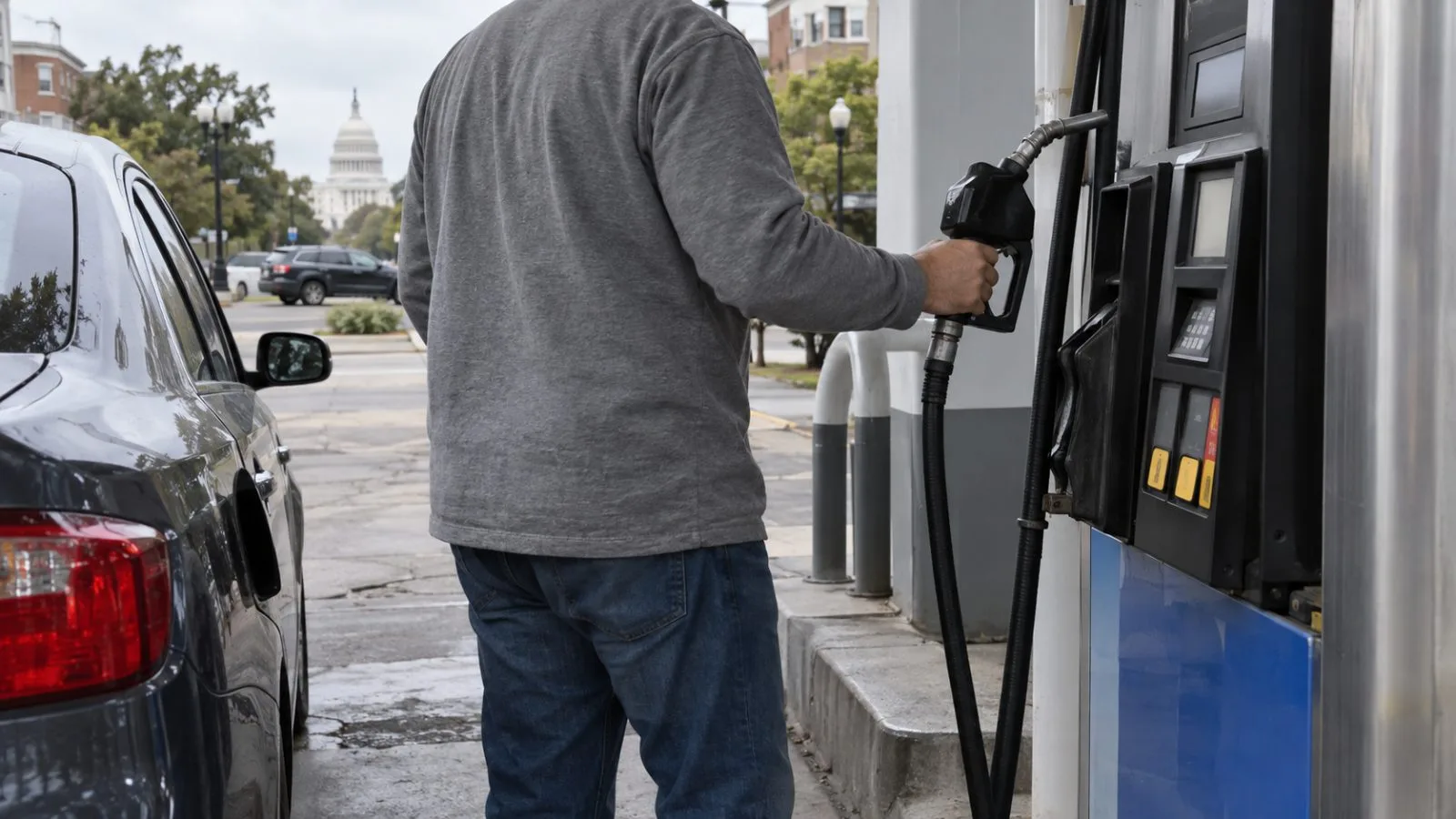
A jump in gasoline prices supplied more than half of September’s monthly CPI increase, while consumer inflation stood 3.7% above its year-earlier level, the U.S. Bureau of Labor Statistics (BLS) said.
The Consumer Price Index for All Urban Consumers (CPI-U) rose 0.6% between August and September after seasonal adjustment, following a 0.4% increase in August. Its annual rate through August was 3.4%. The CPI measures price changes across a basket of goods and services bought by urban consumers.
The monthly result matched the 0.6% estimate in a Reuters poll, while the 3.7% annual rate topped the poll’s 3.6% forecast. Core CPI, which excludes food and energy, rose 0.3% for the month and 2.6% over 12 months. Reuters’ pre-release estimates for core inflation were 0.2% and 2.5%, respectively.
Food prices were unchanged overall: grocery prices slipped 0.1%, while dining away from home rose 0.2%. Shelter costs increased 0.4%. The gasoline index advanced 9.1% in September, and the broader energy index rose 5.2%. Over 12 months, gasoline was up 34.2% and energy was up 20.4%.
Reuters reported that Sung Won Sohn, a finance and economics professor at Loyola Marymount University, said higher food and energy costs were weighing on people at the lower end of the K-shaped economy.
EconoTimes previously covered the report alongside coverage of Bitcoin (BTC) below $82,000.
The Federal Reserve’s long-term inflation goal is 2%, measured using the Personal Consumption Expenditures price index rather than CPI. Its target range is 3.75% to 4% following a quarter-point increase effective Sept. 17; the Fed’s rate history lists July 2023 as the previous increase. The next policy meeting is Oct. 27-28. BLS is scheduled to release October CPI data Nov. 10 at 8:30 a.m. ET.