Reuters reported oil prices rose Oct. 21 as traders weighed Middle East supply risks, with Brent at $110.40 a barrel; a U.S. crude inventory report was due later.
At 2:30 a.m. ET (06:30 UTC), Brent was up $1.61, or 1.5%, while U.S. West Texas Intermediate futures rose $1.45, or 1.5%, to $99.27 a barrel, Reuters reported.
The Saudi-led coalition said it intercepted a drone headed toward the kingdom’s Eastern Region on Oct. 21. It also reported intercepting a Houthi missile aimed at Riyadh a day earlier. The statements did not report damage to oil facilities.
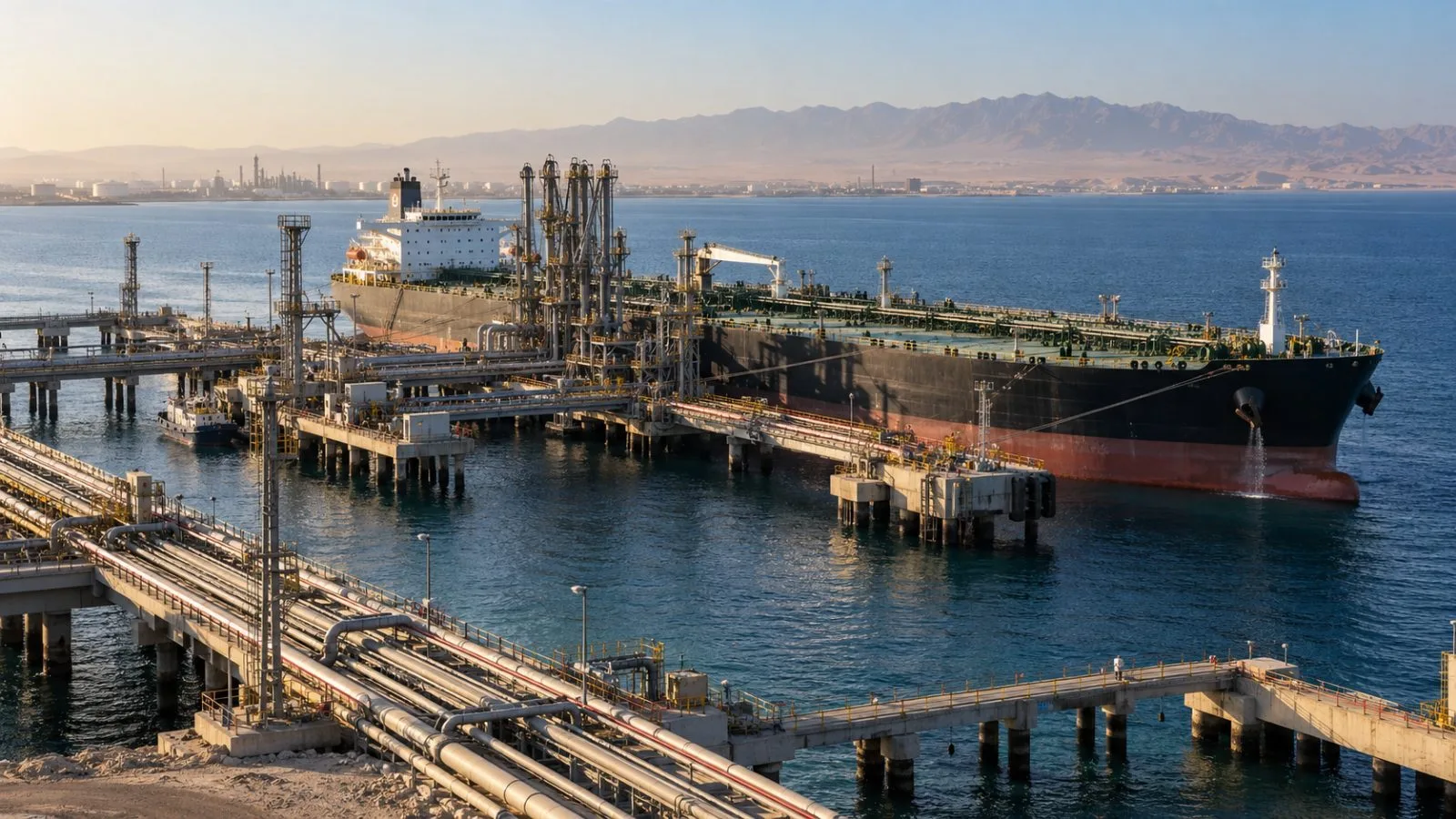
The U.S. Energy Information Administration (EIA) said Saudi Arabia’s East-West pipeline, an alternative export route around the Strait of Hormuz to Yanbu on the Red Sea, carried more than 5 million barrels a day before September attacks halted flows. The agency said flows had partly resumed by Sept. 22.
The EIA said tanker security risks can raise refiners’ delivery bills when vessels take longer routes or need costlier insurance. EconoTimes previously covered the added expense of moving oil through the region.
The EIA’s October outlook, finalized Oct. 1, forecast Brent spot prices would average $105 a barrel in the fourth quarter. That forecast covers a different period and market measure from the Oct. 21 futures quote.
In its latest published weekly figures, the EIA said commercial crude inventories excluding the Strategic Petroleum Reserve fell 8.6 million barrels to 415.6 million barrels in the week ended Oct. 9. Distillate stocks declined 2.5 million barrels to 102.6 million, while gasoline inventories rose 3.5 million barrels to 208.3 million.
The EIA’s report for the week ended Oct. 16 was due Oct. 21 at 10:30 a.m. ET (14:30 UTC).