Global oil prices stabilized on Friday, but Brent crude remained on track for a weekly decline of more than 8% as investors assessed the uncertain future of the U.S.-Iran peace agreement and ongoing geopolitical risks in the Middle East.
Brent crude futures traded nearly flat at $79.78 per barrel, while the front-month July contract for U.S. West Texas Intermediate (WTI) crude rose 1.3% to $77.59 per barrel. The more actively traded August WTI contract edged higher to $75.98 per barrel.
Market sentiment was impacted after Switzerland confirmed that scheduled talks between U.S. and Iranian negotiators would not take place on Friday. U.S. Vice President JD Vance also canceled planned travel arrangements, raising doubts about how quickly diplomatic progress can translate into lasting stability.
According to Tim Waterer, Chief Market Analyst at KCM Trade, traders are reassessing the pace at which the agreement could lead to meaningful changes in regional oil flows. He noted that crude prices may remain within a $75 to $90 range until there is clear evidence of increased shipping activity through the Strait of Hormuz.
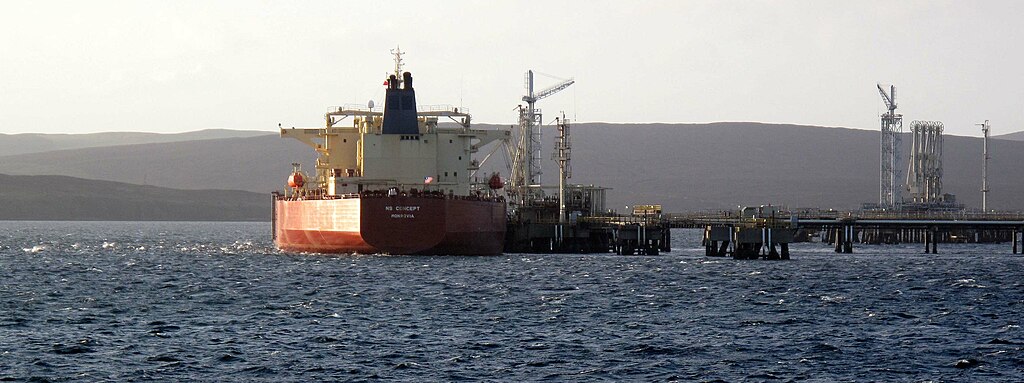
Both Brent and WTI recently fell to their lowest levels since the conflict began in March after several oil tankers, including three Saudi-flagged vessels carrying approximately 6 million barrels of crude, successfully passed through the Strait of Hormuz following the signing of an interim U.S.-Iran agreement.
Analysts estimate that more than 85 million barrels of oil currently stranded in the Persian Gulf region could gradually return to global markets. However, major financial institutions believe a full recovery in production and shipping flows may take months, despite the agreement.
Citi forecasts that sustained normalization of oil exports could push the market into surplus, with crude oil prices potentially declining to between $60 and $65 per barrel by the first quarter of 2027.
Meanwhile, OPEC projects global oil demand will rise from 105.1 million barrels per day in 2025 to 113.3 million barrels per day by 2030. Iraq has also indicated that its oilfields are prepared to resume production and gradually restore previous output levels.
Despite optimism surrounding the U.S.-Iran deal, continued Israeli military operations against Hezbollah in Lebanon are keeping geopolitical risks elevated, leaving energy markets cautious about the durability of the emerging peace framework.