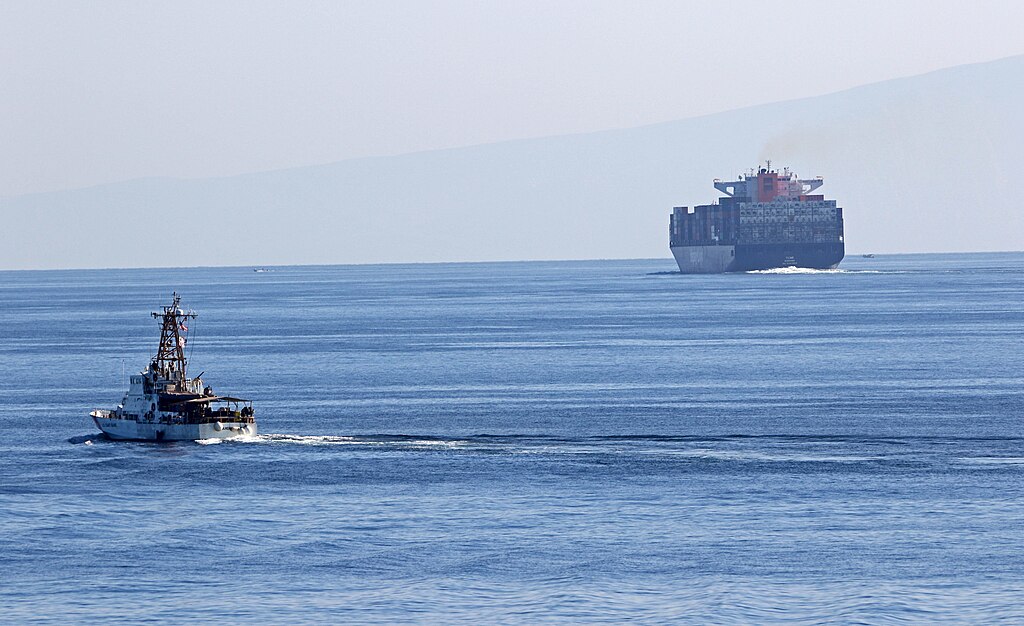
Oman has presented Iran with a Gulf-backed proposal aimed at restoring stability in the Strait of Hormuz, including a system of voluntary contributions from ships using the strategic waterway, according to Reuters citing a Gulf source and a Western diplomat.
The proposal is intended to ease disruptions to global shipping following the U.S.-Israeli conflict with Iran, which significantly affected one of the world's most important oil and liquefied natural gas transit routes. However, the United States has rejected any arrangement involving shipping tolls or transit fees, insisting the Strait of Hormuz is an international waterway that must remain free from Iranian control or restrictions.
President Donald Trump said the U.S. was engaged in "good talks" with Iran but warned that military action could resume if negotiations fail. Tehran, meanwhile, denied seeking renewed talks with Washington and maintained it would continue observing a ceasefire as long as the U.S. refrains from further attacks.
Regional tensions remain elevated. U.S. Central Command said Iran launched multiple ballistic missiles at American forces in the Middle East, though all were intercepted. Saudi Arabia also reported intercepting drones targeting oil facilities, blaming Iran-backed militias operating from Iraq. Additional drone incidents were reported in Jordan and northern Iran.
The Omani proposal would see Iran and Oman jointly oversee shipping traffic through the Strait of Hormuz rather than allowing Tehran exclusive control. The voluntary payment system would resemble the existing model used in the Strait of Malacca, where ships may contribute funds for navigation safety, environmental protection, and search-and-rescue operations.
Despite the proposal, Iran has rejected U.S.-backed ideas to compensate affected vessels using frozen Iranian assets and warned that countries accepting such arrangements could face restrictions on passage through the strait. Meanwhile, Yemen's Iran-aligned Houthi movement has expanded regional tensions by targeting Saudi shipping in the Red Sea.
Trump also reiterated that while he prefers a diplomatic solution, the U.S. is prepared to strike additional Iranian targets, including the heavily fortified Pickaxe Mountain nuclear facility, if negotiations collapse. Oil prices extended recent losses, with Brent crude falling below $84 per barrel as markets responded to the suspension of the U.S. bombing campaign and hopes for a diplomatic resolution.