


 Amazon Cuts More Jobs as AI Investment Expands
  Arthur Hayes Announces FLOP Testnet Launch Within Weeks
  Hong Kong’s Second Solana ETF Launches With Lower Fees
  Oracle Uses Trucked Natural Gas to Power AI Data Centers Amid Pipeline Delays
  Moonshot AI Executives Seek Settlement Ahead of Hong Kong IPO
  Syndax Stock Drops 15% After Axatilimab Trial Failure
  TSMC Profit Set to Surge 65% as AI Chip Demand Drives Record Earnings
  Orsted to Take Full Ownership of UK Offshore Wind Farm for £15 Million
  Morgan Stanley Predicts $10 Trillion RWA Market by 2030
  Robinhood Chain Eyes Priority Gas Auctions for Faster Trades
  Meta Launches Muse Wonder AI Models, Shares Rise 3.7%
  Jameson Lopp Downplays AI Threat to Bitcoin Cryptography
  Canton Network Expands in South Korea With Major Partnerships
  European Auto Stocks Rise as EU-China Trade Deal Targets Hybrid Imports
  Elon Musk Eyes Semiconductor Manufacturing Expansion With $15 Billion Terrafab Project
  Apple Supplier Luxshare Faces US Patent Probe, Sees Limited Impact
  Elon Musk Accuses Indian Telecom Giants of Blocking Starlink Launch


 Add as a preferred source on Google
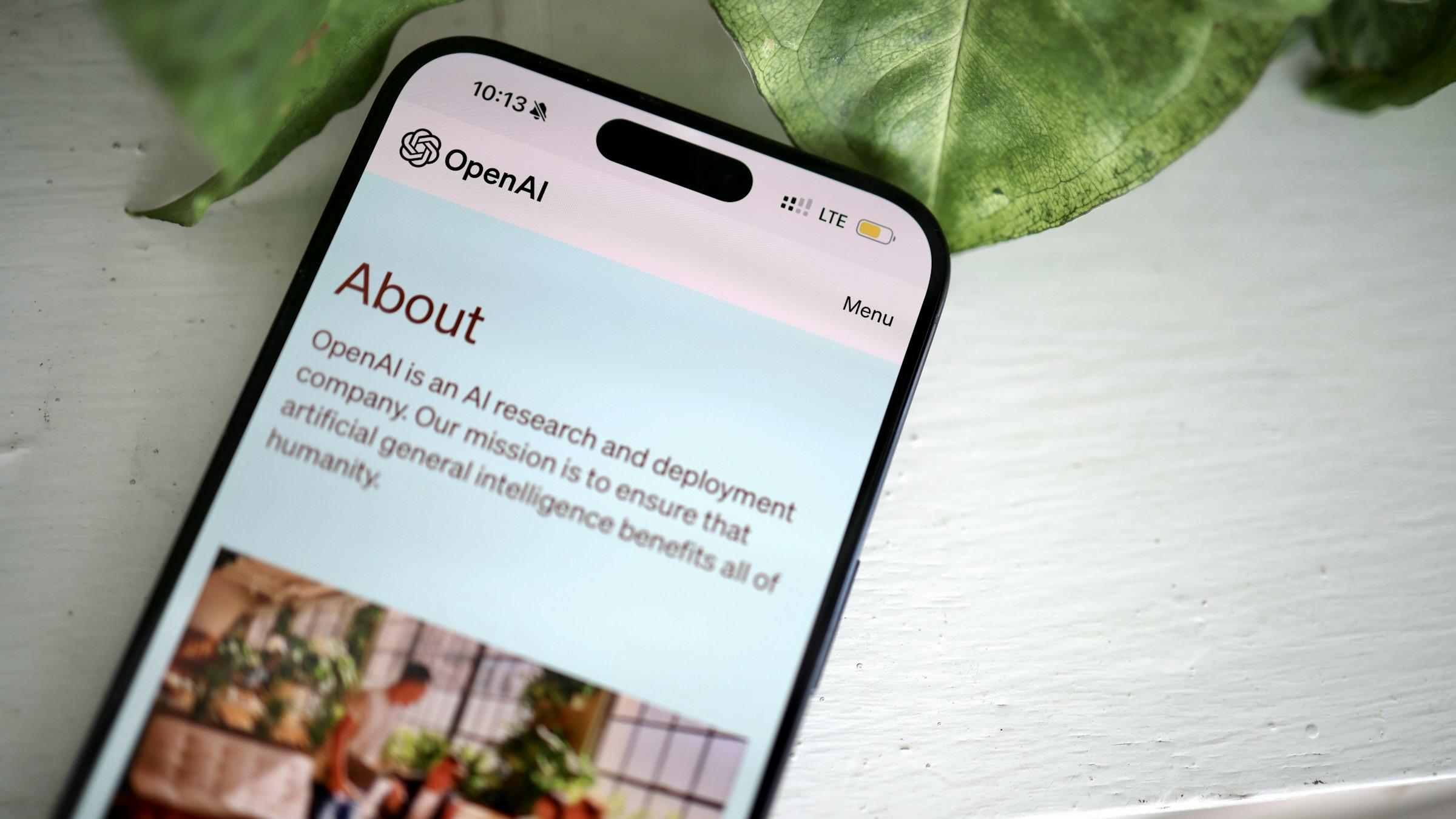
OpenAI CEO Sam Altman has revealed that the company might transition to a for-profit model. This move coincides with Elon Musk's recent dropping of his lawsuit against the AI firm.
OpenAI's Future Path: From Nonprofit to For-Profit
According to a report that was published on Friday by The Information, OpenAI CEO Sam Altman disclosed to a few shareholders that the company is contemplating adapting its governance structure to that of a for-profit organization that is not under the jurisdiction of the nonprofit board of directors.
According to the story, which cited a source who heard the remarks, Altman stated that the board is contemplating a for-profit benefit organization, which is a format that competitors like Anthropic and xAI are embracing.
According to The Information (via Reuters), the negotiations regarding the restructuring are fluid, and Altman and his other directors may finally opt to take a different strategy.
OpenAI's Commitment to Public Benefit
OpenAI issued the following statement in response to questions posed by Reuters regarding the report: "We remain focused on building AI that benefits everyone. The nonprofit is core to our mission and will continue to exist."
Ironically, Elon Musk dropped his lawsuit against ChatGPT developer OpenAI and CEO Sam Altman a few days ago, accusing them of forsaking the startup's initial objective of building artificial intelligence for humanity.
Elon Musk's Allegations and Legal Actions
The Guardian reports that in his lawsuit, Musk alleged that Altman and OpenAI had broken their agreement by turning into a for-profit company that cooperated with Microsoft and withheld its technology from the public.
Both OpenAI and Altman strongly rejected the allegations, claiming that no "founding agreement" existed and providing correspondence that seemed to indicate Musk was in favor of turning the company into a for-profit enterprise.
Also in March, OpenAI and Altman expressed their disappointment that "we're sad that it's come to this with someone whom we've deeply admired" on their blog, basically accusing Musk of professional jealousy.
Legal professionals were skeptical of Musk's lawsuit because they felt several of the assertions made in it, like that OpenAI had developed AI that could compete with human intelligence, did not make sense.
Photo: Solen Feyissa/Unsplash







