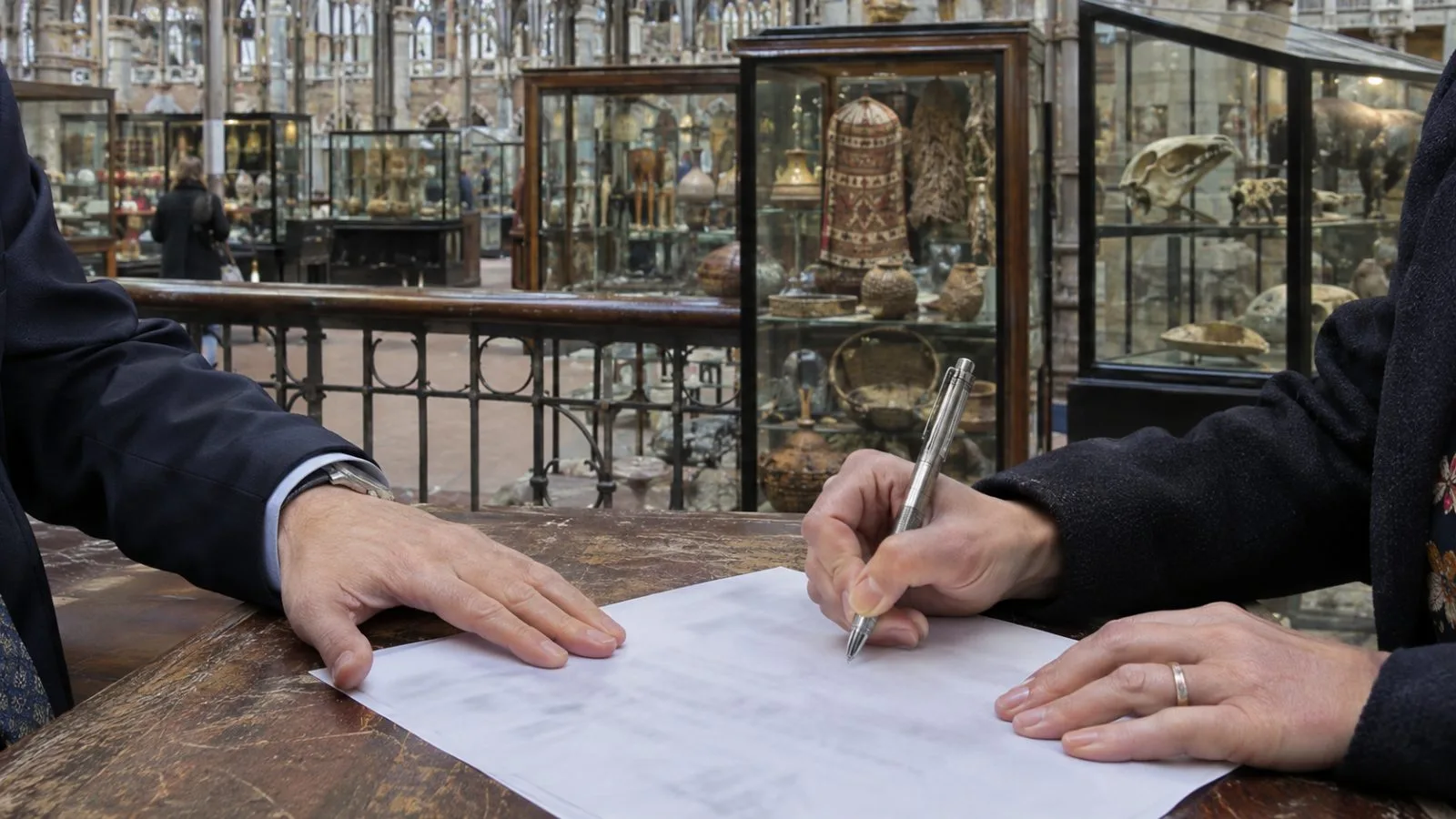
Agence France-Presse reported that Naga community representatives accepted 39 ancestral human remains from Oxford University’s Pitt Rivers Museum on Nov. 9, advancing their effort to reclaim ancestors held in a colonial collection. The handover follows years of work by Naga groups on how the ancestors should return and be cared for.
The University of Oxford Council approved the return on July 13, 2026. The Forum for Naga Reconciliation had requested 40 remains with authorization from Naga tribal councils. Oxford excluded one because it could not establish its Naga provenance.
Most of the remains being returned reached Oxford from about 1910 to 1940 through John Henry Hutton and James Philip Mills, the museum says. Both men were colonial administrators and anthropologists. The museum describes many acquisitions as coercive and says its records show that some remains were seized during punitive military expeditions.
The return effort began in 2020, the year the museum took all human remains off display. The Forum for Naga Reconciliation and its Recover, Restore and Decolonise team worked with Naga communities on research and plans for the ancestors’ care.
In a statement published by the museum, Rev. Dr Ellen Konyak Jamir, coordinator of Recover, Restore and Decolonise, called for “honouring the dead and respecting the living.” Naga organizations have described the return as a matter of dignity and community authority over their ancestors’ care.
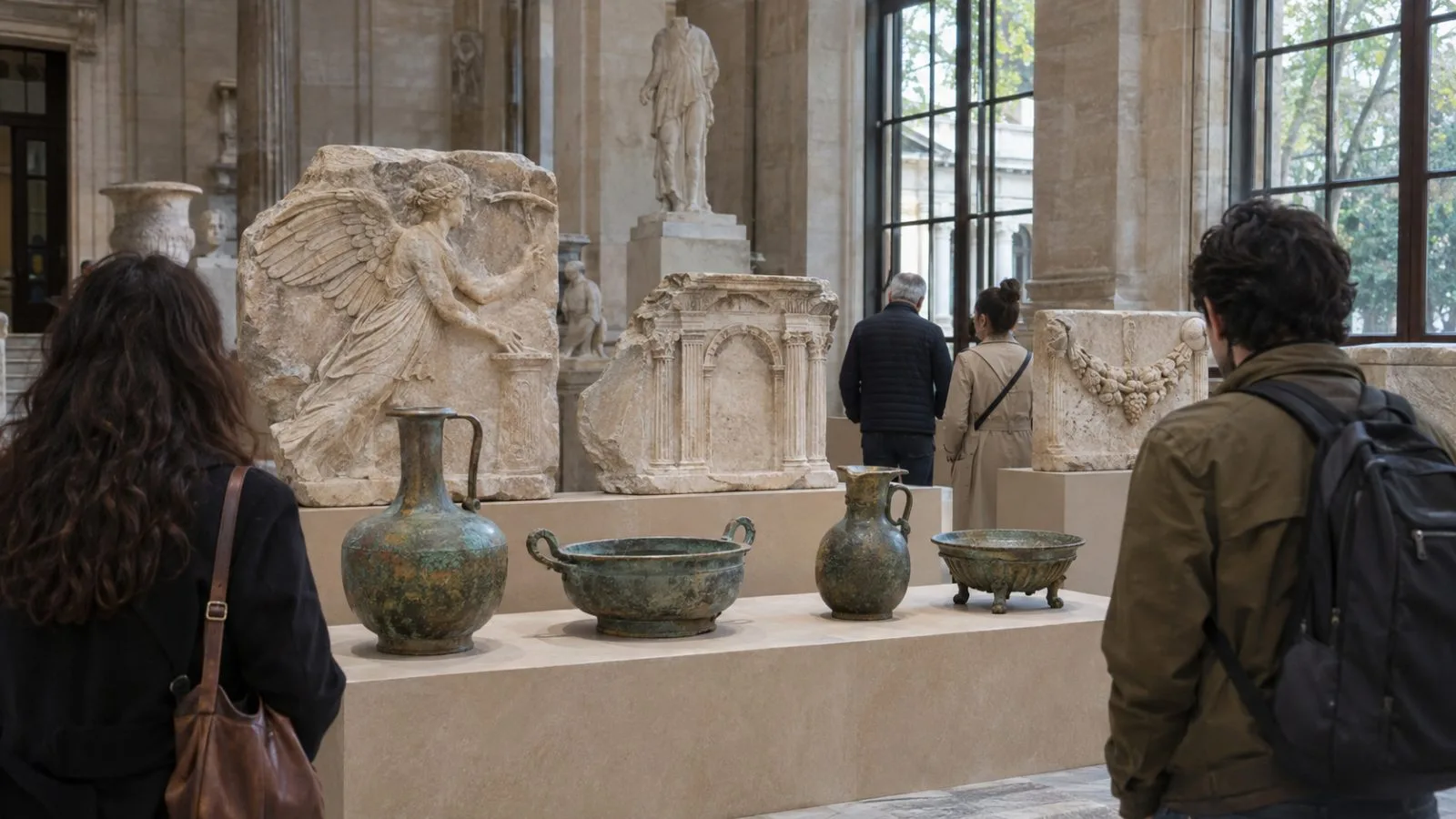
The museum lists about 6,500 Naga objects in its collection, including 898 on display. Those object figures are separate from the 39 ancestral remains approved for return.
Participants from Naga tribes agreed in a June 2025 declaration to establish a shared memorial resting place. The museum says the remains are to arrive in Dimapur, Nagaland.